
To accelerate the commercialisation of innovations in new materials and foster high-quality development in the automotive industry, a seminar on the innovation and application of strategic new materials, jointly organised by Aotecar and the Chebai Innovation Centre, was successfully held in Chuzhou, Anhui, on 12 September.
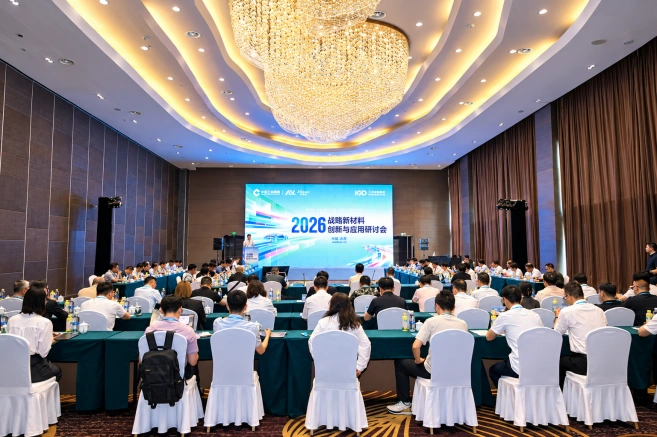
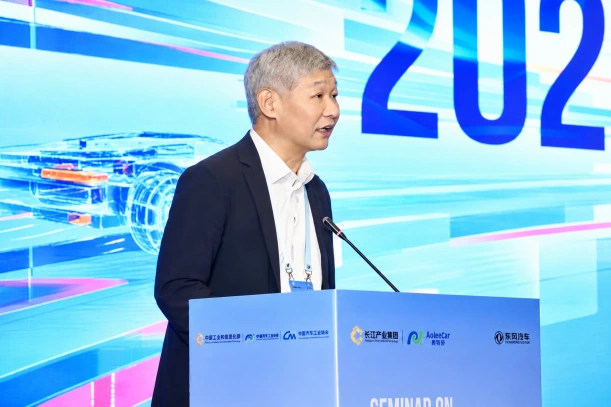
The conference brought together universities such as the University of Science and Technology Beijing, vehicle manufacturers including Chery, BYD, Dongfeng, JAC and Li Auto, materials companies such as Xinyuan Intelligent Manufacturing, Kingfa Science & Technology and Yian Yunhai Technology; representatives from the smart manufacturing sector, including Shanghai TEG High-Tech Materials, Weiyi Intelligent Manufacturing and Estun Automation; as well as heads of certain enterprises within the automotive division of the Yangtze River Industrial Group. With a total of over 90 attendees, the event focused on technological innovation and application scenarios for new materials and processes in the field of thermal management and lightweighting for new energy vehicles. Participants engaged in in-depth discussions on topics such as the role of AI and smart manufacturing in empowering traditional manufacturing, explored new pathways for industrial transformation, and worked to build momentum and drive high-quality development within the automotive industry. Wang Hewu, Director of the Zero-Carbon Transport Research Centre at Tsinghua University’s Carbon Neutrality Research Institute and Chief Expert at Chebai Think Tank, chaired the meeting.
A Quantum Leap in Thermal Management: Unlocking Energy Efficiency Across the Board
The accelerating transformation towards vehicle electrification and intelligent systems is driving the evolution of thermal management towards functional integration, expanded temperature thresholds, minimal energy consumption and enhanced comfort, thereby presenting four key requirements for thermal management component suppliers. Firstly, high-integration design capabilities, consolidating multiple functional modules into a single, highly integrated unit; secondly, the ability to operate efficiently across the full temperature range of –30°C to +60°C; thirdly, systematic weight reduction and innovative material application capabilities, where every 10 kg reduction in weight contributes to an increase in driving range of approximately 3 km to 5 km; and fourthly, high-reliability and high-safety design capabilities, encompassing validation under all operating conditions, including extreme temperature cycling and vibration fatigue.
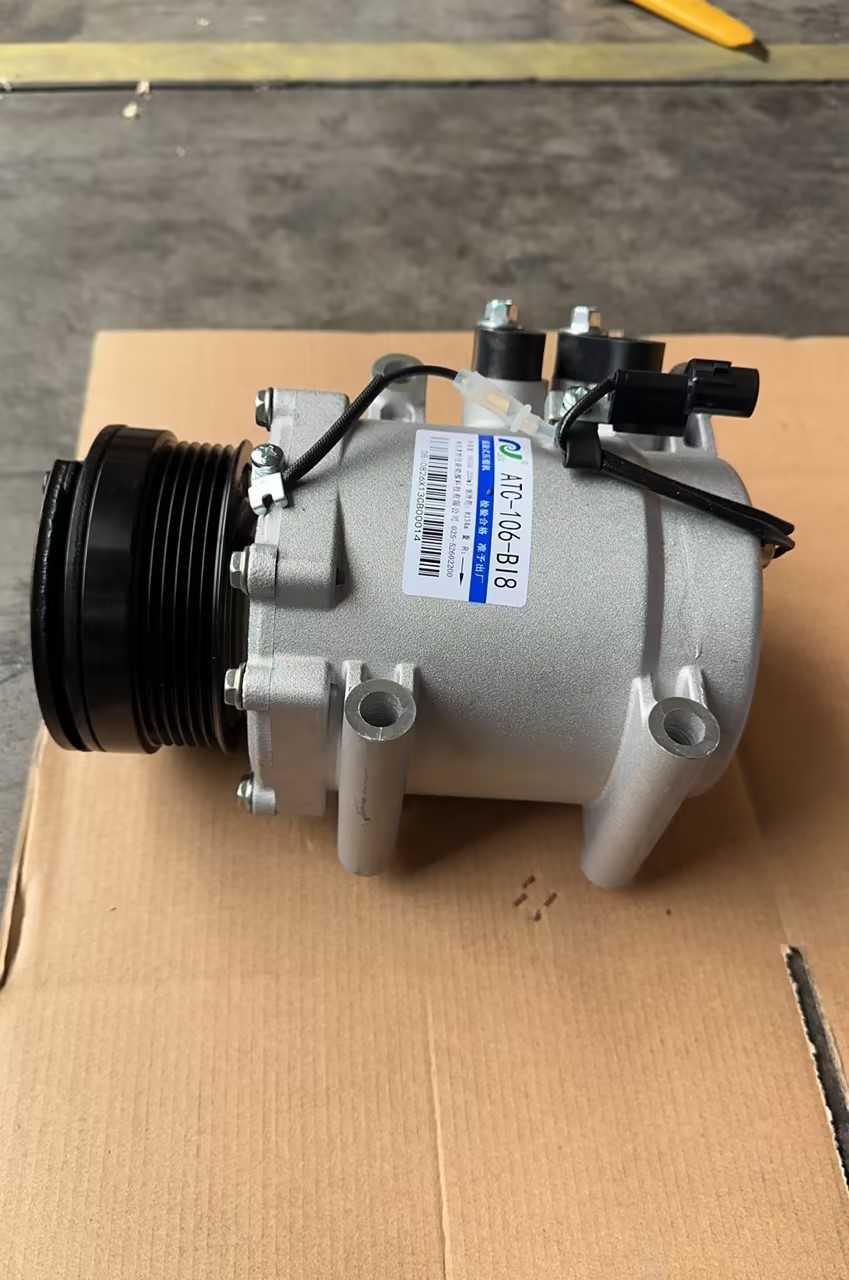
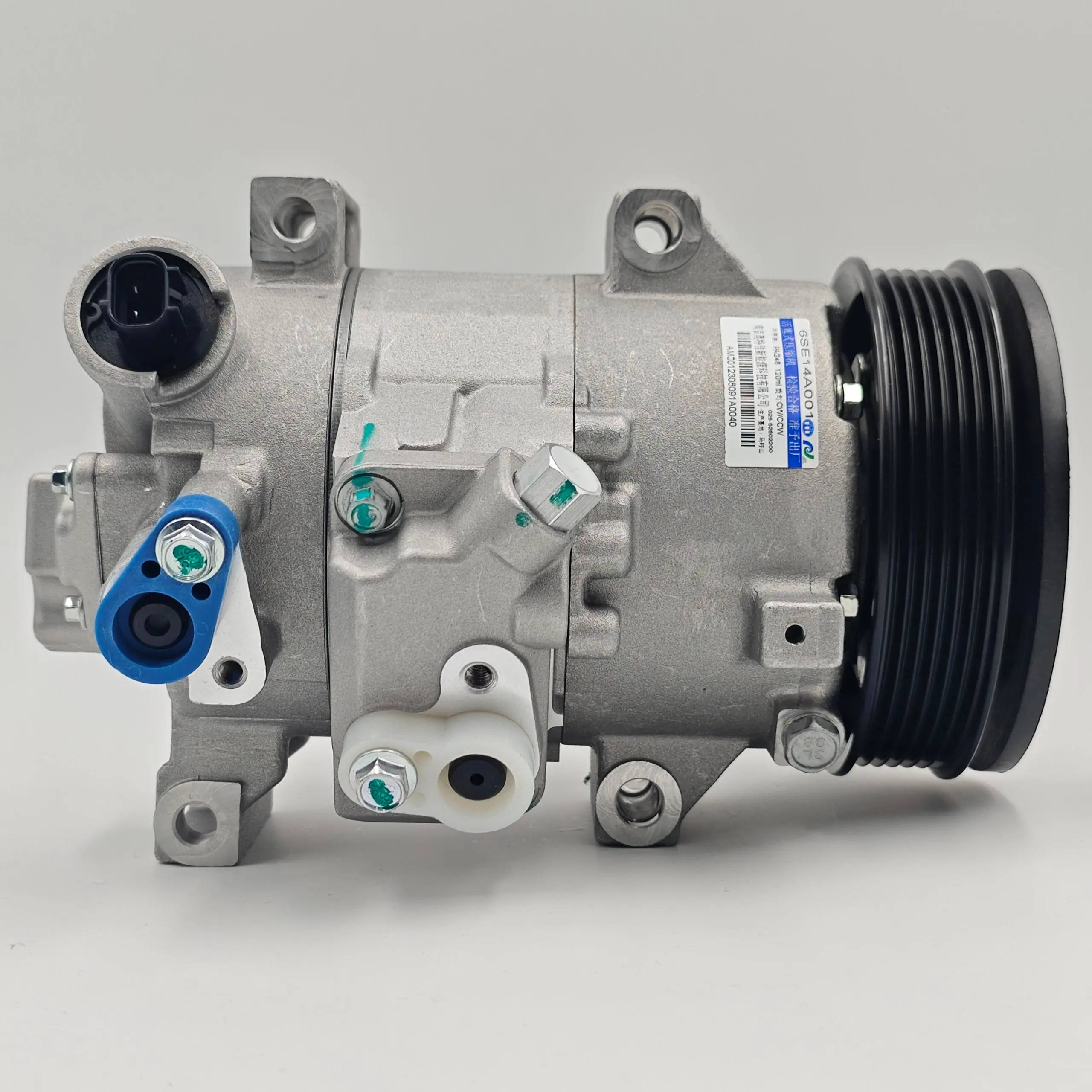
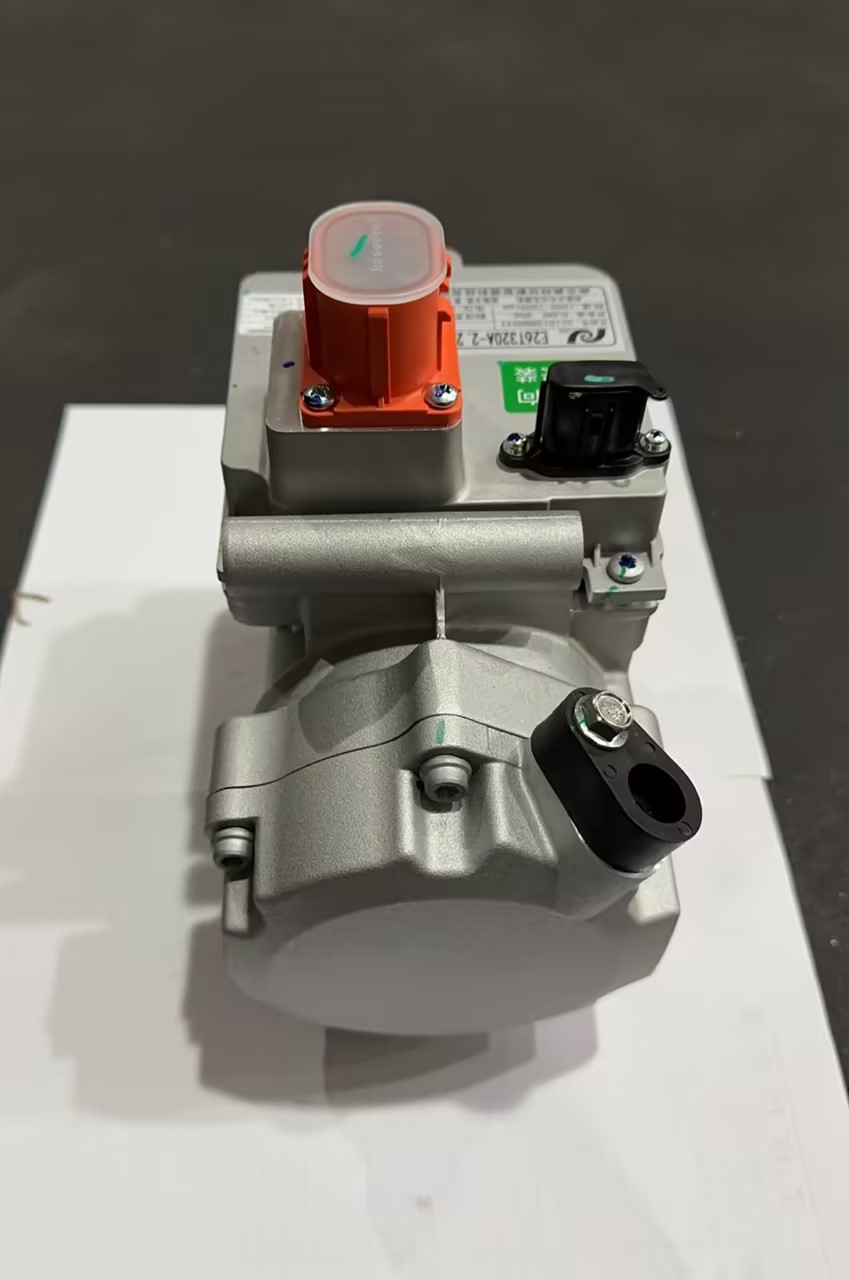
Currently, electric compressors, integrated thermal management modules, electronic water pumps and valves, heat exchangers, expansion valves and refrigerant valves, and air conditioning units have become key areas of innovation. Among these, electric compressors are being upgraded towards wider temperature ranges, 1,000 V high voltage, and integrated HVH systems, whilst integrated modules are evolving towards miniaturisation, high-pressure vacuum die-casting, monoblock die-casting, and laser welding.
A Lightweight Makeover: Materials Reshape the Landscape
Trends in automotive safety, comfort, lightweight design and smart technology are placing ever-higher demands on vehicle weight reduction. With the rapid adoption of smart features such as zero-gravity seats, occupant recognition and health monitoring, the integration rate of smart seats has increased by approximately 20–25 per cent; the rise in functional components has created pressure to reduce the vehicle’s overall weight. As the interior trim and functional components account for approximately 50 per cent of the vehicle’s total cost, this area has become the main focus for weight reduction and performance optimisation. In the field of thermal management, weight reduction can also be achieved through the substitution of new materials in components such as electric compressor housings and moving and stationary scroll discs.
Participants at the conference indicated that future weight reduction will focus on in-depth weight reduction through multi-material hybridisation and process innovation. By combining materials such as magnesium alloys, aluminium alloys, advanced steels and carbon fibre-reinforced composites, and combining this with structural topology optimisation and process innovation, the industry aims to achieve a shift from ‘component weight reduction’ to ‘system weight reduction’ through modular construction, functional integration, multi-material joining, simulation and recycling.
Empowering Smart Manufacturing: Forging a New Competitive Edge
Smart manufacturing is a key enabler for the automotive industry’s transition from ‘experience-driven’ lean manufacturing to a model driven by ‘data and closed-loop execution’. Competition within the automotive sector is a comprehensive contest of manufacturing management quality, operational efficiency and collaborative capabilities. Building a new digital system centred on artificial intelligence, integrating data elements across the entire supply chain, and forming a closed-loop manufacturing cycle comprising perception, analysis, decision-making, execution and iteration is the core pathway to reshaping lean manufacturing capabilities.
With regard to the implementation of artificial intelligence on the manufacturing floor, participants suggested adopting a ‘start small, move fast’ approach, prioritising solutions with clear return-on-investment models—such as AI visual inspection, process parameter optimisation, flexible production scheduling and predictive maintenance—to address actual pain points on production lines, before gradually evolving towards digital factories and end-to-end collaboration.
Collaborative Fusion: Reshaping Industrial Relations
As the complexity of automotive thermal management architectures continues to evolve and the large-scale application of new materials becomes increasingly complex, thermal management systems have become a key application scenario for joint definition. Industrial collaboration models are evolving from traditional buyer-seller relationships towards models of joint definition and co-creation of technology, characterised by early-stage involvement. Vehicle manufacturers and component suppliers should establish channels for the exchange of business data and, drawing on real-world business data throughout the entire process, achieve autonomous collaboration in areas such as the traceability and diagnosis of quality issues, closed-loop fault resolution and smart contract claims, thereby jointly building a stable and reliable supply chain quality control system.
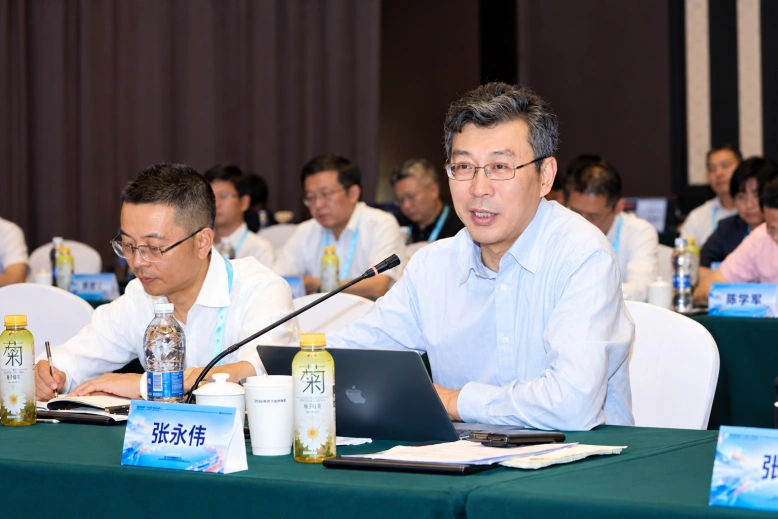
Zhang Yongwei, Chairman of the Chebaihui Research Institute, stated that China’s automotive industry has now moved beyond the stage of development driven by scale expansion and has entered a new cycle centred on competition within the existing market and improving quality and efficiency. Comprehensive and in-depth innovation is the key pillar for the industry’s development in the next phase and for building China into a leading automotive nation. Innovation at this stage requires the establishment of a two-tier innovation system comprising ‘improvements in end-product quality’ and ‘breakthroughs in foundational technologies’: on the one hand, product innovation geared towards the end market, where high-quality, high-end product iterations precisely meet market demands and enhance core competitiveness at the end-user level; on the other hand, foundational innovation rooted in the industry’s origins will bring materials and smart manufacturing from behind-the-scenes support to the forefront, focusing on breakthroughs in key automotive materials such as magnesium alloys and polymers, as well as advanced manufacturing processes. This will harness the ‘cascade effect’ of innovations in individual materials and manufacturing technologies to drive the industry from passively responding to demand towards creating and leading new demand, thereby reshaping the industry’s innovation and collaboration dynamics.
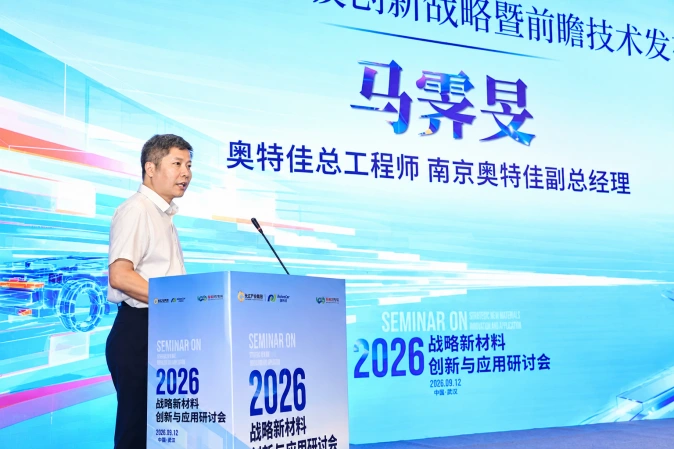
At the conference, Aotecar unveiled its science and technology innovation strategy and presented its cutting-edge technological achievements, outlining plans to achieve key breakthroughs in five core technological areas: high-voltage platforms, lightweighting, NVH optimisation, low-speed performance optimisation, and R290 development.
Looking ahead, Aotecar will use this conference as an opportunity to build upon its Strategic New Materials Innovation and Application Platform, delving deeper into core technological areas such as high-voltage platforms and lightweighting. By collaborating with partners across the supply chain, the company aims to accelerate the implementation of innovative new materials in end products—including complete vehicles and robots—thereby continuing to contribute to the high-quality development of the automotive industry.