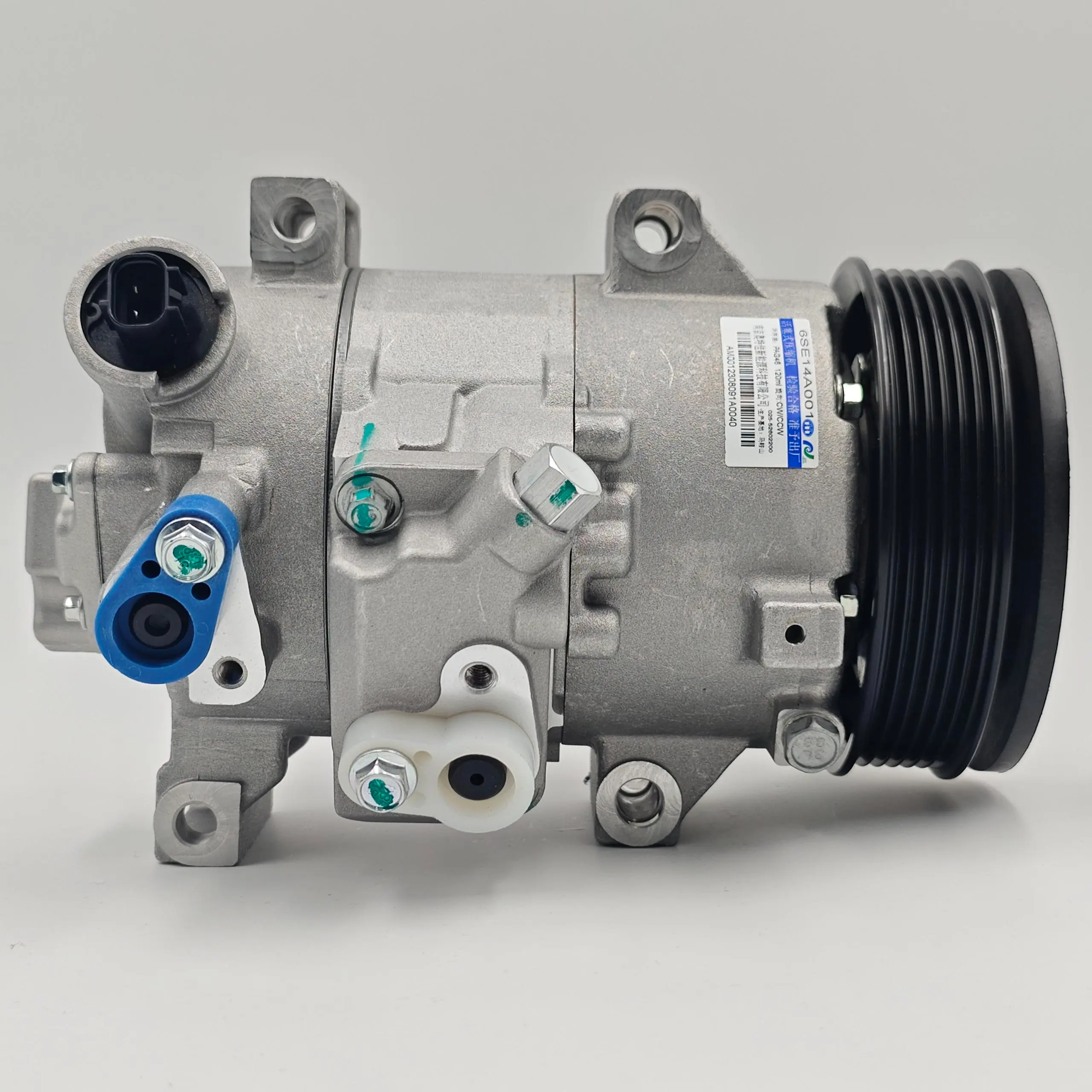
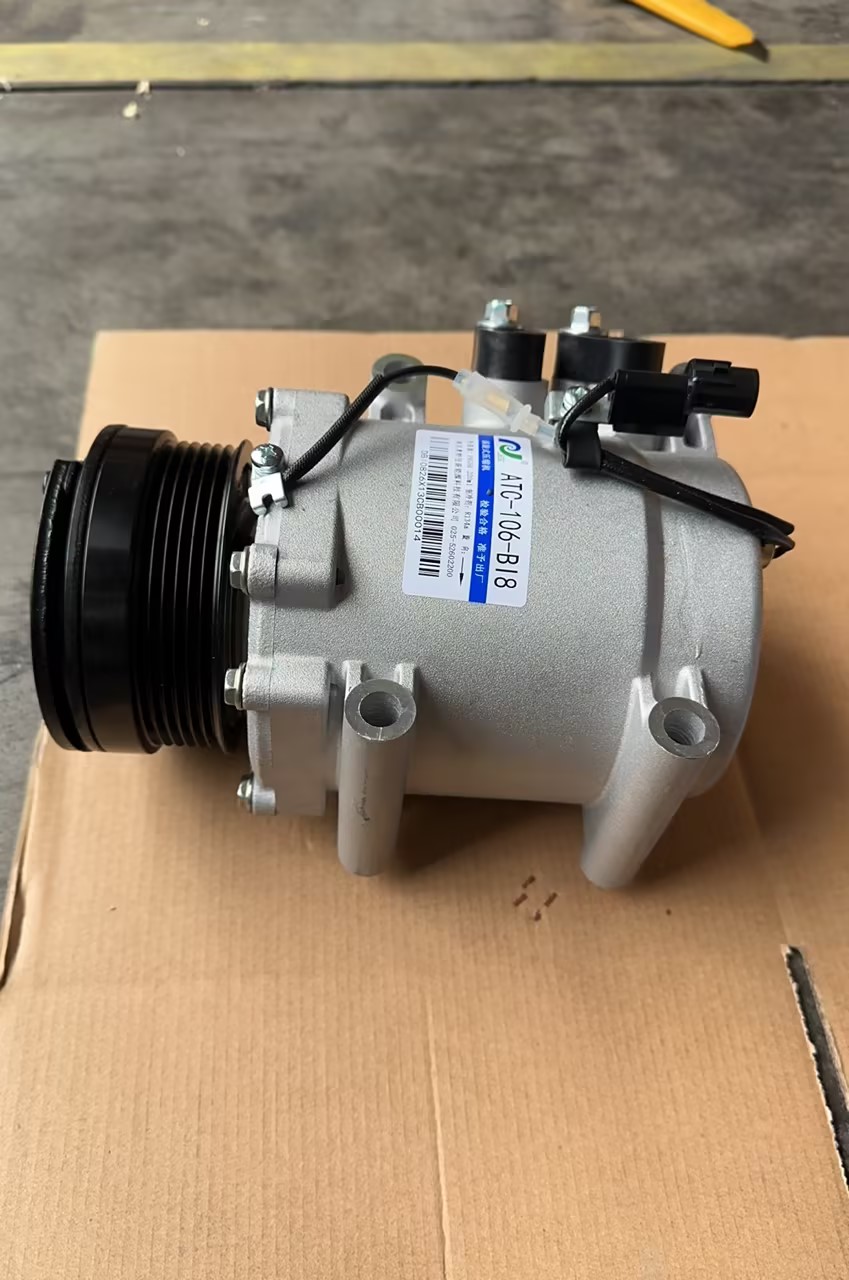
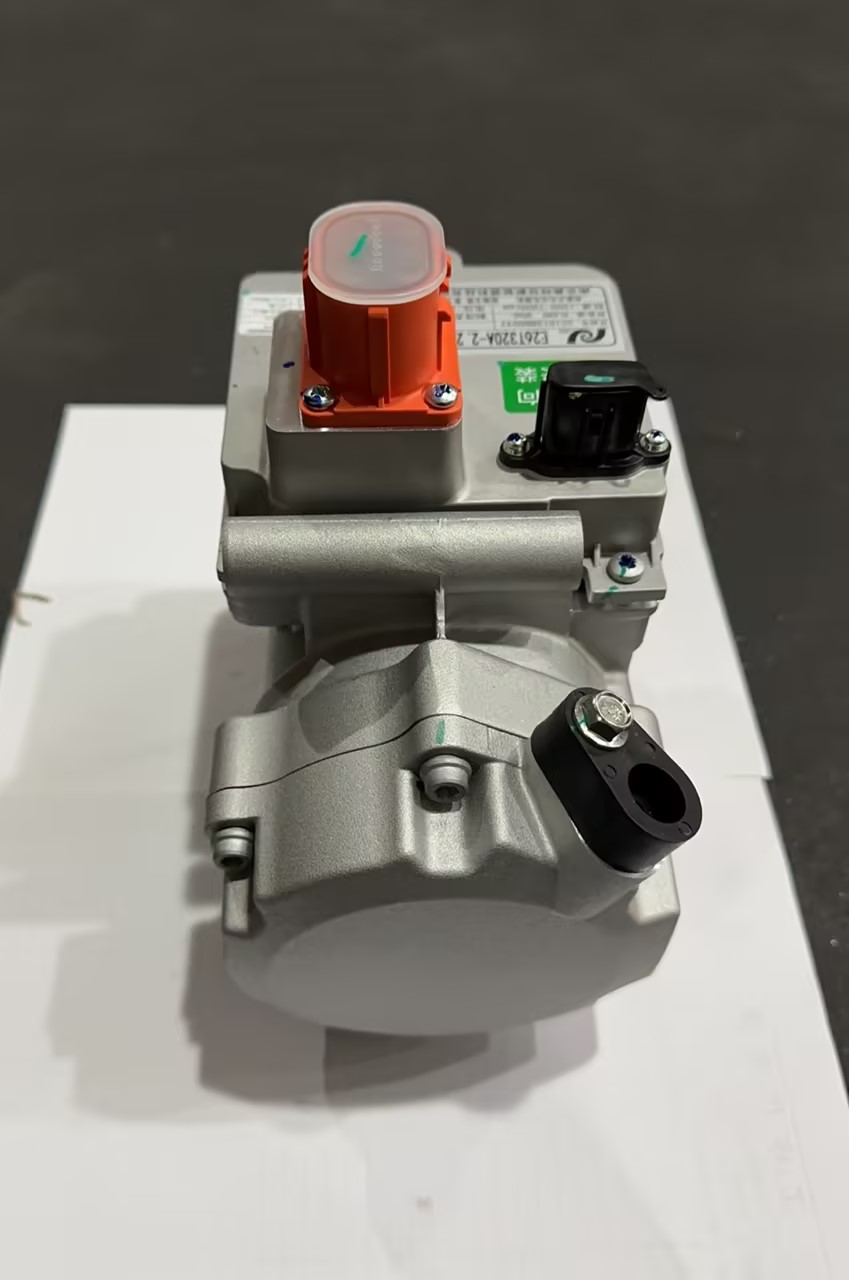
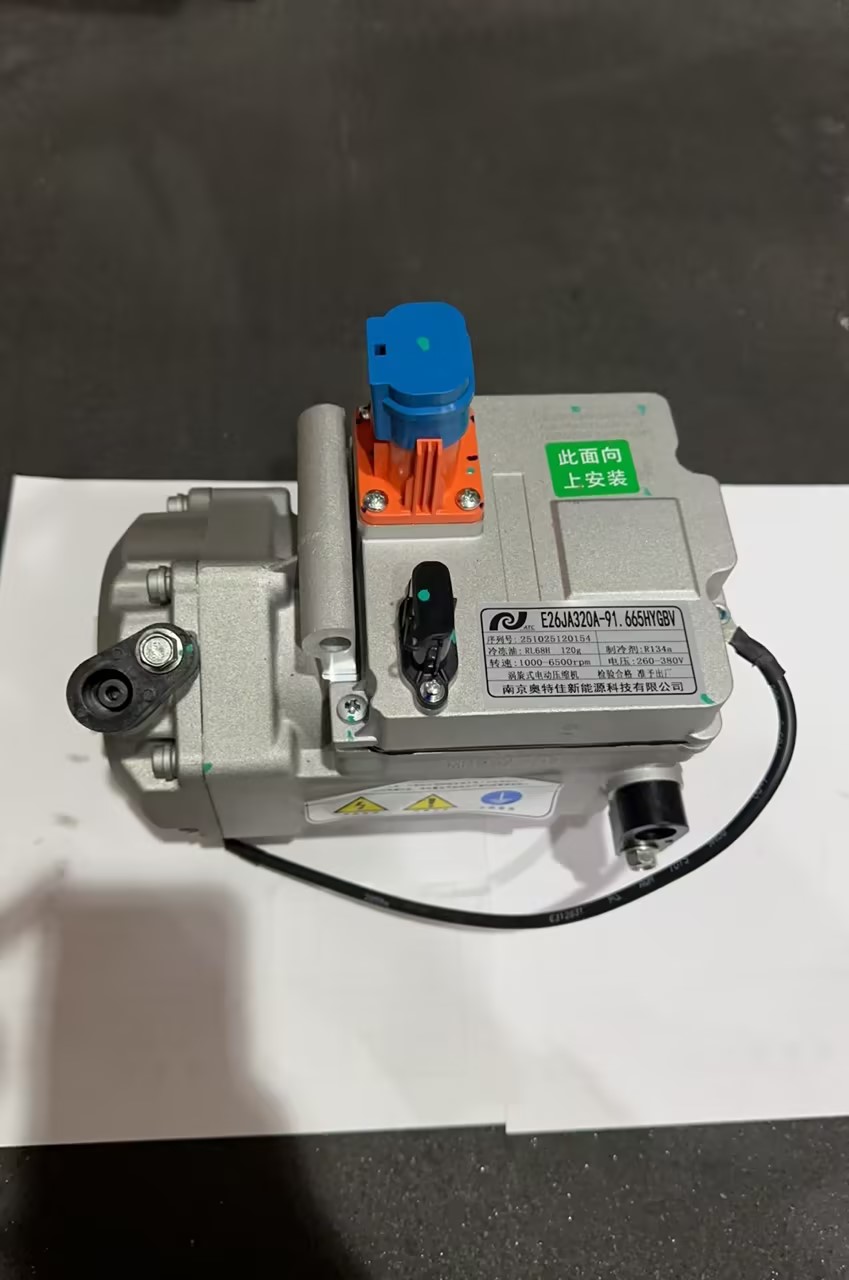
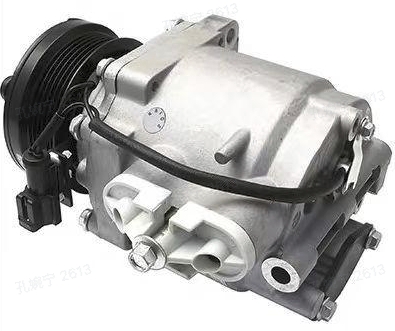
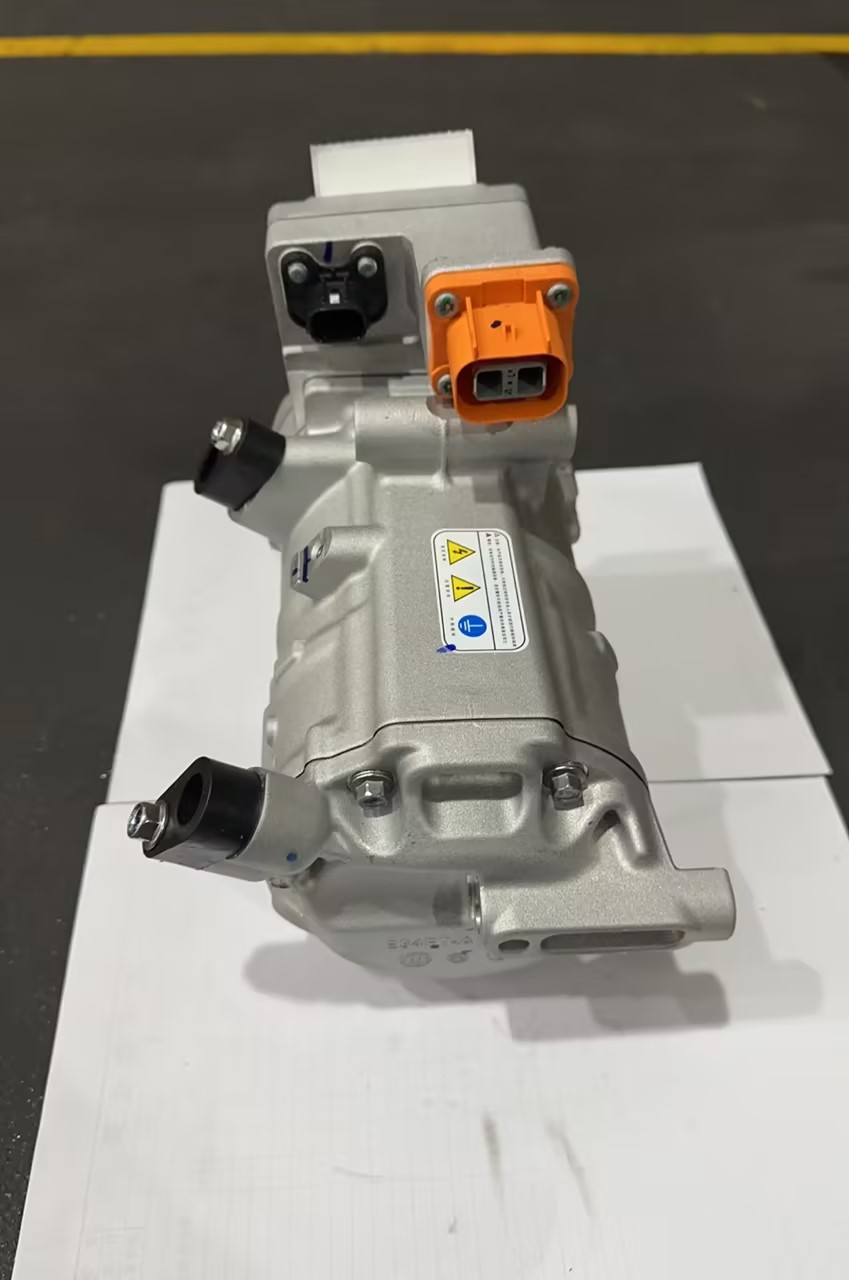
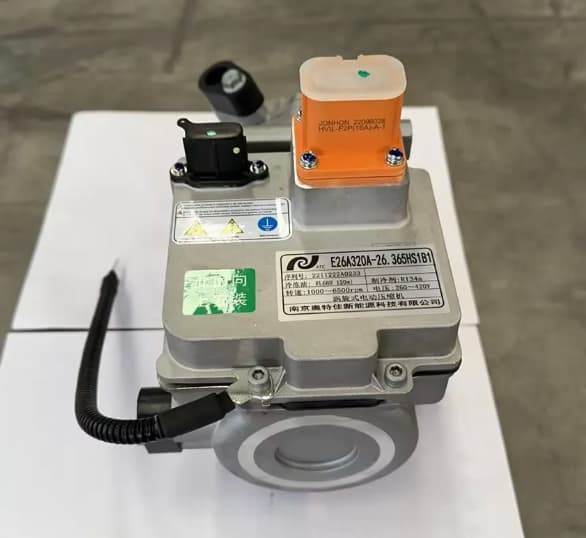
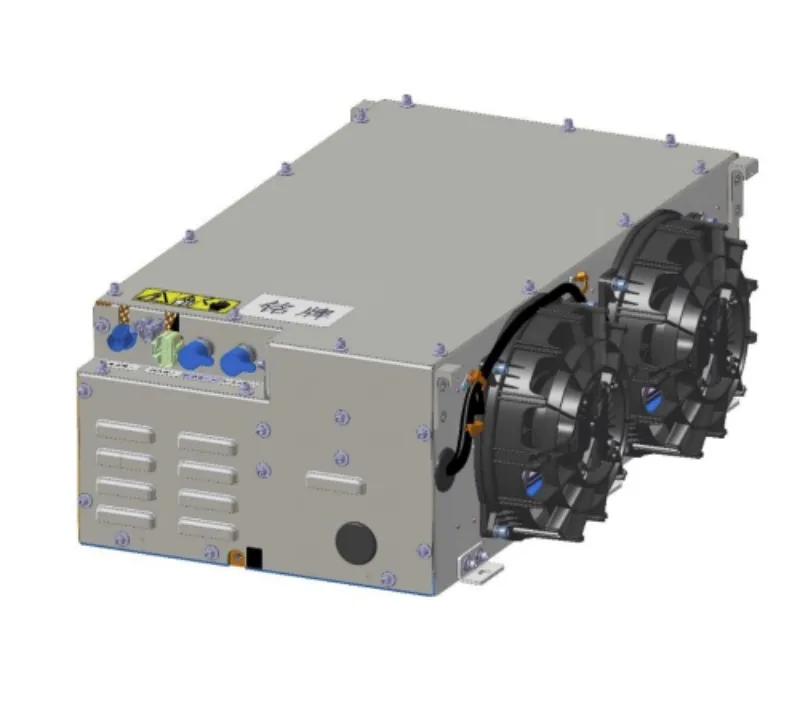
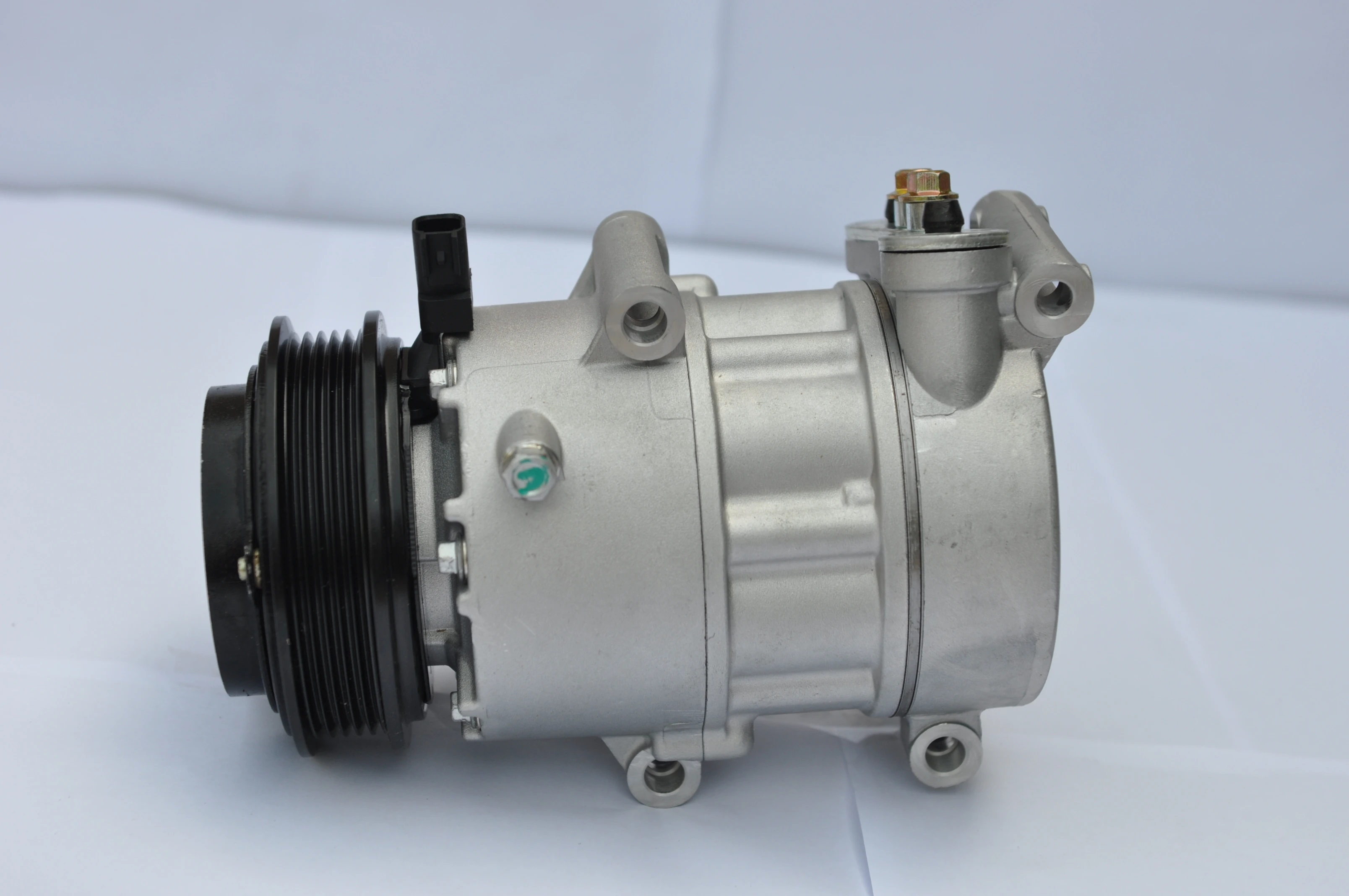
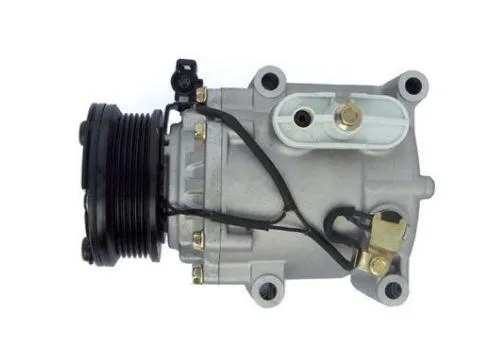
Discover who makes the best automotive AC compressors by comparing leading manufacturers, compressor types, durability, cooling performance, compatibility, and reliability to identify the right option for different vehicle applications.
Explore what energy storage is and how it works by understanding different storage technologies, energy conversion processes, and their role in balancing power supply, supporting renewable energy, and improving grid reliability.
Learn how an automotive AC system works by exploring the roles of compressors, condensers, evaporators, refrigerants, and other components in the cooling cycle that keeps vehicles comfortable and efficient.
The better choice between a gas and electric compressor depends on the application, as gas compressors offer greater mobility and power for remote locations, while electric compressors provide quieter, cleaner, and more efficient operation for indoor and stationary use.
Compare piston and rotary compressors by exploring their working principles, efficiency, noise levels, maintenance requirements, and ideal applications to determine which type best suits your HVAC, refrigeration, or industrial needs.
Learn how a scroll compressor works through its unique orbiting and fixed scroll mechanism, which compresses refrigerant efficiently to provide quiet, reliable, and energy-saving performance in HVAC, refrigeration, and industrial applications.