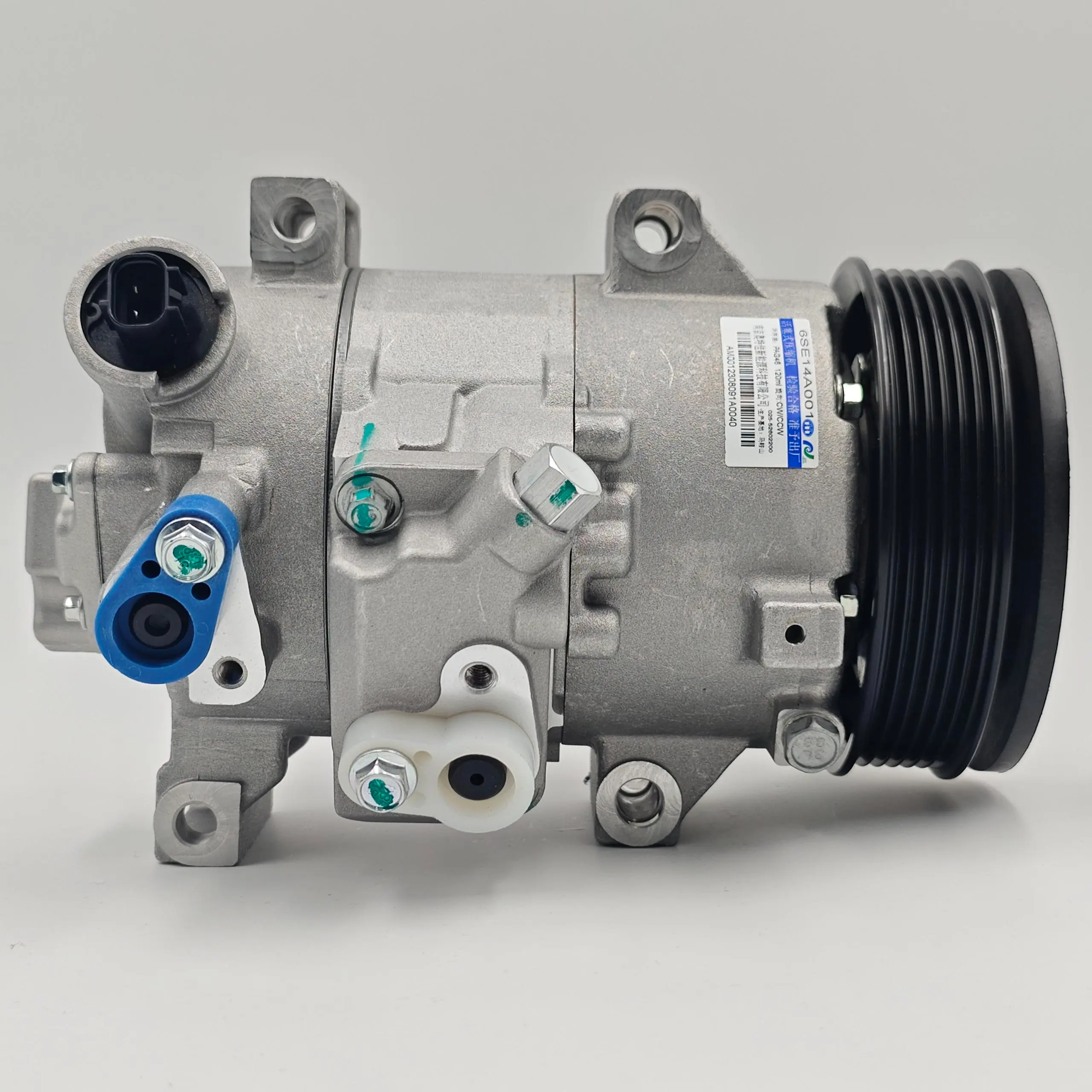
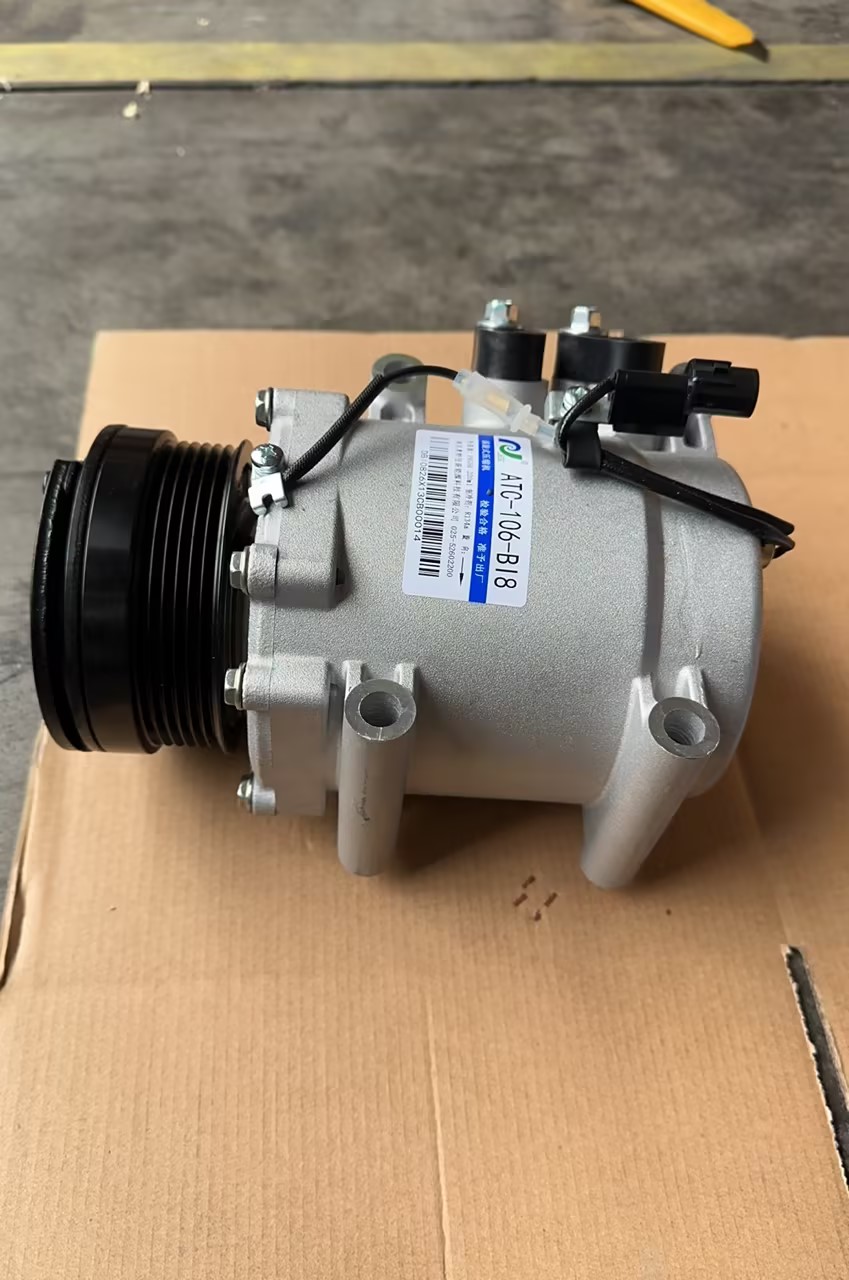
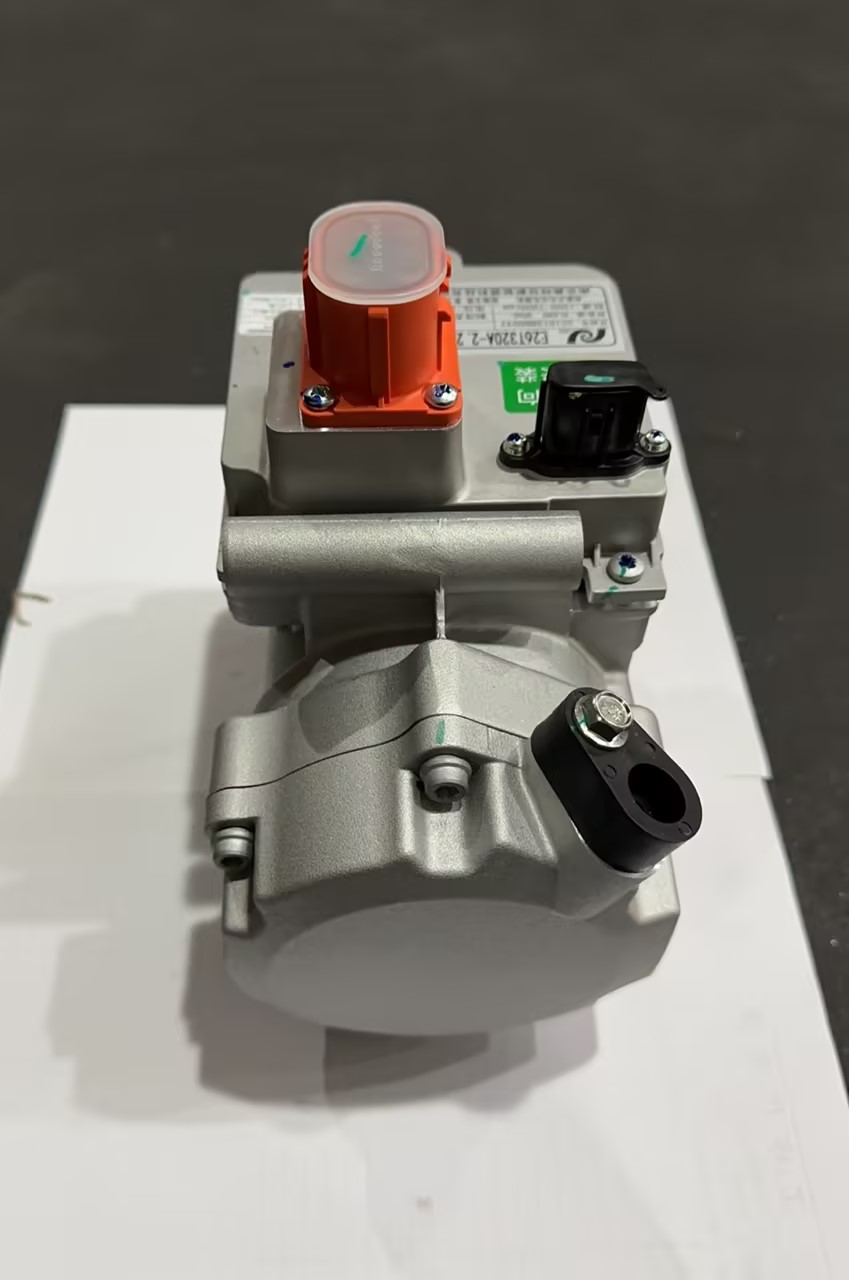
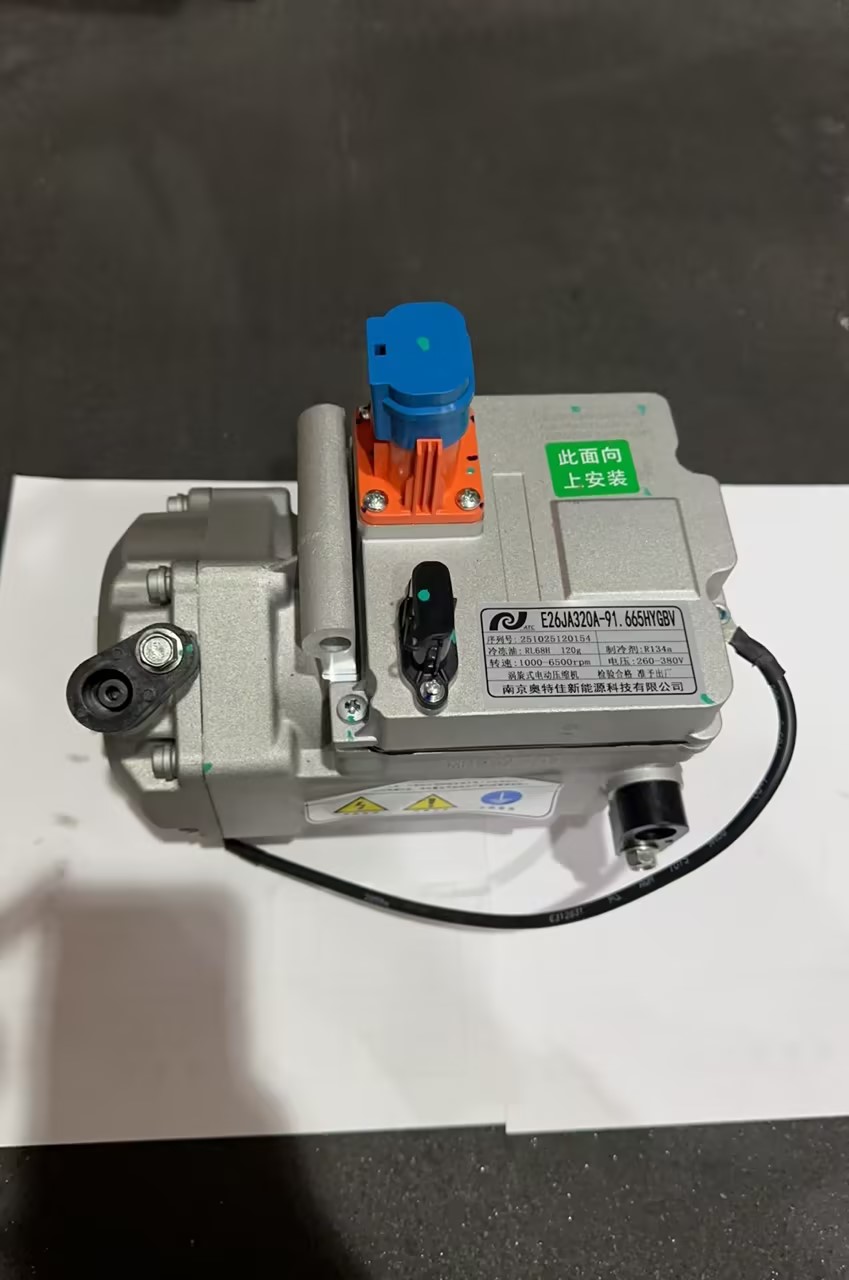
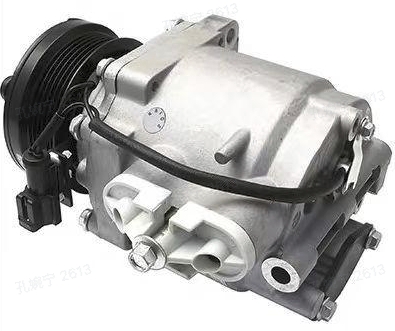
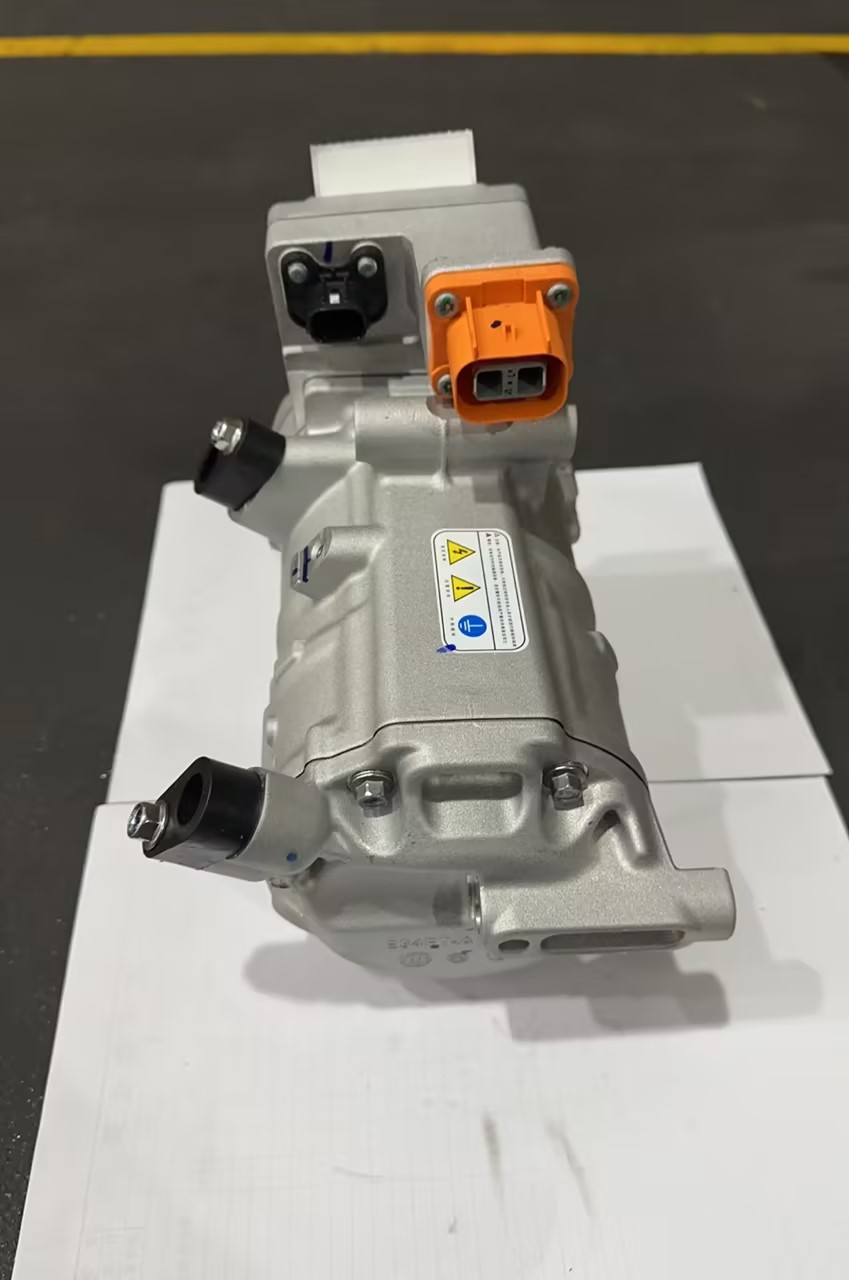
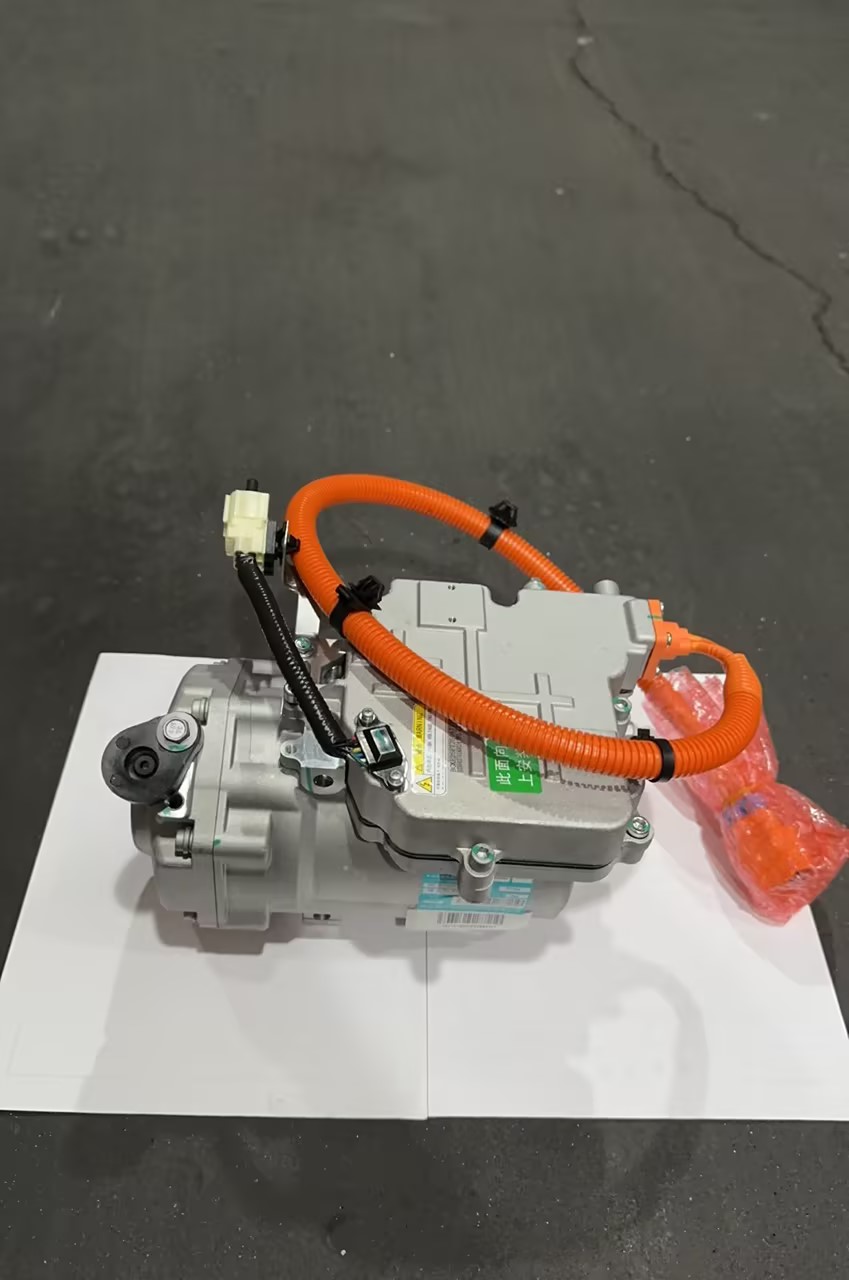
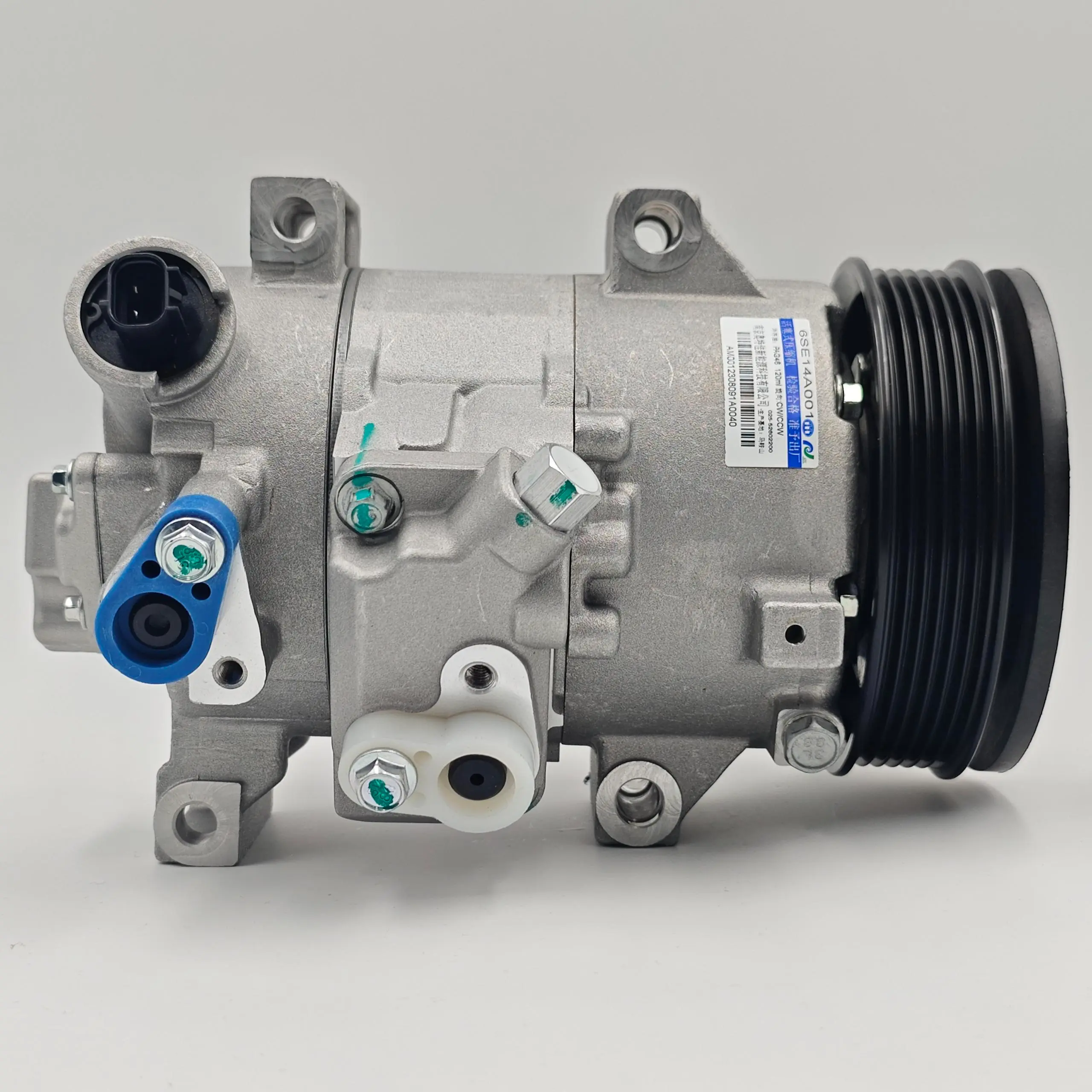
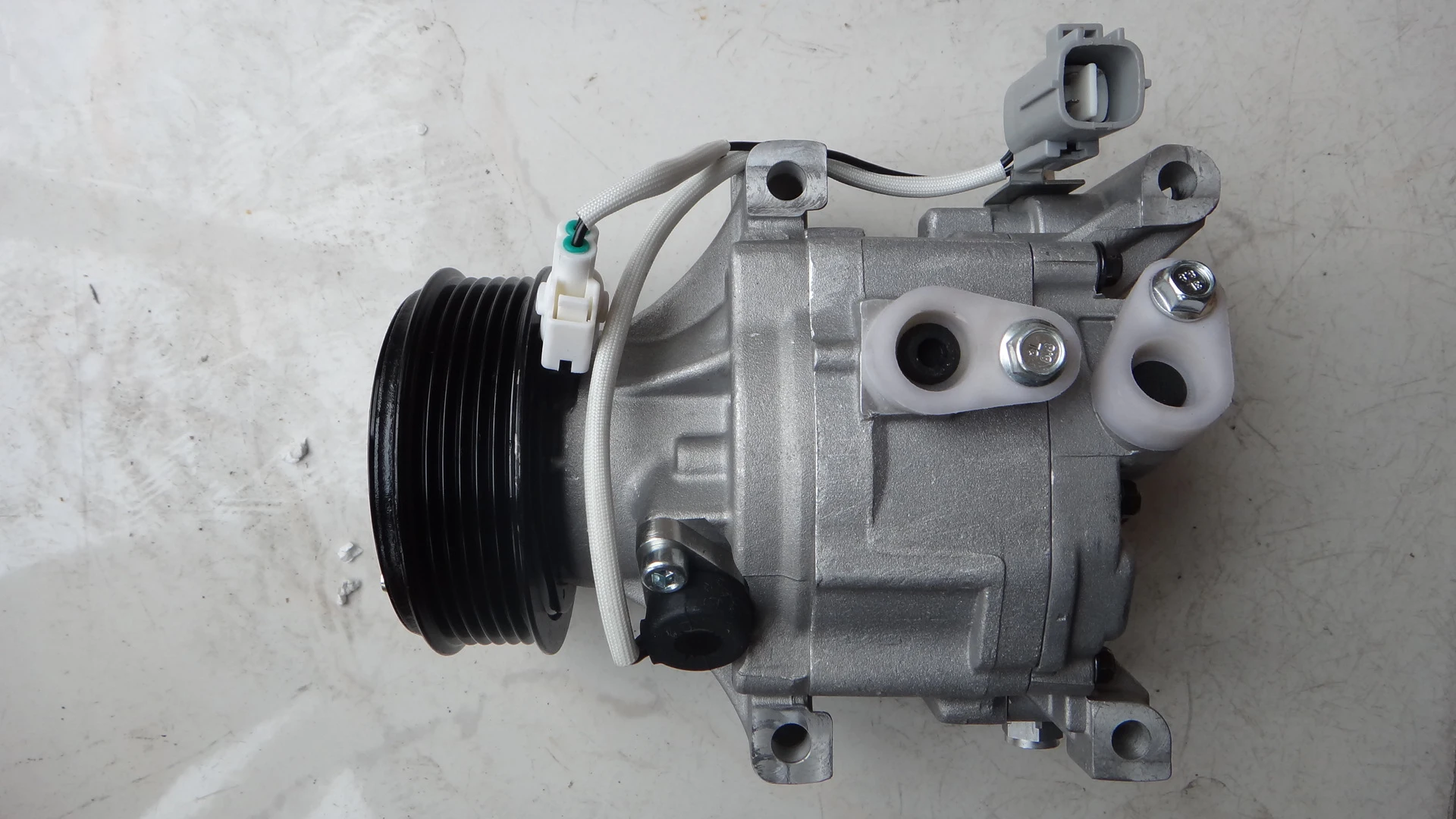
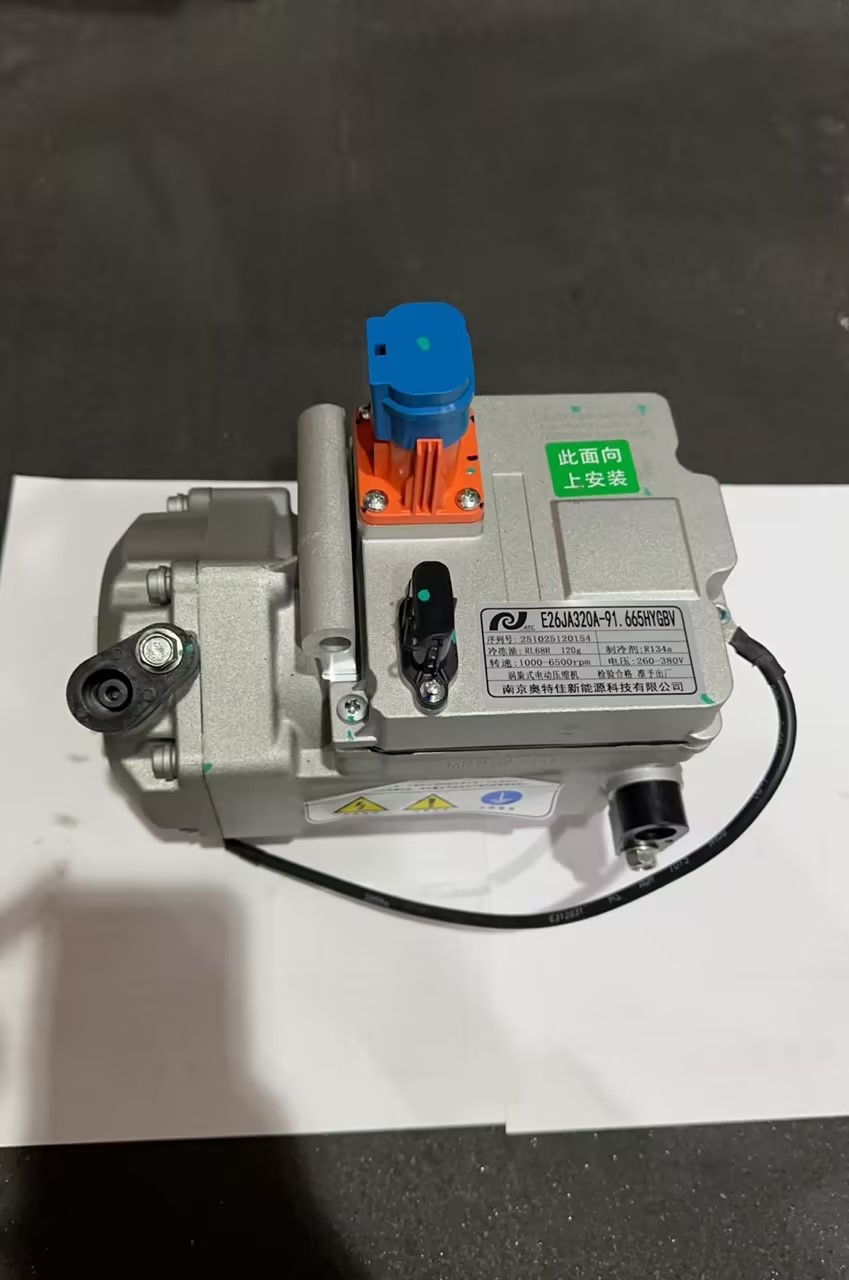
Explore the different types of electric compressors, including rotary, scroll, piston, and other designs, to understand their working principles, advantages, and applications in HVAC, refrigeration, automotive, and industrial systems.
Compare piston compressors and screw compressors in terms of working principle, efficiency, maintenance, cost, and industrial applications. Learn which compressor is the best choice for your business.
Compare rotary and scroll compressors in terms of efficiency, noise level, durability, and application suitability to determine which technology delivers better performance for HVAC and refrigeration systems.
Learn how to test an automotive AC compressor by checking clutch engagement, system pressure, electrical signals, and cooling performance to diagnose faults and ensure efficient air conditioning operation.
An energy storage system captures electricity from sources like the grid or renewables, stores it in batteries or other mediums, and releases it when needed to balance supply and demand, improve efficiency, and ensure reliable power availability.
The two types of automotive AC systems are manual (or conventional) systems—where the driver controls temperature, fan speed, and airflow manually—and automatic (or climate control) systems, which use sensors and electronic controls to maintain a set cabin temperature automatically.