
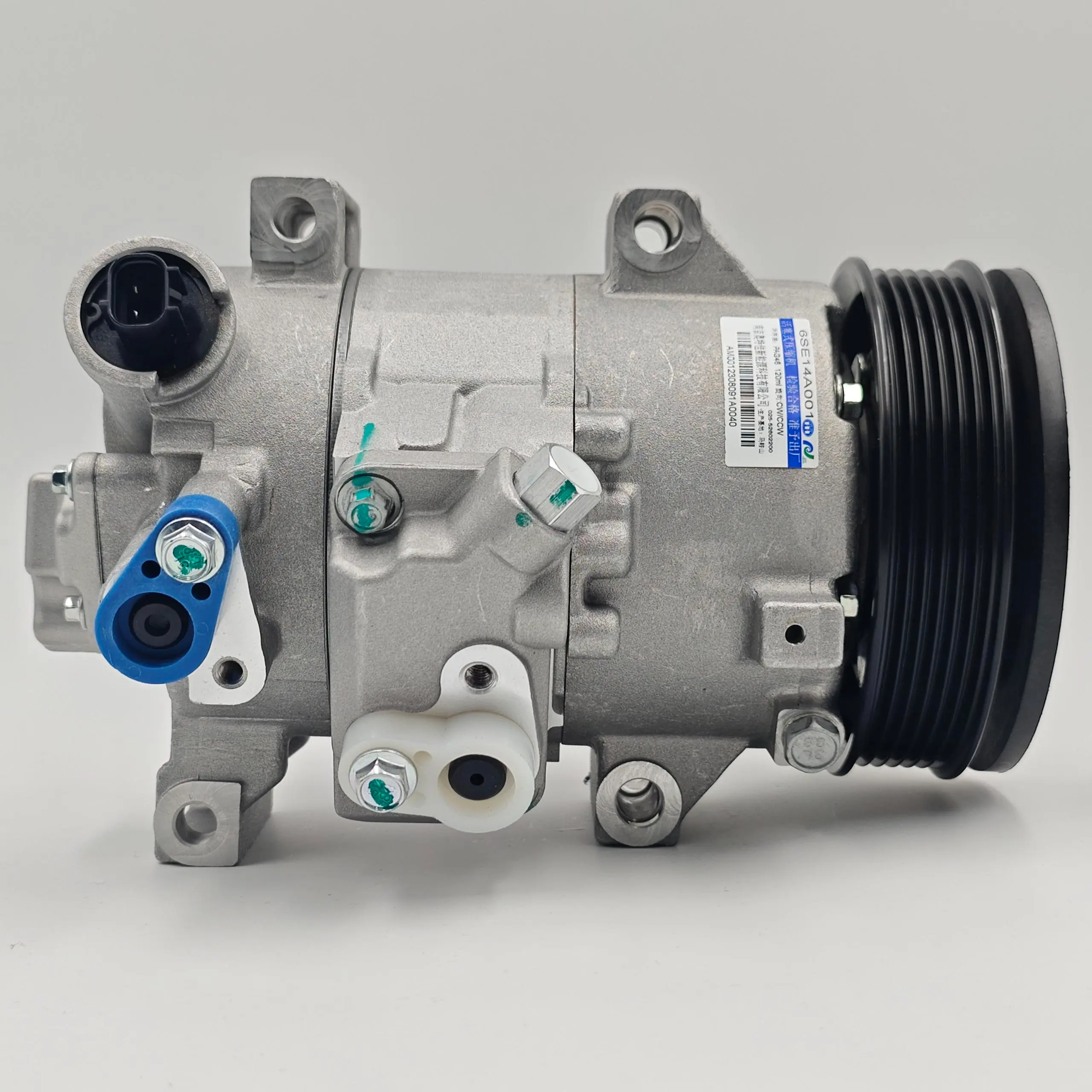
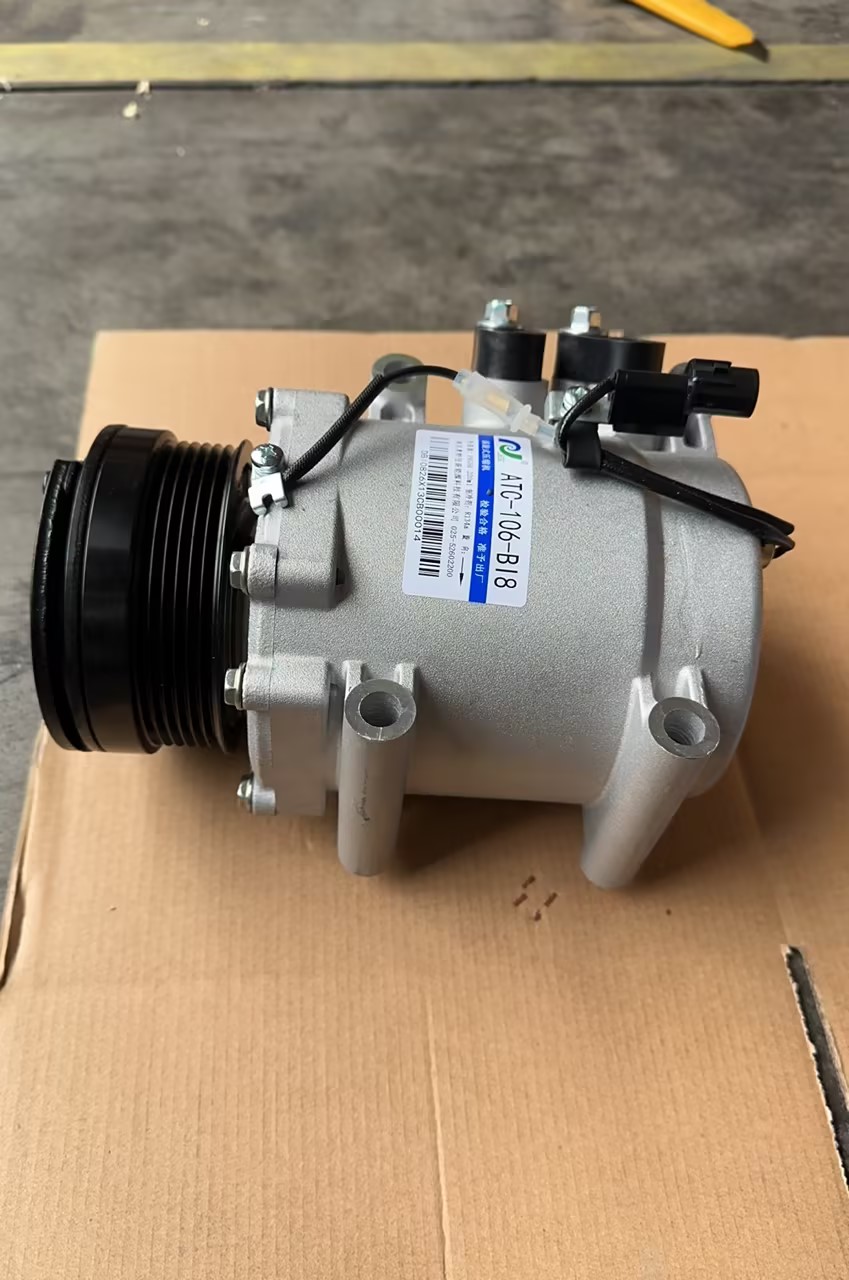
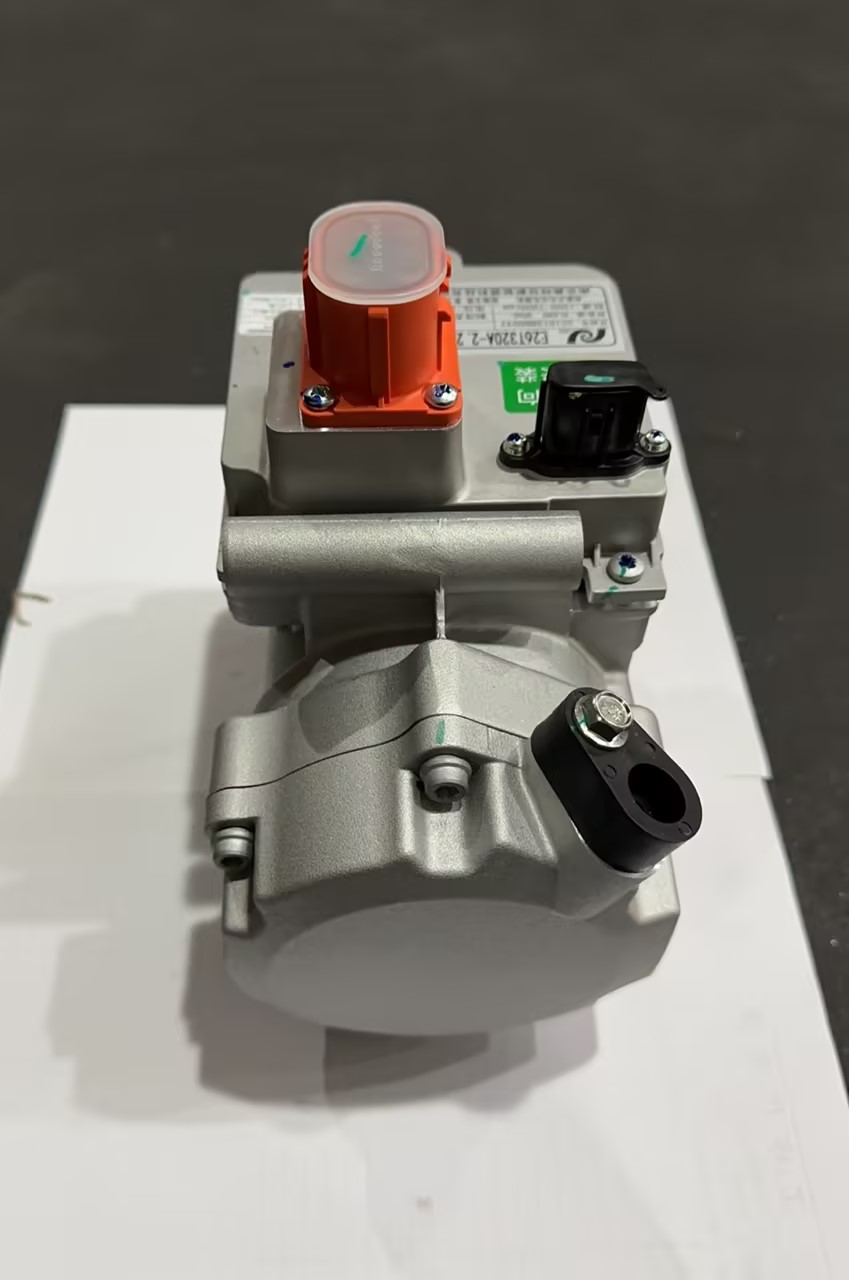
A scroll compressor typically has a lifespan of around 10–20 years in properly designed and maintained HVAC, heat pump, and refrigeration systems. However, the actual service life depends heavily on operating conditions rather than age alone. ASHRAE estimates the life expectancy of a compressor at around 10 years in a single building system, while Danfoss highlights that frequent cycling, high ambient start-up temperatures, low superheat, high condensing temperatures, and poor oil return can all significantly reduce compressor lifespan.
What Is the Typical Lifespan of a Scroll Compressor?
When planning the use of practical equipment, a working range of 10–20 years is reasonable for a scroll compressor, but this should never be interpreted as a fixed replacement schedule. A compressor operating in a clean, correctly sized residential heat pump system can remain reliable for well over a decade. However, a unit exposed to high condensing temperatures, repeated short cycling, liquid floodback, inadequate lubrication, contaminated refrigerant, or an unstable electrical supply can fail much earlier.
This wide range is because compressor life is determined by the number and severity of operating stresses, rather than simply by calendar years. For example, two scroll compressors installed on the same day could have completely different service lives if one operates steadily within its application envelope, while the other repeatedly starts against difficult conditions, experiences poor oil return, or runs at excessive discharge temperatures. Danfoss explicitly identifies frequent on/off cycling, high ambient startup, defrost operation, low superheat, high ambient conditions, and oil return at part load as factors that can severely affect compressor lifetime.
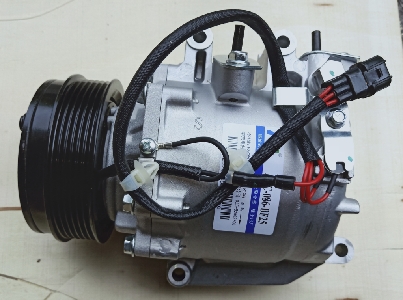
ASHRAE’s compressor guidance helps to explain why scroll technology can achieve a long service life when applied correctly. A scroll compressor is an orbital-motion positive-displacement machine that uses two intermeshing spiral elements, and it contains relatively few major moving components compared to many traditional compressor architectures. However, the scroll elements require close manufacturing tolerances and carefully controlled operating conditions, so mechanical simplicity does not eliminate the need for correct system design.
For equipment owners, therefore, the better question is not simply “How many years will my scroll compressor last?” but rather “What conditions determine whether my scroll compressor reaches the upper or lower end of its expected life?” That distinction is much more useful when planning maintenance, replacement, and total cost of ownership.
Why Can a Scroll Compressor Last for 10–20 Years?
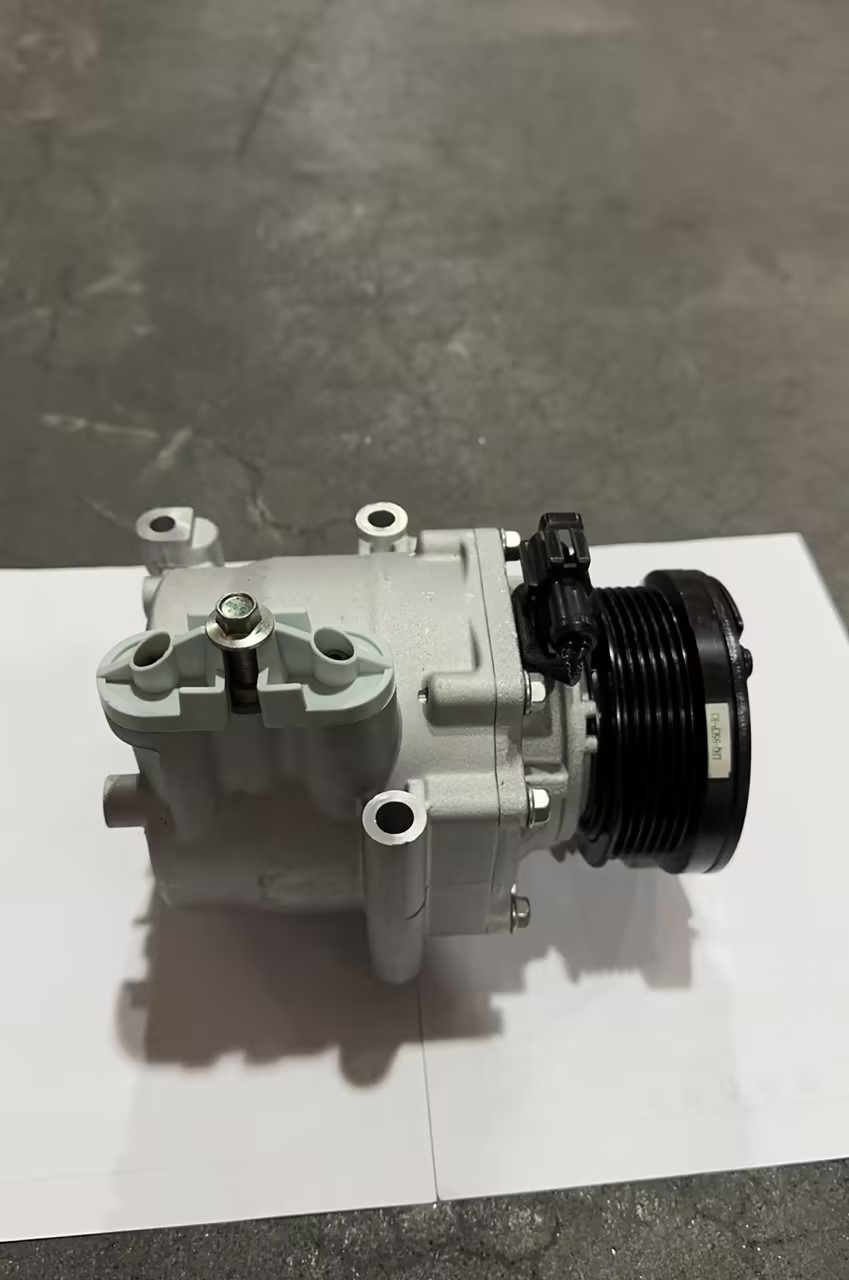
The basic scroll compression mechanism is durable because it avoids some of the reciprocating components found in piston compressors. Rather than having pistons and valve assemblies that move repeatedly, two spiral scrolls compress the refrigerant through orbital motion. This process progressively reduces the volume of trapped gas pockets as the scrolls move towards the discharge area.
This operating principle provides smooth compression with relatively low pulsation and vibration. ASHRAE notes that scroll compressors are extensively used in residential and commercial air conditioning, refrigeration, and heat pump applications, and that they require close-tolerance manufacturing to maintain efficiency and performance.
Another advantage is that modern scroll compressors can incorporate design features intended specifically to protect the compressor under difficult operating conditions. Danfoss, for instance, highlights intermediate discharge valves, bearing surface treatments, polymer bearings, oil management features, and integrated discharge temperature protection in some of its scroll platforms. These features are designed to improve reliability in situations such as start-up, high condensing temperatures, low lubrication, and part-load operation.
However, the compressor does not operate independently from the refrigeration system. The workload of the compressor is influenced by the evaporator, condenser, expansion device, refrigerant charge, piping, oil circulation, controls, electrical supply, and airflow or water flow. Therefore, even a highly durable scroll compressor can have a short service life if the surrounding system repeatedly forces it outside its intended operating envelope.
The Main Factors That Determine Scroll Compressor Life
A scroll compressor’s lifespan is best understood as the combined result of several operating variables. Some factors are controlled by the compressor manufacturer, but many are determined by system design, installation quality, commissioning, and maintenance.
- Operating temperature and pressure
High condensing temperatures and excessive compression ratios place additional thermal and mechanical stress on the compressor. The motor and discharge gas can become excessively hot, while the compressor may spend more time operating near the limits of its application envelope.
Danfoss specifically states that the compressor application range is influenced by evaporating temperature, condensing temperature, return-gas temperature, compressor ambient temperature, refrigerant, lubricant, and motor supply. Operating outside the manufacturer’s specified envelope can therefore reduce reliability even when the compressor itself has not reached an advanced age.
- Compressor cycling
Frequent starts and stops are particularly undesirable because startup creates a different combination of mechanical, electrical, thermal, and lubrication stresses from steady-state operation. A system that repeatedly calls for short cooling cycles can place considerably more stress on the compressor than one that runs for longer, stable periods.
Danfoss guidance for scroll systems specifies minimum running-time requirements to support motor cooling and oil return, and one current application guideline specifies a minimum compressor running time of two minutes and a maximum of 12 starts per hour for a particular scroll application. These figures are application-specific rather than universal rules for every scroll compressor, but they demonstrate why control strategy matters to compressor life.
- Oil return and lubrication
Lubrication is one of the most important aspects of compressor longevity. Although only a relatively small amount of oil circulates with refrigerant in a properly functioning system, that oil must ultimately return to the compressor in sufficient quantity to maintain the required lubrication conditions.
Poor oil return can become particularly problematic during low-load or part-load operation, when refrigerant velocity may not be sufficient to transport oil effectively through the piping. Danfoss states that proper oil return is a prerequisite for reliable operation and provides dedicated oil-management solutions for scroll, reciprocating, and other compressor types.
- Refrigerant and liquid management
Liquid refrigerant entering a compressor can create serious mechanical and lubrication problems. Scroll compressors are designed to handle specific operating conditions and may incorporate protection mechanisms, but they should not be treated as being immune to liquid floodback or liquid slugging.
Correct superheat control, expansion-device selection, refrigerant charge, suction-line design, and system control all contribute to protecting the compressor. If these elements are poorly matched, the resulting damage can develop long before the compressor reaches its nominal service-life expectation.
Scroll Compressor Lifespan by Operating Condition
It is useful to think about compressor life in terms of duty severity rather than application label. A residential air conditioner is not automatically an easy application, and an industrial refrigeration system is not automatically a difficult one; actual operating conditions determine the stress placed on the compressor.
| Operating condition | Expected effect on compressor life | Main reason |
| Stable operation within rated envelope | Favorable | Lower thermal and mechanical stress |
| Correct refrigerant charge | Favorable | Supports proper cooling and compression |
| Good oil return | Favorable | Maintains lubrication |
| Long, stable operating cycles | Favorable | Reduces repeated startup stress |
| Frequent short cycling | Negative | Increases startup and thermal stress |
| High condensing temperature | Negative | Raises compression and discharge temperature |
| Low superheat | Negative | Increases risk of liquid return |
| Poor oil return | Negative | Can cause inadequate lubrication |
| High ambient operation | Negative | Increases heat rejection and compressor stress |
| Contaminated refrigerant circuit | Negative | Can damage oil, bearings, and internal surfaces |
| Incorrect electrical supply | Negative | Can overheat or damage the motor |
| Operation outside application envelope | Strongly negative | Increases risk of premature failure |
This table should be viewed as a reliability framework rather than a prediction calculator. The actual service life of a particular compressor still depends on the manufacturer’s application envelope, system configuration, control logic, refrigerant, lubricant, and maintenance practices.
How Maintenance Extends Scroll Compressor Life?
Although a scroll compressor does not require the same type of routine internal maintenance as some semi-hermetic compressors, it is not maintenance-free. In many systems, the most effective way to maintain the compressor is to maintain the system.
Technicians should monitor operating pressures and temperatures, compressor current, discharge temperature, suction superheat, condenser and evaporator performance, as well as listening out for abnormal noise and checking for vibration and evidence of oil migration. Trends are often more valuable than an isolated measurement, as a gradual increase in discharge temperature or current can reveal developing problems before the compressor fails.
Oil management requires particular attention in systems with multiple compressors, long refrigerant piping, variable-speed operation, or significant part-load operation. Danfoss application documentation specifically requires the evaluation of oil return under defined operating conditions, noting that the oil level should remain within the required range during operation and when the compressors are stopped.
Electrical inspection is equally important. Loose connections, voltage imbalance, incorrect phase conditions, inadequate protection, or repeated electrical disturbances can damage the motor, even if the refrigeration circuit is functioning correctly. Therefore, preventive maintenance should evaluate the entire compressor package, rather than focusing solely on the mechanical compression mechanism.
What Are the Warning Signs of a Failing Scroll Compressor?
A scroll compressor does not usually provide a simple countdown to indicate how much of its remaining lifespan is left. Instead, problems often manifest as changes in system performance, electrical behaviour, sound, temperature or pressure.
One common warning sign is a decline in cooling or heating capacity despite the system controls appearing normal. Reduced capacity can be caused by a number of factors, including refrigerant issues, airflow restrictions, dirty heat exchangers, problems with the expansion device, or compressor wear. Therefore, technicians should diagnose the system rather than immediately condemning the compressor.
Abnormal electrical current is another useful indicator. If the compressor’s current consistently increases under comparable operating conditions, this may indicate excessive compression load, overheating, electrical issues, or mechanical deterioration. Again, the trend should be interpreted against the compressor’s rated operating conditions rather than judged by current alone.
Unusual vibration or noise can also indicate a developing problem. Scroll compressors are generally known for their smooth operation, so any significant change to their normal acoustic or vibration signature requires investigation.
The most reliable diagnostic approach is to combine several measurements:
- Suction and discharge pressure
- Suction and discharge temperature
- Superheat and subcooling
- Compressor current and voltage
- Discharge temperature
- Operating frequency for variable-speed systems
- Oil level and oil return where applicable
- System capacity and temperature performance
- Vibration and unusual sound
- Fault codes and protection events
A single abnormal measurement should not automatically lead to compressor replacement. The objective is to determine whether the compressor is the source of the problem or whether another component is causing the compressor to operate abnormally.
How Does a Scroll Compressor Compare With Other Compressor Types?
Scroll compressors occupy an important middle ground between compact equipment and larger industrial compression systems. Their combination of efficiency, low vibration levels, compact size, and limited number of moving parts makes them particularly common in air conditioning, heat pumps, and refrigeration equipment, as well as other applications identified by ASHRAE.
Reciprocating compressors can offer different serviceability characteristics, particularly in semi-hermetic configurations, where internal components can be accessed and replaced. Copeland states that components such as valve plates, gaskets, and bearings can be replaced in the field on semi-hermetic compressors, which could potentially extend the life of the equipment beyond 20 years in suitable applications.
Scroll compressors, particularly hermetic models, are generally approached differently. If a major internal failure occurs, it is often more practical to replace the compressor than to rebuild it in the field. This makes system protection and correct application particularly important, as preventing premature failure is much more economical than attempting to repair a severely damaged hermetic scroll compressor.
Therefore, the relevant question is not simply “Which compressor lasts longest?” A better question is which compressor architecture provides the best combination of efficiency, reliability, serviceability, capacity control, footprint, operating envelope, and lifecycle cost for the application.
How Many Operating Hours Can a Scroll Compressor Last?
Calendar years alone do not tell the full story. For example, a scroll compressor that operates for 2,000 hours per year and one that operates almost continuously could both be described as ’10-year-old compressors’, but their cumulative operating hours and number of starts could differ significantly.
This is why industrial buyers should consider operating hours, number of starts, load profile, and operating envelope as well as calendar age. A compressor that has undergone many years of stable operation may be in better condition than a newer unit that has experienced repeated high-temperature operation, liquid return or severe short cycling.
Danfoss’s current scroll application guidance illustrates this operating-hour perspective by specifying minimum running times and evaluating oil return behaviour under defined operating conditions. The objective is to ensure that each operating cycle provides adequate lubrication and motor cooling, not simply to keep the compressor running.
For this reason, there is no scientifically reliable universal conversion such as ‘X operating hours equals Y years’ for every scroll compressor. The manufacturer’s operating envelope and the actual duty cycle should always take priority.
When Should You Replace a Scroll Compressor?
Age alone is not usually a sufficient reason to replace a functioning scroll compressor. If an older compressor is delivering the required capacity and operating within normal pressure and temperature ranges, drawing the correct amount of current and showing no signs of insulation deterioration, mechanical damage or unusual oil behaviour, it may be sensible to continue operating it from an economic point of view.
However, replacement becomes more compelling when the risk of repair and operating costs exceed the value of continued operation. Examples of this include repeated electrical trips, declining efficiency, persistent overheating, abnormal compression performance, internal mechanical damage, severe insulation failure, or a refrigeration circuit that has become contaminated following a major compressor burnout.
Energy efficiency is another factor to consider. Older equipment may still function, but it will consume considerably more electricity than a modern replacement. In a commercial or industrial system with a high runtime, the energy savings from a newer compressor or complete system can sometimes justify replacement before catastrophic failure.
A lifecycle assessment should therefore consider:
- Remaining compressor reliability
- Energy consumption
- Annual operating hours
- Refrigerant availability and regulatory requirements
- Replacement compressor cost
- Labor and refrigerant recovery costs
- Downtime risk
- Availability of spare parts
- System efficiency after replacement
- Expected remaining service life of the surrounding equipment
This approach is more useful than adopting an arbitrary “replace after 10 years” rule.
How to Maximize Scroll Compressor Service Life?
To maximise the potential service life of a scroll compressor, it is more effective to protect the compressor from abnormal operating conditions than to service it after problems appear.
Firstly, ensure that the correct compressor is selected for the application. The refrigerant, evaporating temperature, condensing temperature, return gas temperature, ambient conditions, motor supply, and required capacity should all fall within the manufacturer’s specified operating envelope. Danfoss specifically identifies these parameters as being central to the safe and reliable operation of scroll compressors.
Secondly, the system should be designed for reliable oil return. Piping dimensions, oil traps where appropriate, vertical lift, refrigerant velocity, compressor staging, and part-load operation can all affect oil circulation. Even if a system operates efficiently at full load, it can still create long-term compressor reliability problems if it loses oil-return performance during low-load operation.
Thirdly, reduce unnecessary cycling. Proper control logic, adequate system capacity, staging, inverter operation where appropriate, and correct thermostat or controller settings can help prevent excessive starts. Danfoss explicitly identifies frequent on/off cycling as a concern for the lifetime of its scroll systems and provides application-specific running-time requirements.
Finally, maintain the entire refrigeration system. This involves cleaning heat exchangers, ensuring correct airflow or water flow, maintaining proper refrigerant charge, keeping electrical connections clean, achieving appropriate superheat, and detecting abnormal operating conditions early. All of these factors reduce the workload imposed on the compressor.
Scroll Compressor Service Life: Practical Reference
The following framework is more useful for equipment planning than assigning one exact lifespan to every compressor.
| Situation | Practical life expectation | Recommended approach |
| Correctly sized residential HVAC, moderate use | Often 10–15+ years | Routine system maintenance and trend monitoring |
| Well-maintained heat pump | Often 10–15+ years | Protect against high discharge temperature and cycling |
| Commercial HVAC with stable operation | Commonly 10–20 years possible | Monitor operating envelope and electrical conditions |
| Heavy-duty refrigeration | Highly application-dependent | Prioritize oil return, refrigerant control, and thermal management |
| Frequent short cycling | Potentially much shorter | Correct controls and minimum run-time issues |
| High ambient/high condensing operation | Potentially reduced | Improve heat rejection and verify application envelope |
| Poor oil return | Potentially severely reduced | Review piping, velocity, and oil-management strategy |
| Repeated liquid floodback | Potentially severely reduced | Diagnose superheat, expansion and control problems |
| Contaminated system after burnout | High risk of repeat failure | Proper cleanup and contamination control |
| Older but stable compressor | May continue operating | Evaluate performance and lifecycle economics before replacement |
The numbers above are planning ranges, not manufacturer warranties or guaranteed failure points. ASHRAE’s published service-life information itself shows that equipment life varies by equipment category and building context, reinforcing the need to treat service-life figures as statistical or planning references rather than fixed deadlines.
Does a Scroll Compressor Need Regular Replacement?
No. A scroll compressor should generally be condition-assessed rather than automatically replaced at a specific age. A 12-year-old compressor with stable performance may have more useful life remaining, while a five-year-old compressor exposed to severe operating conditions may already have significant reliability concerns.
For commercial and industrial users, condition-based decisions are particularly valuable. Recording suction and discharge pressures, temperatures, current, operating hours, starts, alarm history, and capacity trends creates a baseline that makes abnormal behavior easier to identify.
This also changes the role of maintenance from reactive repair to reliability management. Instead of waiting for a compressor to trip and shut down production, operators can identify gradual changes and determine whether the problem originates from the compressor, condenser, evaporator, expansion device, refrigerant circuit, controls, or electrical system.
Danfoss’s reliability documentation reinforces this system-level perspective: compressor lifetime is strongly affected by how the complete application is operated, particularly cycling, high ambient conditions, superheat, defrost operation, and oil return.
FAQ: Scroll Compressor
- How long does a scroll compressor last?
A scroll compressor commonly provides around 10–20 years of service when correctly selected, installed, and maintained. Actual life can be shorter or longer depending on operating conditions and system design.
- What causes a scroll compressor to fail?
Common causes include poor oil return, liquid refrigerant return, high discharge temperature, frequent short cycling, electrical problems, contamination, and operation outside the manufacturer’s application envelope. The root cause should be identified before replacing the compressor.
- How can I make my scroll compressor last longer?
Maintain correct refrigerant charge, adequate superheat, reliable oil return, proper airflow or water flow, and stable electrical supply. Reducing unnecessary starts and keeping the compressor within its specified operating envelope can also improve reliability.
- Are scroll compressors more reliable than reciprocating compressors?
Scroll compressors can offer reliability advantages because they have relatively few moving parts and provide smooth compression. However, reliability depends heavily on application, system design, operating conditions, and maintenance rather than compressor type alone.
- How do I know if my scroll compressor is failing?
Warning signs can include abnormal noise or vibration, increasing current, high discharge temperature, repeated protection trips, reduced capacity, and unusual suction or discharge pressures. A technician should evaluate the complete refrigeration system before determining that the compressor itself has failed.
- Should I replace a scroll compressor after 10 years?
Not necessarily. Ten years can be used as a useful planning reference, but a compressor should be evaluated based on condition, efficiency, operating history, repair risk, and the expected cost of continued operation.
Conclusion
So, how long does a scroll compressor last? For many properly designed HVAC, heat pump, and refrigeration applications, 10–20 years is a realistic planning range, but there is no universal expiry date. While ASHRAE service-life information provides useful benchmarks, compressor manufacturers such as Danfoss emphasise that actual longevity is strongly influenced by operating conditions, oil return, cycling, refrigerant management, temperature, and compliance with the application envelope.
Therefore, the strongest predictor of a long service life is not simply the compressor’s age or brand. Rather, it is whether the entire refrigeration system consistently allows the scroll compressor to operate under the conditions for which it was designed. Correct sizing, stable control, adequate oil return, proper superheat, good heat rejection, clean refrigerant circuits, and appropriate electrical protection can make a substantial difference over thousands of operating hours.
The most practical strategy for facility owners and equipment buyers is therefore to treat compressor life as a lifecycle performance issue rather than a fixed replacement interval. This involves monitoring operating trends, investigating abnormal conditions early on, maintaining the refrigeration circuit, and comparing energy consumption and reliability against the cost of replacement. This approach provides a much more defensible basis for deciding whether an ageing scroll compressor should continue running or be replaced.