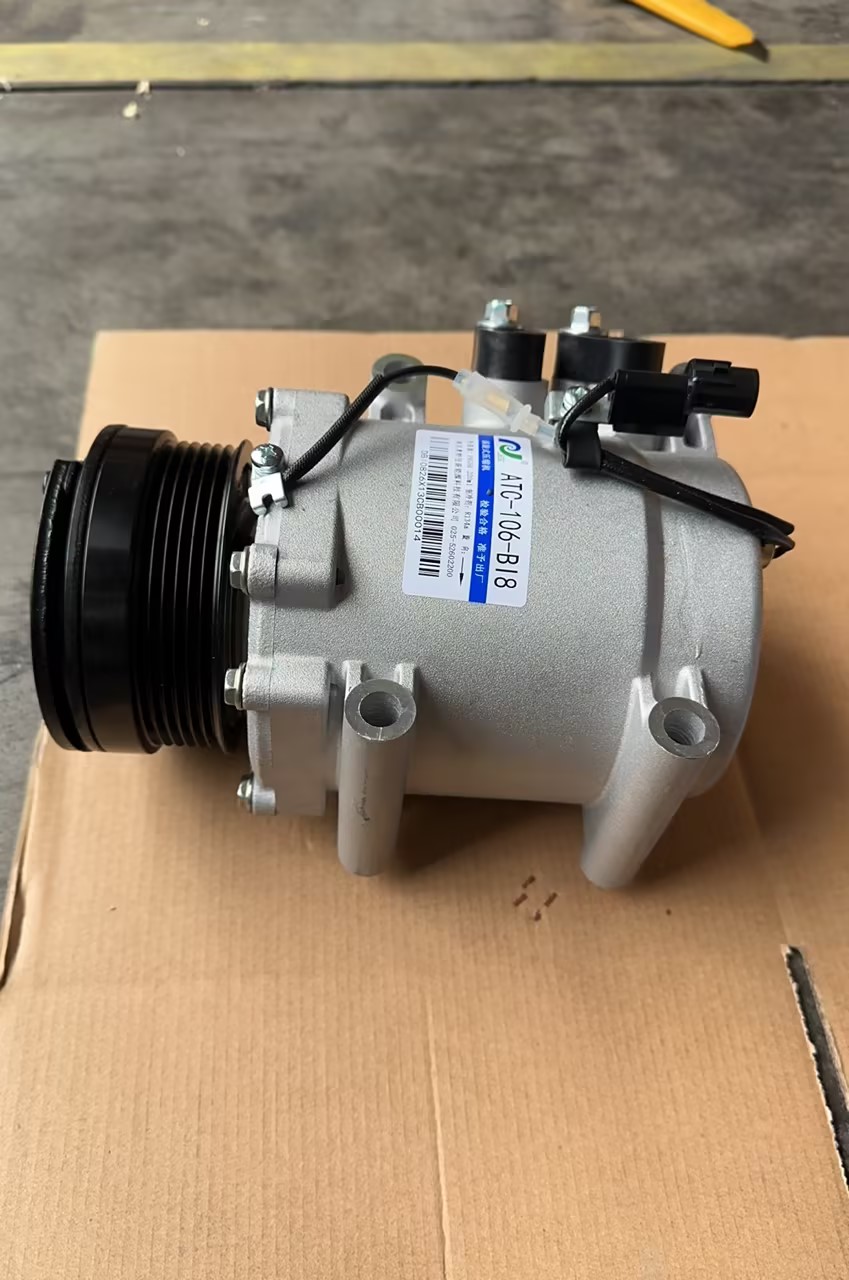
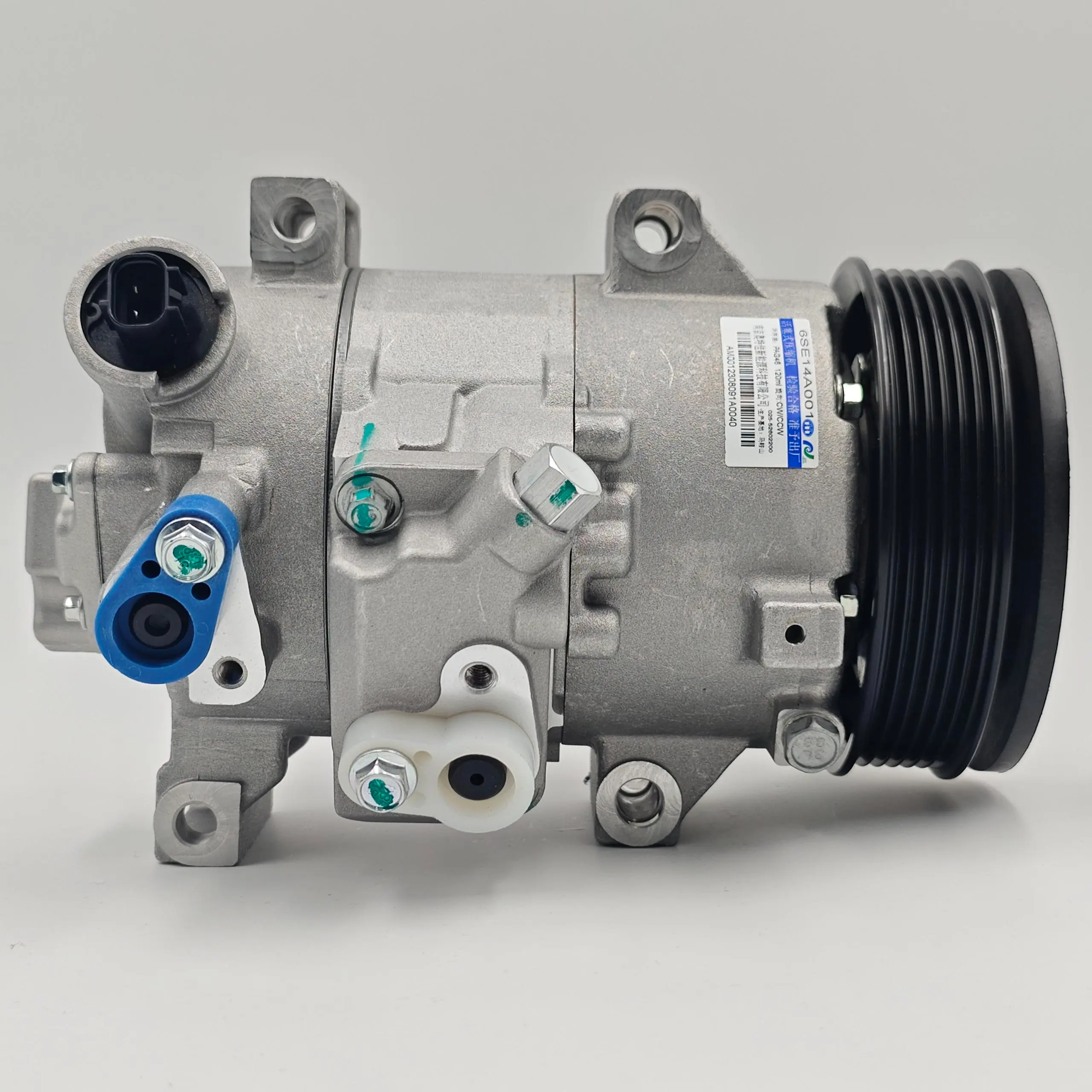
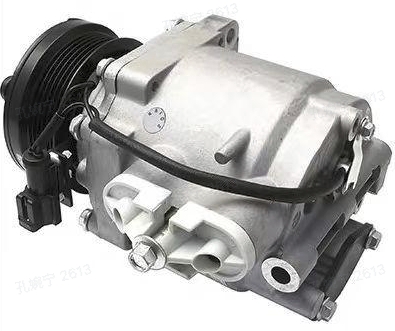
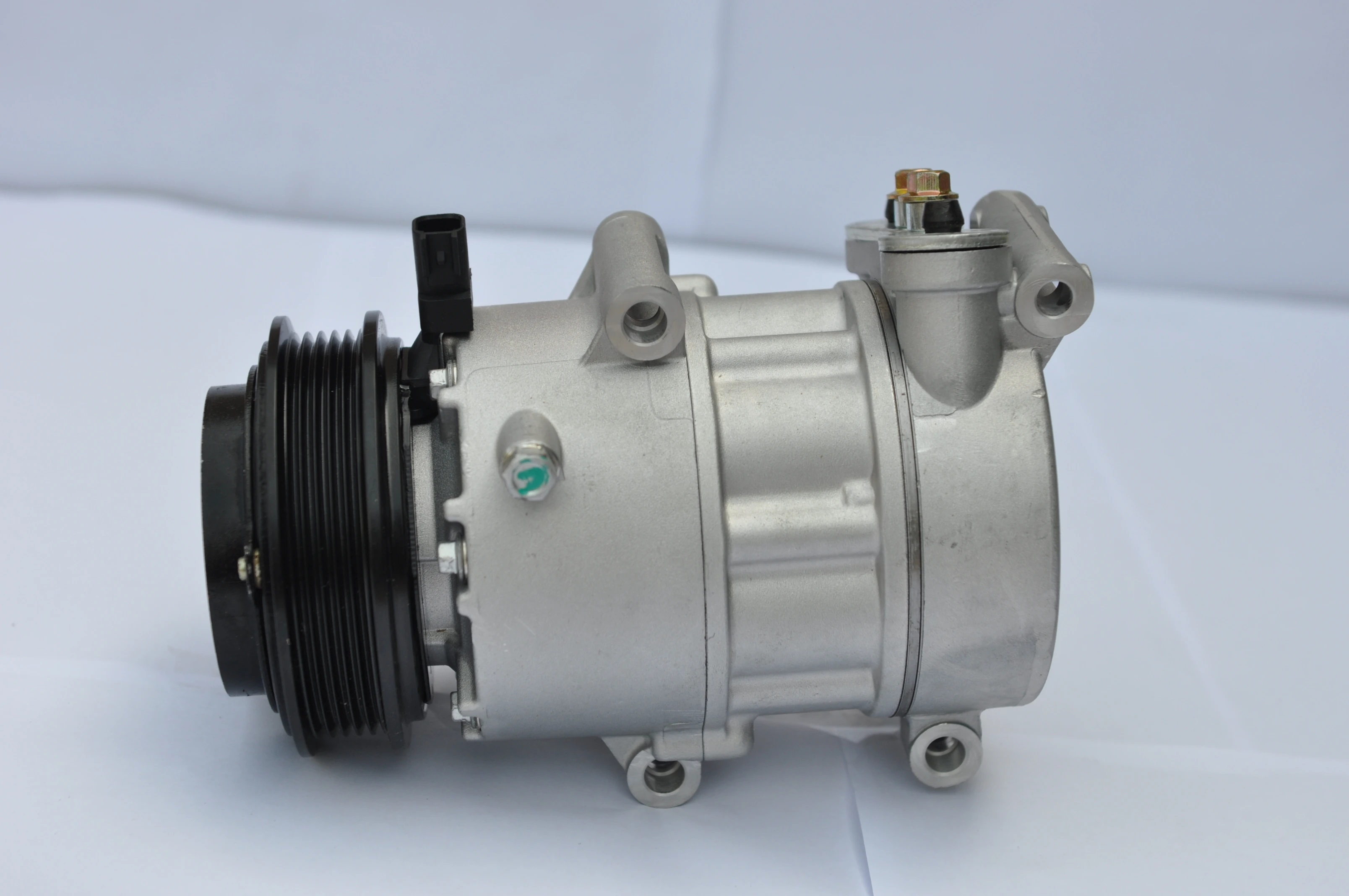
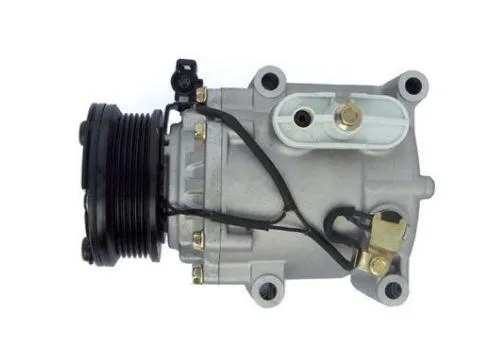
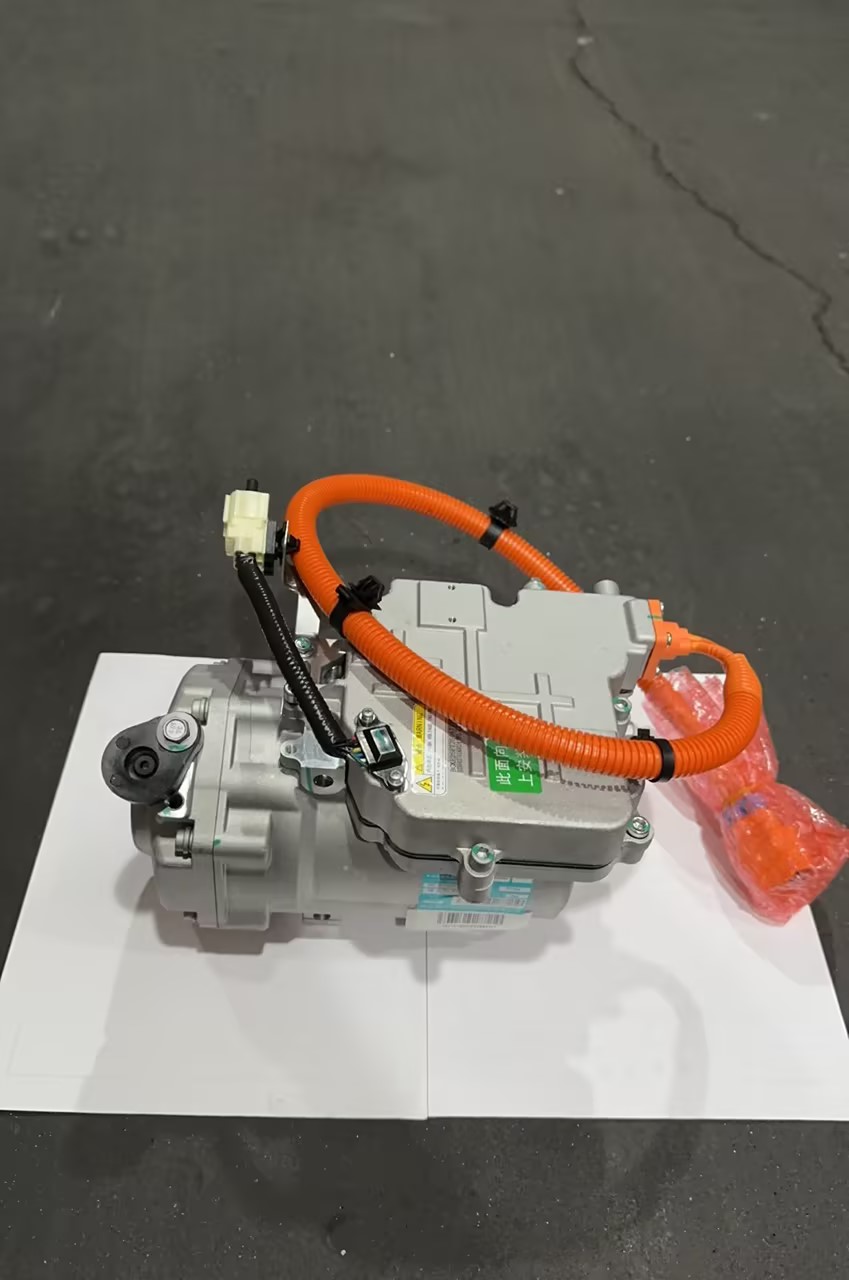
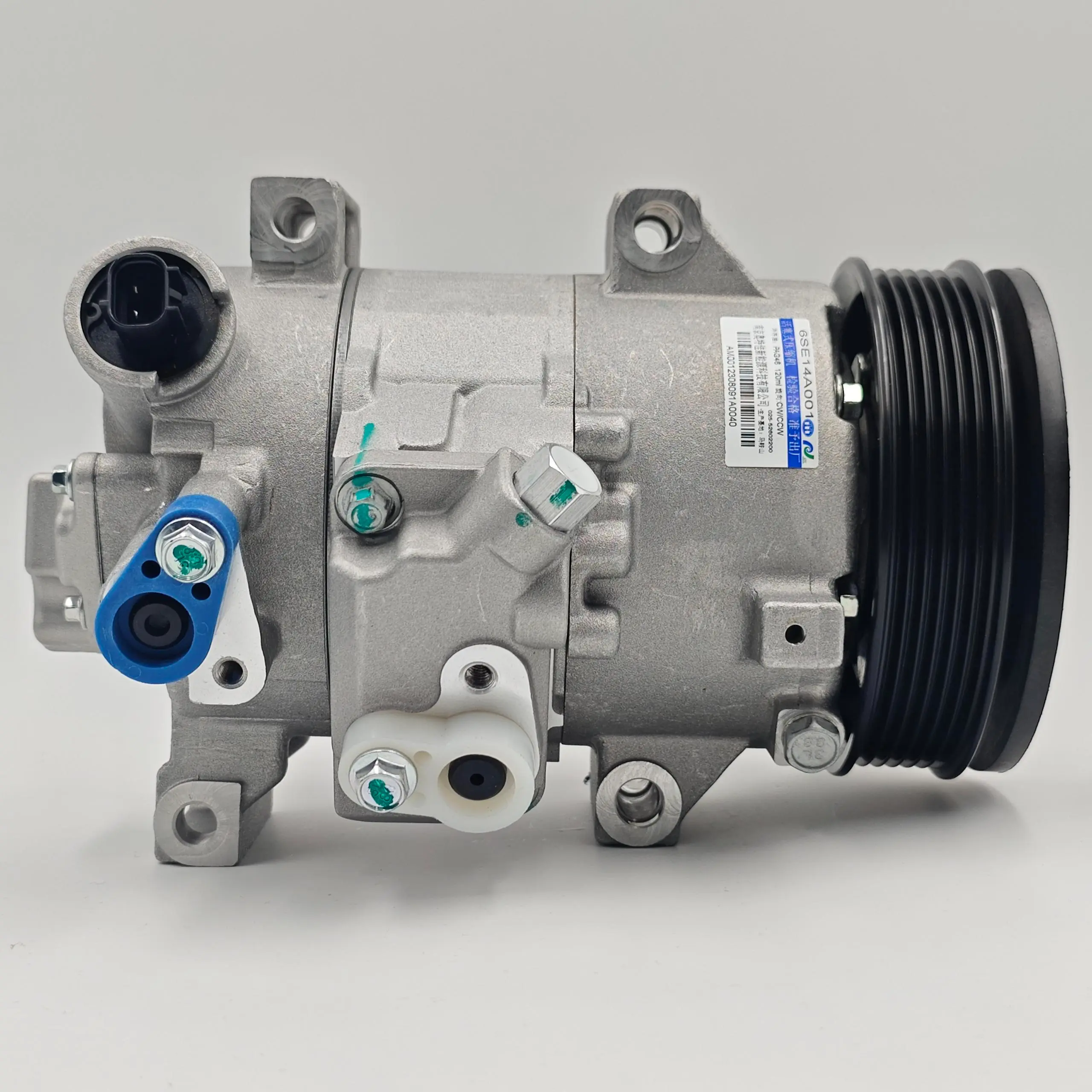
Compare piston and rotary compressors by exploring their working principles, efficiency, noise levels, maintenance requirements, and ideal applications to determine which type best suits your HVAC, refrigeration, or industrial needs.
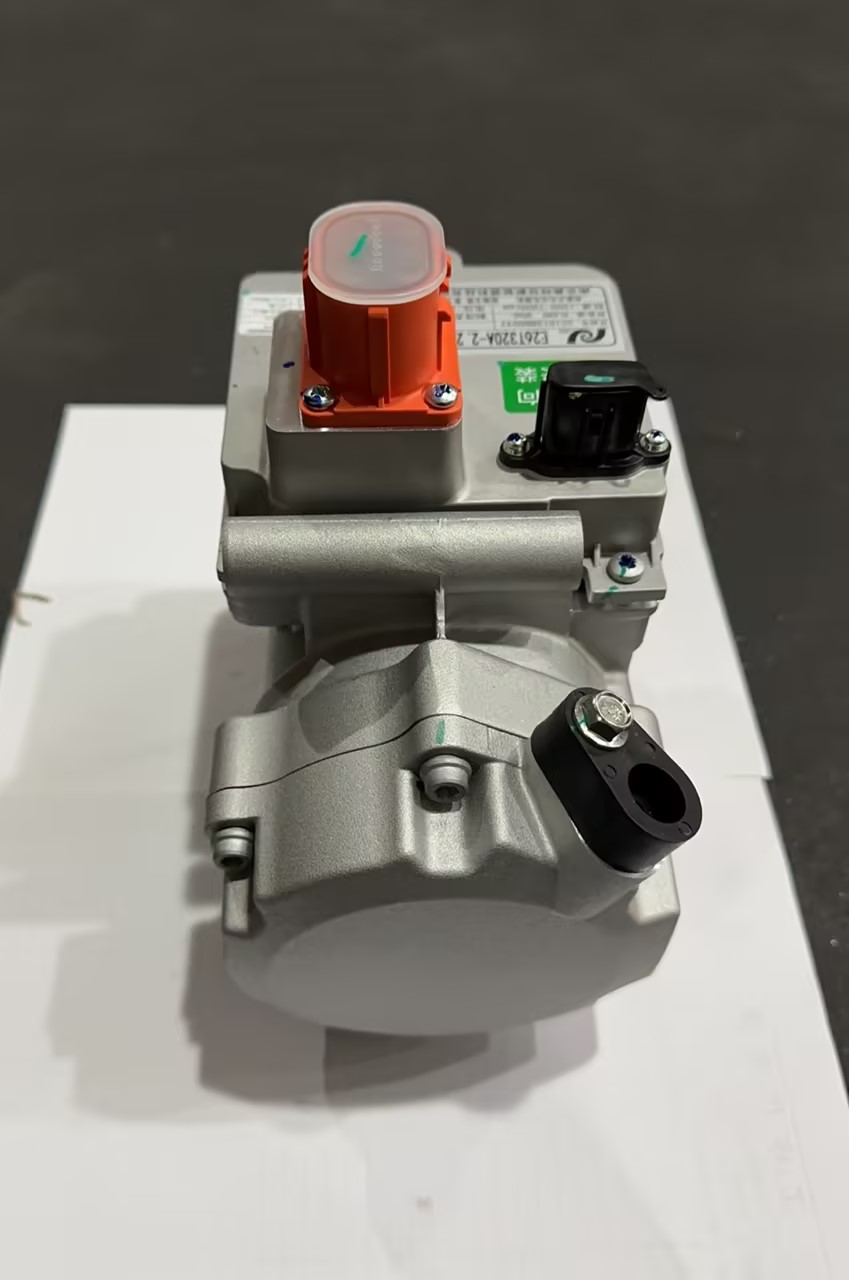
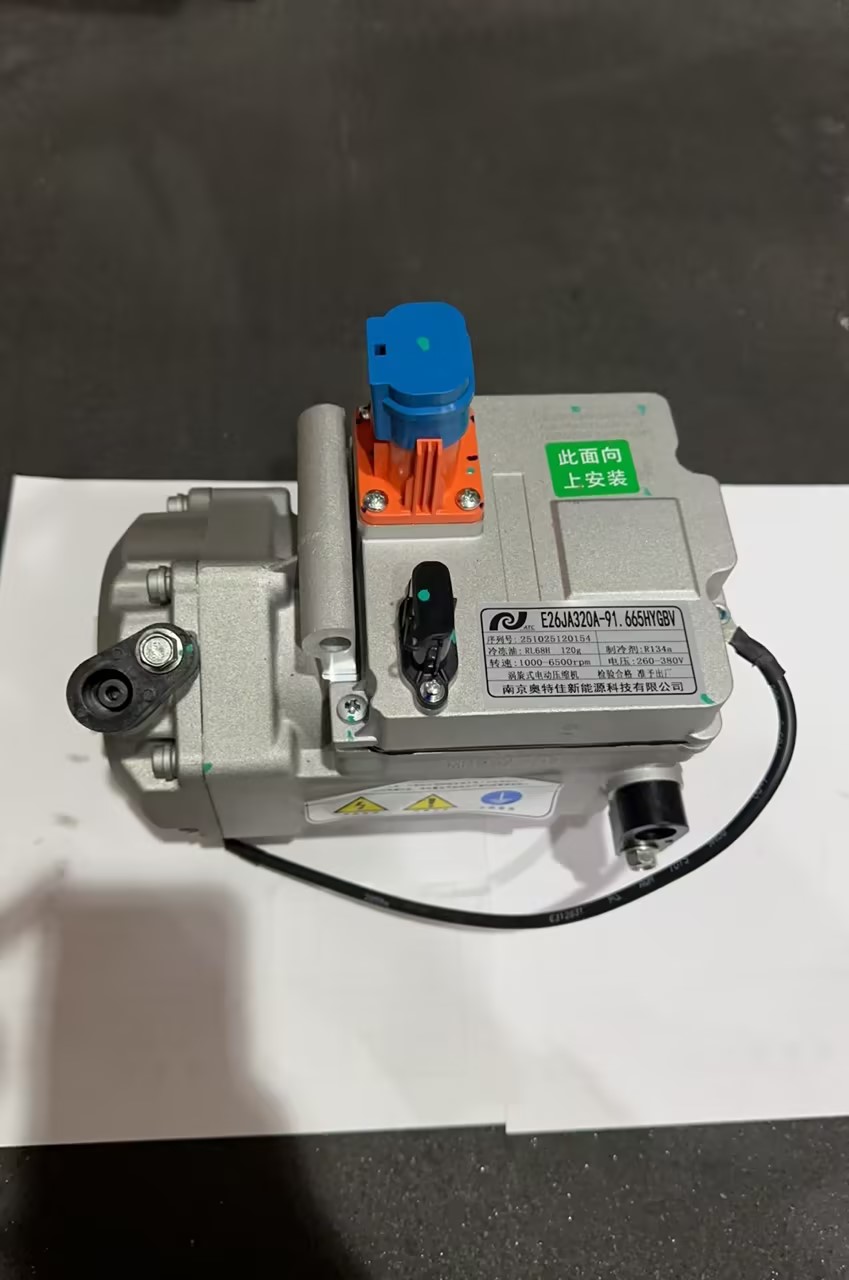
Learn how a scroll compressor works through its unique orbiting and fixed scroll mechanism, which compresses refrigerant efficiently to provide quiet, reliable, and energy-saving performance in HVAC, refrigeration, and industrial applications.
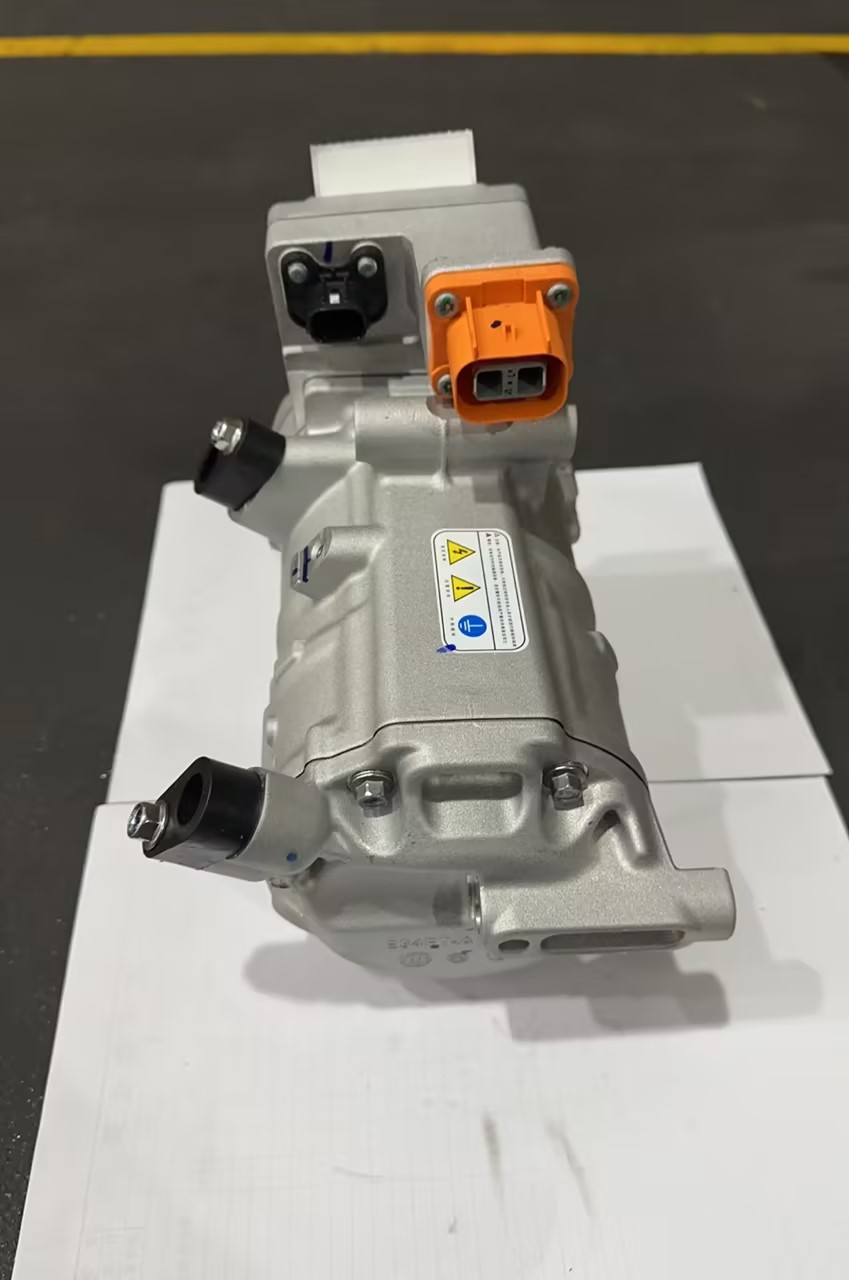
Explore the different types of electric compressors, including rotary, scroll, piston, and other designs, to understand their working principles, advantages, and applications in HVAC, refrigeration, automotive, and industrial systems.
Compare piston compressors and screw compressors in terms of working principle, efficiency, maintenance, cost, and industrial applications. Learn which compressor is the best choice for your business.