
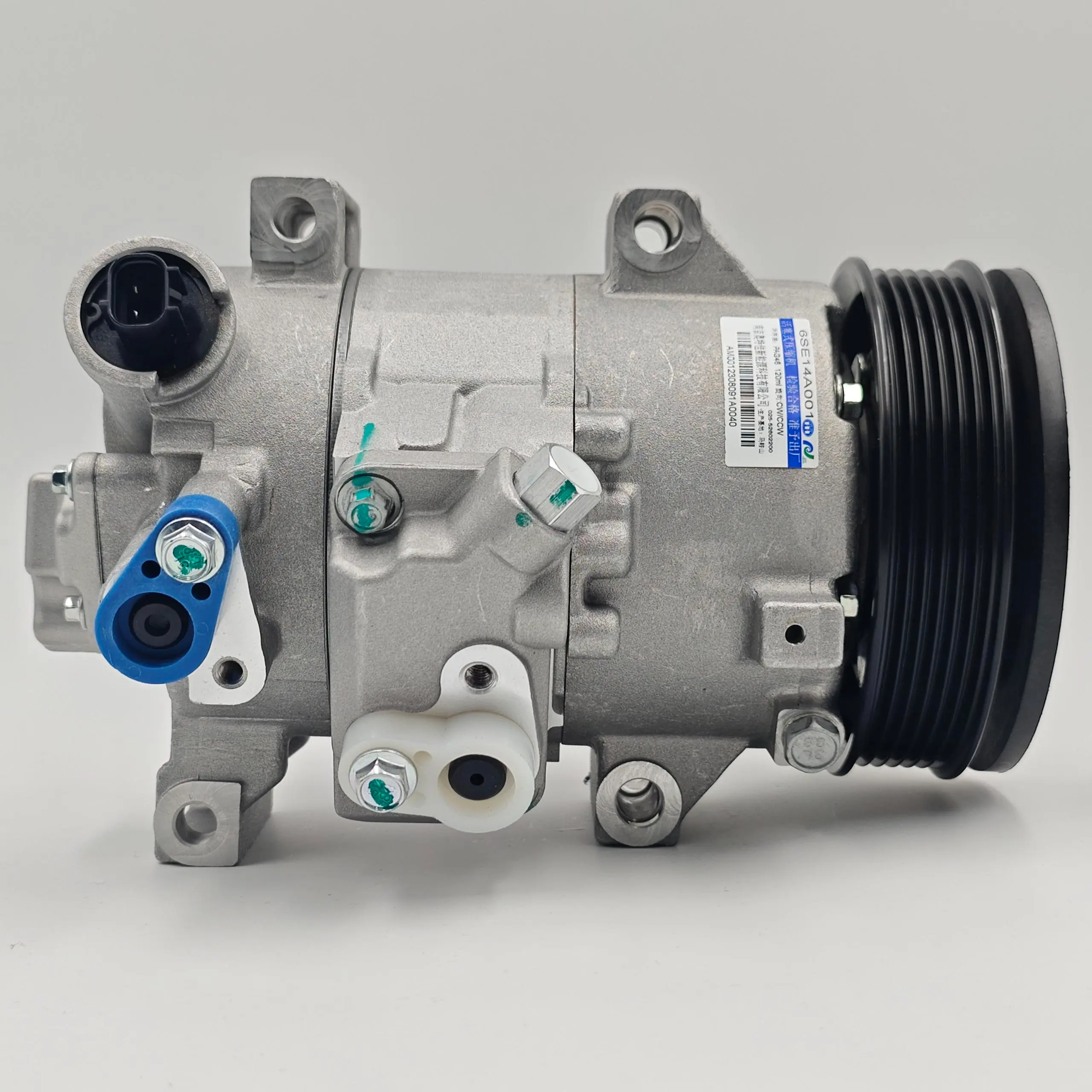
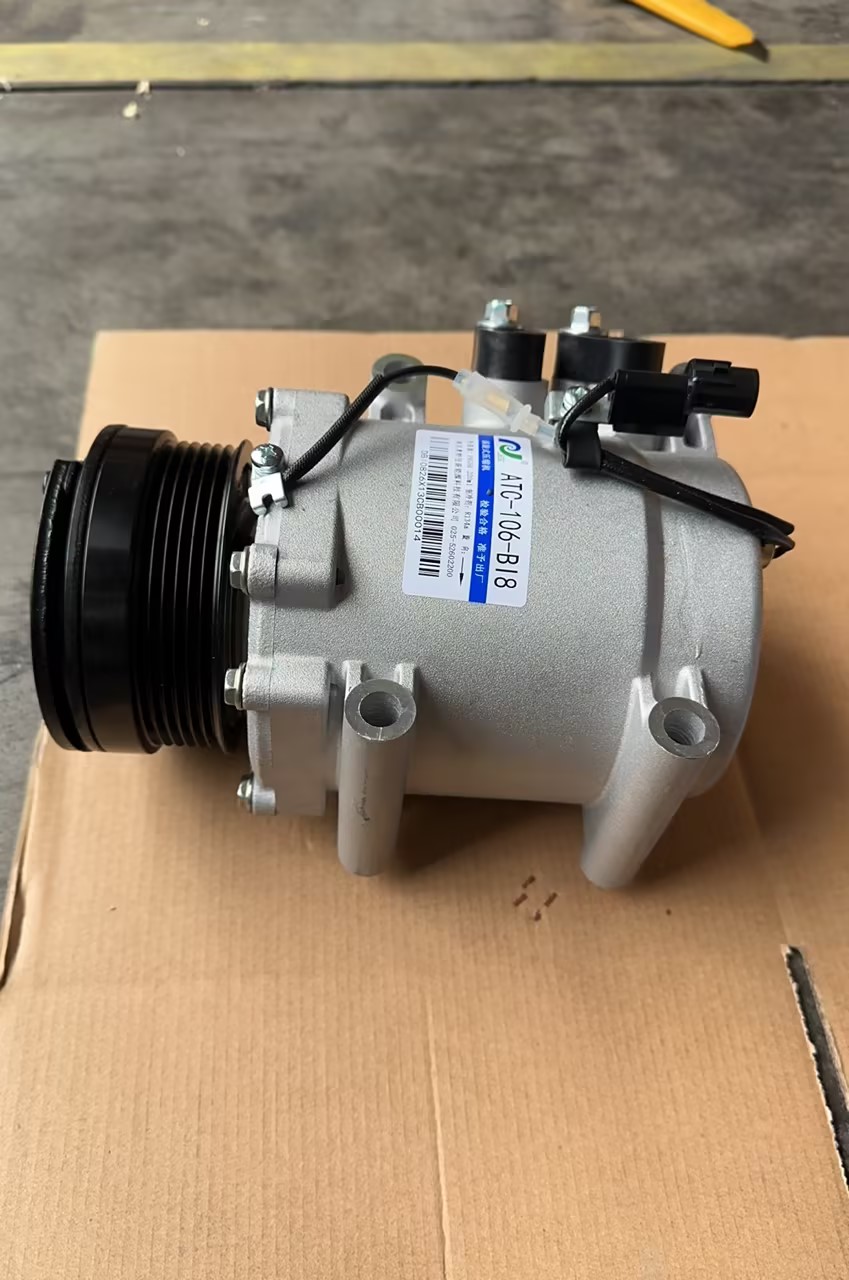
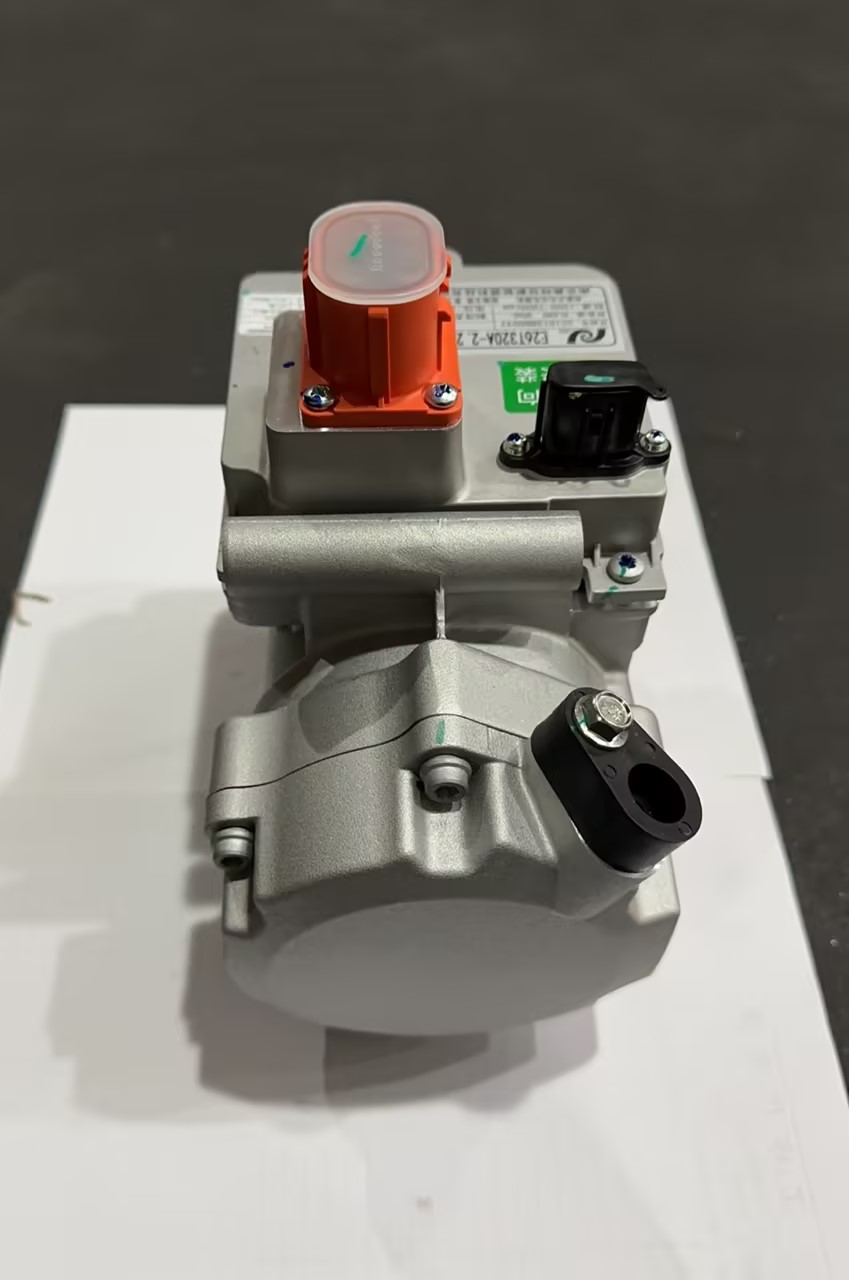
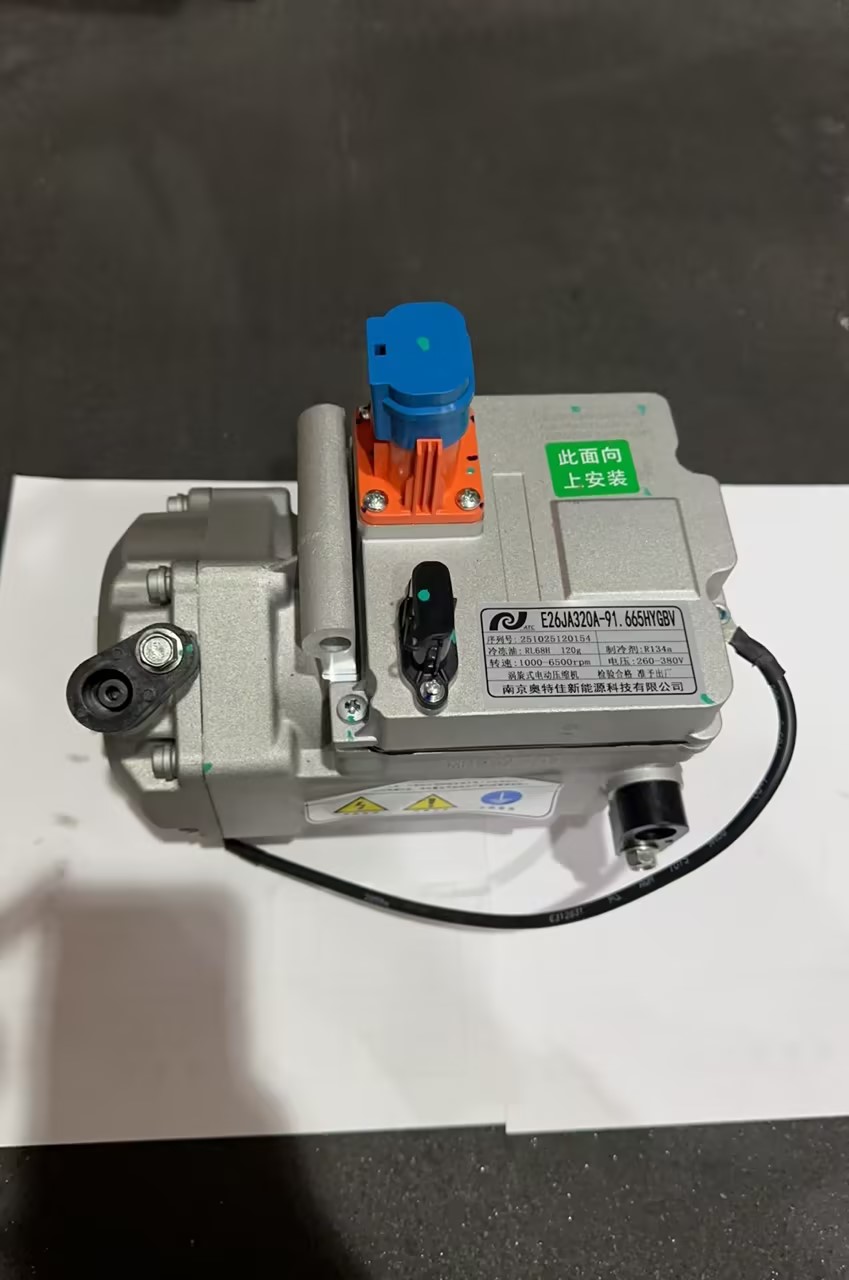

Product Description
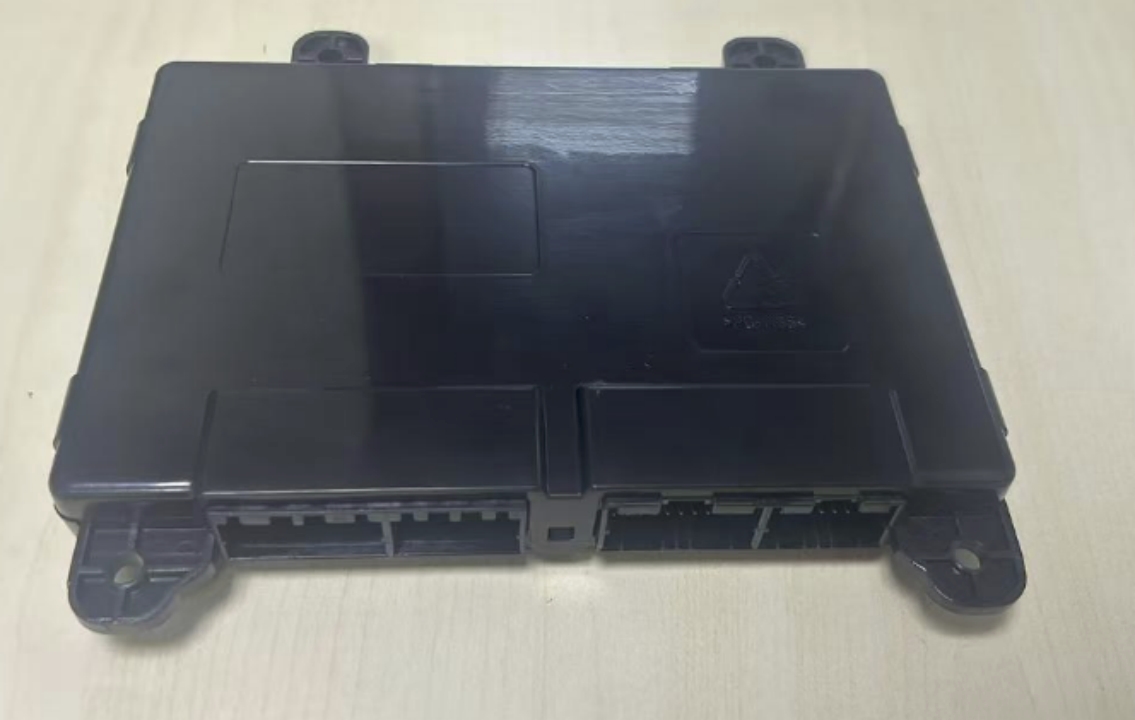
The thermal management controller serves as the brain of the thermal management system in new energy vehicles. By receiving signals from various sensors—such as temperature, pressure, and flow rate—it monitors the thermal status of the vehicle’s components. It then employs pre-set control strategies and algorithms to precisely regulate actuators such as cooling fans, water pumps, compressors, and PTC heaters. This enables optimal adjustment of critical components including the battery, motor, and electronic control systems, alongside maintaining appropriate cabin temperatures. Consequently, the vehicle achieves sound thermal equilibrium under diverse operating conditions, thereby ensuring operational safety. PTC heaters, and other actuators. This enables the precise regulation of critical components like batteries, electric motors, and electronic control units, alongside the passenger compartment temperature. It ensures the vehicle maintains optimal thermal equilibrium under diverse operating conditions, thereby safeguarding vehicle safety, performance, and range.
Application Scenarios
Applied in numerous OEM thermal management systems for new energy vehicles
- Passenger compartment climate control
- Thermal management during charging
- Battery thermal management
- Thermal management for electric motors and control systems
Dimensions
(Length × Width × Height)
17.2X13.8X31cm
Product Details
The internal structure of the thermal management controller primarily comprises the following key components and modules, which work in concert to achieve precise control of the thermal management system in new energy vehicles:
1. Control Unit
• Microcontroller (MCU): Serving as the core of the thermal management controller, it processes signals from various sensors, executes control algorithms, and issues control commands to actuators.
• Memory: Used to store control programmes, sensor data, historical records, and other information.
• Communication Module: Facilitates data exchange with other control units, such as the Vehicle Control Unit (VCU), via CAN bus, LIN bus, and other protocols to enable coordinated control.
2. Sensor Interfaces: Connects to various temperature sensors, pressure sensors, Air Quality Sensors (AQS), etc.
3. Actuator Drive Module: Drives components including blower motors, damper motors, fans, pump valves, etc.
4. Power Management Module
5. Fault Diagnosis and Protection Module