
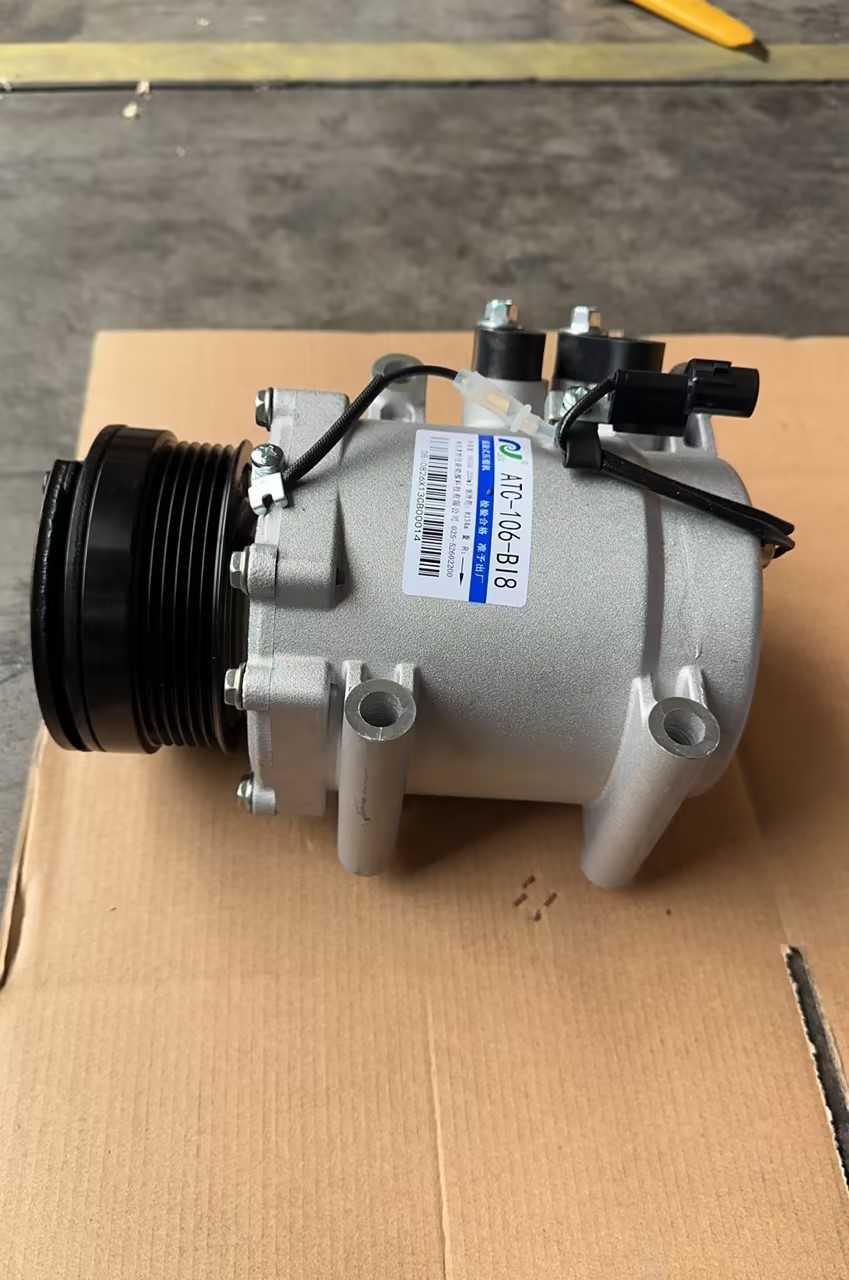
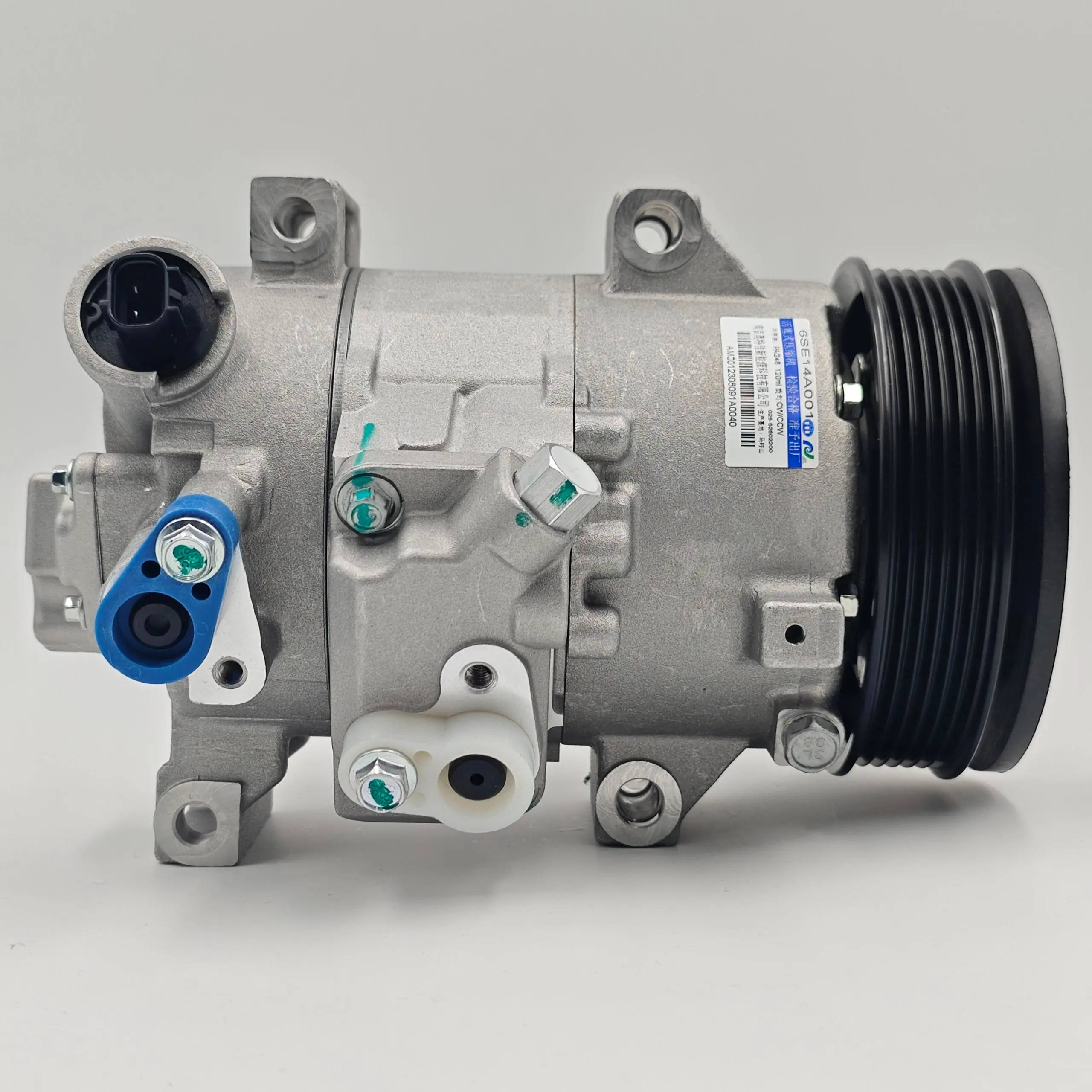
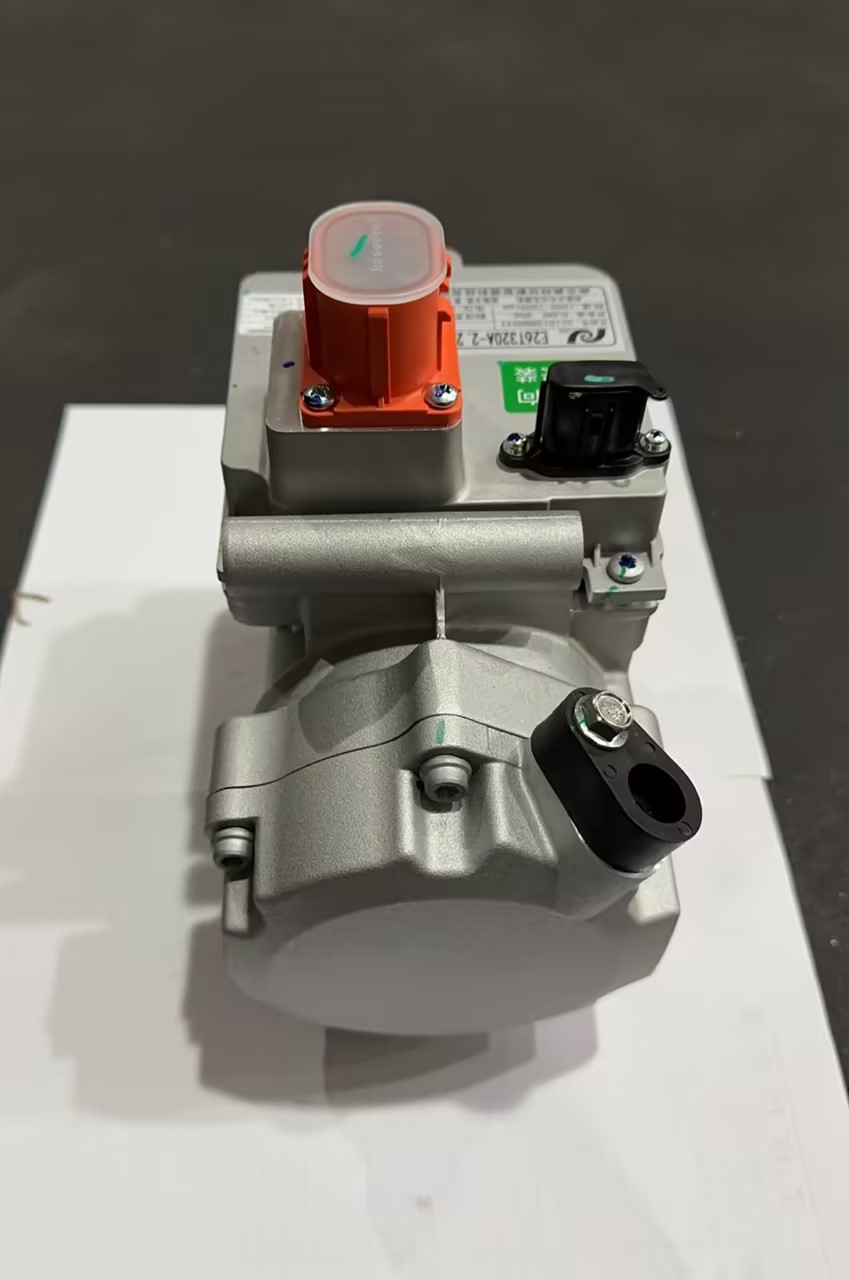
No, screw compressors and scroll compressors are not the same. Although both are positive-displacement machines that compress gas by reducing its volume, they have different mechanical characteristics, capacity ranges, and application requirements. A scroll compressor uses two intermeshing, spiral-shaped scrolls (one stationary and one orbiting), while a screw compressor uses rotating, helical rotors to continuously trap and compress gas. According to the ASHRAE Handbook: HVAC Systems and Equipment, these are distinct compressor designs with different mechanical characteristics, capacity ranges, and application requirements.
The main difference is not simply the shape of the compression components; it affects airflow, refrigerant capacity, noise levels, maintenance requirements, control flexibility, installation space, and operating costs. Understanding how scroll and screw compressors work makes it easier to choose the right technology for HVAC systems, refrigeration equipment, and industrial compressed-air applications.
What Is the Difference Between Screw and Scroll Compressors?
Screw and scroll compressors belong to the positive-displacement compressor family, but they use different mechanisms to compress gas. In a scroll compressor, two precision-machined spiral elements fit together to form enclosed pockets. One scroll remains stationary while the other moves in an orbital path, progressively reducing the pockets’ volume and pushing the compressed gas toward the discharge port. In a screw compressor, one or more helical rotors rotate inside a housing, trapping gas between the rotor lobes, grooves, and casing before progressively reducing the available volume and delivering the gas through the discharge port.
These mechanical differences influence where each technology performs best. Scroll compressors are widely used in residential and commercial air conditioning, heat pumps and refrigeration equipment, where compact construction, low sound levels and relatively smooth compression are valuable. Rotary screw compressors are common in industrial compressed-air installations and larger refrigeration systems, particularly where demand is substantial or continuous, and the equipment must support production processes over long operating periods. Neither design is universally more efficient: the correct choice depends on the working fluid, pressure ratio, load profile, required capacity, control strategy, and operating environment.
| Comparison factor | Scroll compressor | Screw compressor |
| Compression mechanism | Two intermeshing spiral scrolls; one orbits around the other | Helical rotor or rotors rotate within a housing |
| Common configuration | Usually a single scroll set per compressor | Single-screw or twin-screw designs |
| Typical applications | Residential and commercial HVAC, heat pumps, refrigeration, smaller compressed-air systems | Industrial compressed air, process refrigeration, larger HVAC and industrial cooling |
| Capacity range | Commonly suited to small and medium system capacities, with larger systems using multiple units. | Available across a broad range, including high-capacity industrial applications |
| Sound and vibration | Generally low due to smooth compression and relatively few moving components | Depends on rotor design, speed, enclosure, lubrication and installation |
| Capacity control | On/off cycling, variable speed, digital or other model-specific methods | Variable-speed drives, slide valves and other unloading or modulation methods |
| Maintenance | Often limited for hermetic HVAC models; repairs may require replacing the compressor assembly. | Requires maintenance appropriate to the design, including lubrication and rotor-system checks where applicable |
| Initial investment | Often attractive for smaller standalone systems | May be more suitable economically when greater or continuous demand justifies the investment |
| Key selection factor | Compactness, sound, operating conditions and part-load performance | Required flow, duty cycle, pressure, modulation and total operating cost |
How Does a Scroll Compressor Work?
A scroll compressor creates compression through the orbital movement of two carefully matched spiral elements. As low-pressure gas enters the outer part of the scroll set, spaces between the spirals trap pockets of gas. The orbiting scroll then moves these pockets of gas inwards, progressively reducing their volume until they reach the central discharge region at a higher pressure. As several pockets are compressed simultaneously at different stages, the process is relatively continuous. This helps to reduce pressure pulsation and operating noise compared with other compressor mechanisms.
The design depends on precision. The scroll profiles must maintain the correct clearances and sealing relationships to minimise internal leakage. In many designs, axial and radial compliance mechanisms help to maintain effective sealing as operating pressures change. These requirements explain why scroll compressors are manufactured with closely controlled geometries, and why contamination, liquid refrigerant ingestion, lubrication problems, or operation outside the specified parameters can compromise performance. Although a scroll compressor is mechanically compact, its reliability still depends on correct system design, refrigerant management, and operating conditions.
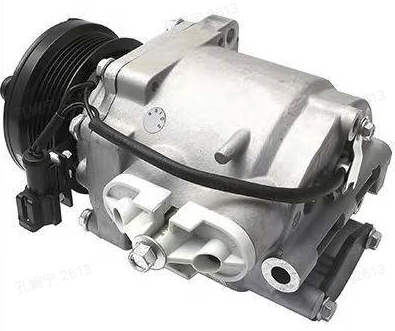
How Does a Screw Compressor Work?
A twin-screw compressor uses a pair of intermeshing helical rotors, commonly described as male and female rotors, housed inside a close-fitting casing. Gas enters through the inlet and occupies spaces between the rotor grooves and housing. As the rotors turn, these spaces close and move toward the discharge side, where their available volume decreases and gas pressure rises. The rotor geometry, clearances, rotational speed, internal volume ratio, and discharge pressure all influence the machine’s performance.
Screw compressors are available in oil-injected and oil-free configurations, depending on the application and equipment design. In oil-injected models, oil can help seal internal clearances, remove heat, and lubricate moving components; the system may therefore require oil separation and appropriate oil management. Oil-free screw compressors use a different arrangement to avoid injecting oil into the compression chamber, although other parts of the machine may still require lubrication. Buyers should verify the actual compressor specification rather than assume all screw compressors share the same lubrication system or produce the same air quality.
Which Compressor Is More Efficient?
Whether a screw compressor or a scroll compressor is more efficient is not a question with a reliable, universal answer. Efficiency depends on the operating conditions, including suction and discharge pressures, gas or refrigerant properties, ambient temperature, motor efficiency, compressor size, cooling requirements, and the degree to which the equipment matches demand. The ASHRAE Handbook states that compressor selection involves balancing performance, capacity, sound, cost, and operating conditions, and explains that compressor efficiency varies according to the pressure conditions under which a machine operates.
For a small HVAC system operating near its design conditions, a scroll compressor may offer an appealing blend of efficiency, compactness and quiet operation. In a factory with a sustained demand for compressed air, a properly sized screw compressor may offer better overall economics, especially when its capacity control system matches changing demand. However, the expected savings of either design can be undermined by oversized equipment, frequent cycling, poor pressure management, or extended operation at inefficient part-load conditions. Rather than selecting a compressor based on a single headline efficiency figure, buyers should compare performance data at equivalent conditions and examine seasonal or load-profile performance.
What Are the Differences in Capacity and Applications?
スクリューコンプレッサーは、住宅および商業用空調、ヒートポンプ、冷凍設備、コンパクトな圧縮空気システムと広く関連しています。その設計は、スペース、音、比較的滑らかな運転が重要な場合に役立ちます。複数のスクリューコンプレッサーをシステムに配置することで、段階的な能力供給、冗長性、または負荷とのより良いマッチングを実現できます。これはシステムのアーキテクチャや制御戦略に依存します。ASHRAEは、空調、冷凍、ヒートポンプ用途においてスクリューコンプレッサーを特定するとともに、二酸化炭素やヘリウムなどのガスを扱う一部の新興用途でも利用されていることを指摘しています。.
スクリューコンプレッサーは、需要が継続的で流量要件が大きい場合、あるいはシステムが変動する生産負荷に対応しなければならない工業用途でよく選ばれます。例えば製造工場では、複数のシフトを通じて空気圧工具、アクチュエータ、包装設備、生産機械を稼働させるために圧縮空気が必要とされることがあります。また、工業用冷凍では、スクリューコンプレッサーの能力と運転特性が厳しい冷却負荷に適しているため、広く使用されています。適切な区分線は固定された容量の閾値ではありません。利用可能なモデルは重複しており、最終的な選択は必要な流量や冷却能力、運転圧力、冗長性、および機器メーカーの性能マップに基づいて行う必要があります。.
騒音、メンテナンスおよび耐用年数
スクリューコンプレッサーを選ぶ際には、特に占有エリアの近くに設置する場合、騒音が実用上の考慮事項となることがよくあります。スクリュー機構は一般的に圧力脈動が少なく、圧縮機構に可動部品が少ないため、音や振動を抑えるのに役立ちます。ただし、実際の音量レベルはモーター回転数、取り付け状態、冷媒配管、筐体設計、ファン、周囲の設置環境などによって異なります。そのため、購入者は広範な主張に頼らず、比較可能な試験条件下での公表された音響データを比較するべきです。ある技術が常に静かであるという一般論に頼ってはいけません。.
メンテナンス要件はコンプレッサーの構造に大きく依存します。HVACシステムで使用される多くの密閉型スクリューコンプレッサーは密封されたアセンブリを備えており、定期的な内部保守作業がほとんど不要です。重大な内部故障が発生した場合、コンプレッサーを分解するよりも交換する方が現実的です。工業用スクリューコンプレッサーは一般的に計画的なメンテナンスプログラムが必要で、オイルの状態やレベル、フィルター、セパレーター、冷却システム、駆動部品、振動、運転温度などを点検することが含まれます。オイルフリーのスクリューモデルは、オイル注入タイプとは異なる保守要件があります。どちらの技術も単独でより長い耐用年数を保証するわけではなく、適切なサイズ選定、清潔な運転条件、必要に応じた適切な潤滑、効果的な冷却、そしてメーカーの指示に従ったメンテナンスがすべて決定的な要因となります。.
容量制御システムはどう比べるか?
容量制御は重要です。コンプレッサーの需要は一日を通してほぼ一定になることは稀だからです。住宅用ヒートポンプでは、外気温や室内設定温度が変わるにつれて負荷が変動することがあります。同時に、工場の圧縮空気需要もさまざまな生産ラインの稼働・停止に伴って変動します。コンプレッサーがこれらの変化にうまく追従できない場合、過度にサイクルを繰り返したり、無駄なエネルギー消費をしたり、圧力や温度の不安定さを引き起こす可能性があります。.
スクリューシステムは、モデルに応じてオンオフ制御、可変速ドライブ、デジタルスクリューメカニズム、またはコンプレッサーの組み合わせを使用することがあります。スクリューコンプレッサーは可変速ドライブ、スライドバルブ、またはその他のアンロード機構を用いて出力を調整します。ASHRAEは、スクリューおよびスクリューコンプレッサー冷凍システム向けにいくつかの容量制御方法を記載しており、可変速制御やアンロード方式などが含まれます。最適な解決策は、需要変動の幅や速度、最小安定容量、制御応答、およびアンロードやサイクルに伴うエネルギー損失に依存します。.
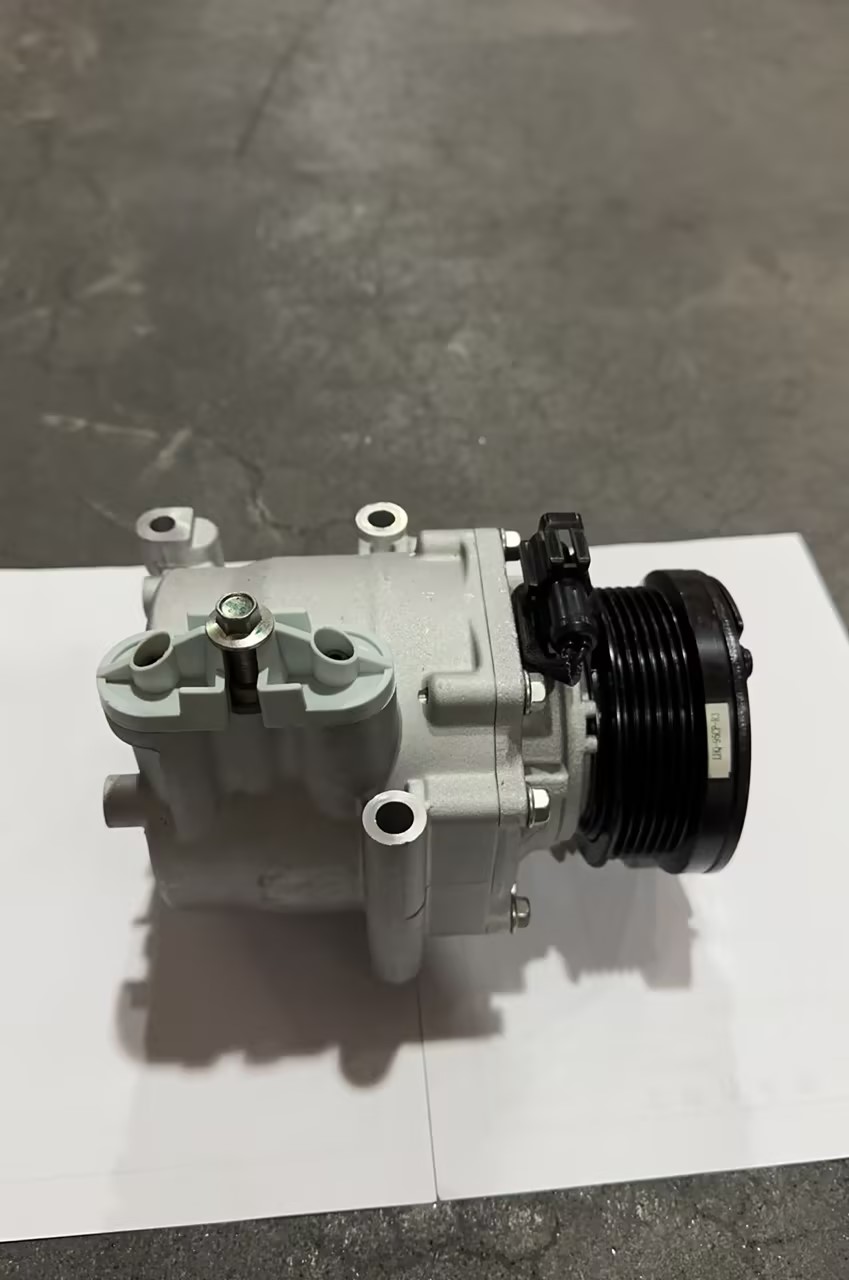
スクリューコンプレッサーとスクリューコンプレッサーのどちらを選ぶべきか?
最も効果的な選択プロセスは、コンプレッサーの名前や一般的な優位性の主張ではなく、システムの実際の用途から始まります。HVACや冷凍の場合、必要な冷却または暖房能力、冷媒、設計および運転圧力、周囲条件、予想される季節ごとの負荷、許容される音量レベルを確定します。圧縮空気用途の場合、作業圧力での必要な流量、空気品質クラス、一日の需要プロファイル、許容される圧力変動、設置環境、生産中断のコストを特定します。.
以下の意思決定フレームワークを初期スクリーニングツールとして使い、その後メーカーのデータとライフサイクルコスト評価で選択を確認してください。.
| 選択に関する質問 | スクリューコンプレッサーが適しているのは… | スクリューコンプレッサーが適しているのは… |
| 用途は何ですか? | システムは住宅または商業用HVACユニット、ヒートポンプ、またはコンパクトな冷凍システムです。. | システムは工業用圧縮空気を供給するか、より大規模なプロセス冷却業務を担います。. |
| どのくらいの容量が必要ですか? | 負荷は利用可能なスクリューモデルまたはモジュラー配置に合っています | 必要な流量または冷却能力は工業用スクリューパッケージに合っています |
| 需要はどのように変動しますか? | オンオフ、可変速、または段階的スクリューコントロールが負荷に合っています | 可変速またはアンロード制御は持続的または変動する需要を効率的に追跡できます |
| 音はどれほど重要ですか? | 低騒音とコンパクトな設置が主要な優先事項です | 騒音はパッケージ設計、筐体およびプラントレイアウトを通じて管理できます |
| 現場が対応できるメンテナンスはどのようなものですか? | 密封されたコンプレッサーパッケージとモデル固有のサービスアプローチが施設に適しています。. | 現場は選択された設計に必要な潤滑、濾過、冷却および監視システムを維持できます。. |
| 時間経過による最低コストの選択肢は何ですか? | 購入コスト、騒音、サービス性、運転時間はスクリューソリューションに有利です。. | 利用率が高いか工業用途の場合、スクリューパッケージは寿命を通じて経済的です。. |
購入前に、意図した運転条件での性能データを要求してください。電力入力、供給流量または冷却能力、部分負荷時の挙動、指定された騒音測定値などを含めます。有用なライフサイクルコスト比較には、購入価格、設置、電力、メンテナンス、消耗品、ダウンタイムリスク、期待される耐用年数が含まれます。圧縮空気プラントでは、漏れやシステム圧力を評価することも重要です。配管や制御の改善により、コンプレッサーの種類を変更するよりも多くのエネルギーを節約できる場合があります。.
スクリューとスクリューコンプレッサーを比較する際によくある間違い
よくある間違いは、異なる用途向けに設計されたコンプレッサーを直接代替可能であるかのように比較することです。例えば、ヒートポンプ向けに指定されたスクリューコンプレッサーと工業用スクリューコンプレッサーをモーター出力だけで比較するのは意味がありません。なぜなら、両者の作動流体、圧力条件、容量定格、システム境界が異なる場合があるからです。同じガスを使用していても、比較時には供給容量、運転圧力、制御方式、補助設備、実際の負荷プロファイルを考慮する必要があります。.
もう一つのよくある誤りは、可動部品が少ないほうが自動的に生涯コストが低いとか、大型機器の方が自動的に効率が高いと仮定することです。スクリューコンプレッサーはコンパクトなシステムにとって経済的なソリューションとなり得ますが、工業用スクリューコンプレッサーを複数の小型ユニットに置き換えると、接続、制御、メンテナンスポイントが増加する可能性があります。逆に、小さな間欠負荷に大きなスクリューコンプレッサーを導入すると、非効率な運転時間が長くなるかもしれません。最も信頼できる判断は、メーカーの性能データ、現実的な需要評価、総所有コスト計算を組み合わせたものになります。.
スクリュー対スクリューコンプレッサーFAQ
- スクリューコンプレッサーとスクロールコンプレッサーは同じですか?
いいえ、スクリューコンプレッサーは回転するらせん状のローターを使用するのに対し、スクロールコンプレッサーは互いに噛み合う二つの螺旋状の要素を用い、そのうち一方がもう一方の周りを周回します。どちらも体積を小さくすることでガスを圧縮しますが、その機械的設計と一般的な用途は異なります。.
- スクリューコンプレッサーとスクロールコンプレッサー、どちらが優れているでしょうか?
どちらが万能に優れているというわけではありません。適切な選択は必要な容量、運転条件、騒音制限、エネルギー効率、メンテナンス要件などによって異なります。スクロールコンプレッサーはHVACやコンパクトシステムでよく使われますが、スクリューコンプレッサーは産業用圧縮空気やプロセス冷凍設備で広く利用されています。.
- スクロールコンプレッサーはスクリューコンプレッサーに比べて静かですか?
スクロールコンプレッサーは一般に圧力脈動が少なく、静かに動作できるため、多くの騒音に敏感な設置環境に適しています。実際の音量レベルはモデル、モータ速度、筐体、冷却ファン、および設置条件により異なります。.
- どちらのコンプレッサーがよりエネルギー効率が高いですか?
エネルギー効率は圧縮機構だけではなく、運転圧力、負荷特性、コンプレッサーのサイズ、制御戦略、システム設計にも依存します。同等の運転条件下でのメーカーの性能データを比較し、部分負荷時の性能も評価に含めてください。.
- スクロールコンプレッサーはスクリューコンプレッサーに比べてメンテナンスが少なくて済みますか?
多くの密閉型スクロールコンプレッサーは定期的な内部点検が限られていますが、それでも適切なシステム運用とメンテナンスが必要です。スクリューコンプレッサーは、オイル注入式かオイルフリーかに応じて、潤滑、濾過、冷却および関連部品の定期的な大規模な保守作業を必要とする場合が多いです。.
- スクロールコンプレッサーはスクリューコンプレッサーを代替できますか?
スクロールコンプレッサーがスクリューコンプレッサーを代替できるのは、その容量、圧力範囲、作動流体、制御装置、および稼働サイクルがアプリケーションの要求を満たしている場合に限られます。高需要の産業システムでは、エンジニアは適切なサイズのスクリューパッケージと比較して複数のスクロールユニットを評価した上で代替を決定すべきです。.
結論
スクリューとスクロールのコンプレッサーはいずれもガスを圧縮するという基本的な役割を果たしますが、その異なるメカニズムにより、それぞれ異なる運転条件やシステム要件に適しています。スクロールコンプレッサーは、低騒音、コンパクトな構造、滑らかな動作が重要なHVACシステム、ヒートポンプ、コンパクトな冷凍システムでよく使用されます。一方、スクリューコンプレッサーは、産業用圧縮空気供給システムや、大容量または持続的な能力を必要とする厳しい冷凍用途で頻繁に利用されます。.
最も信頼性の高い選択には、コンプレッサー自体だけではなく、運転圧力、実際の需要、部分負荷時の効率、メンテナンス、設置条件、ライフサイクル全体のコストなど、さまざまな要素が影響します。測定可能なアプリケーション要件と確認済みのメーカーデータにコンプレッサーテクノロジーを適合させることで、設備購入者はより情報に基づいた意思決定ができ、無駄な容量や機能に費用を払うことを避けることができます。.