
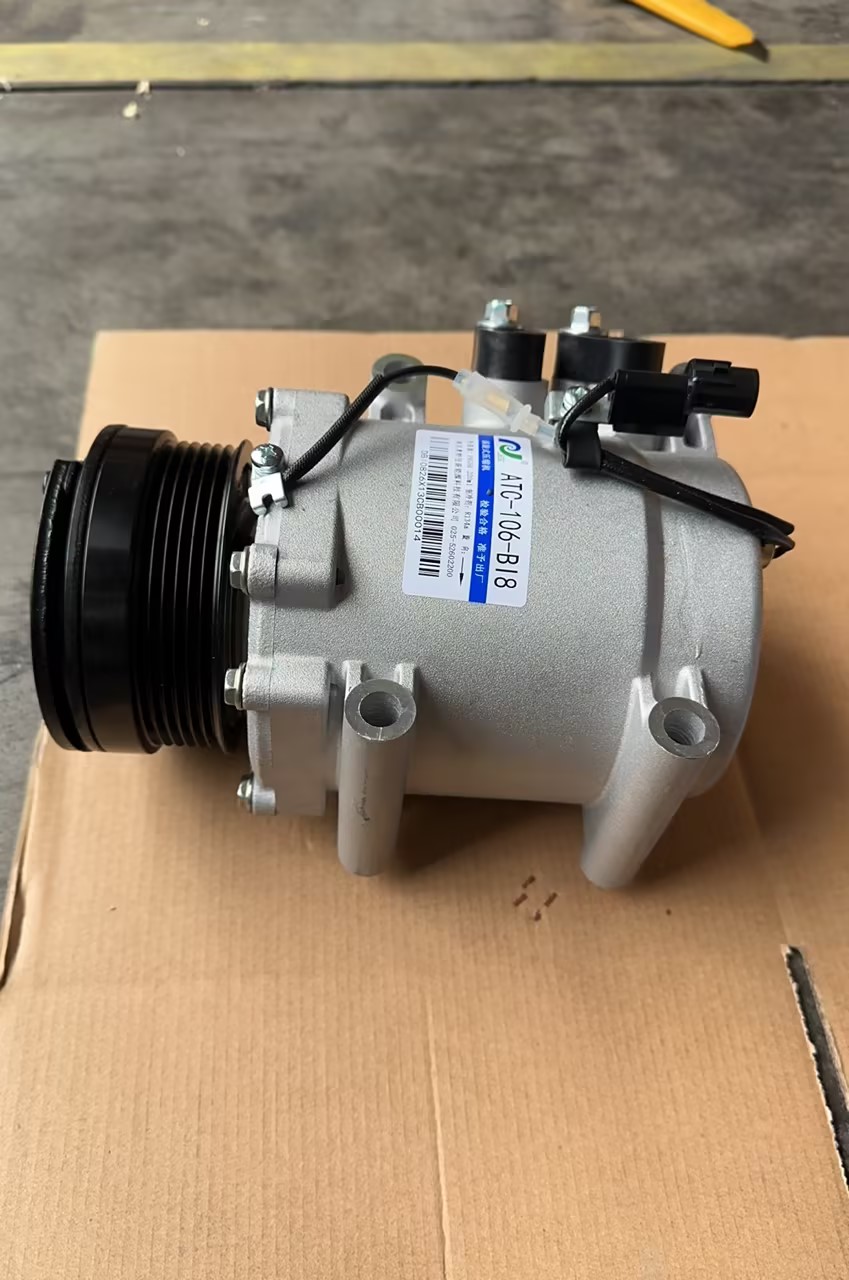
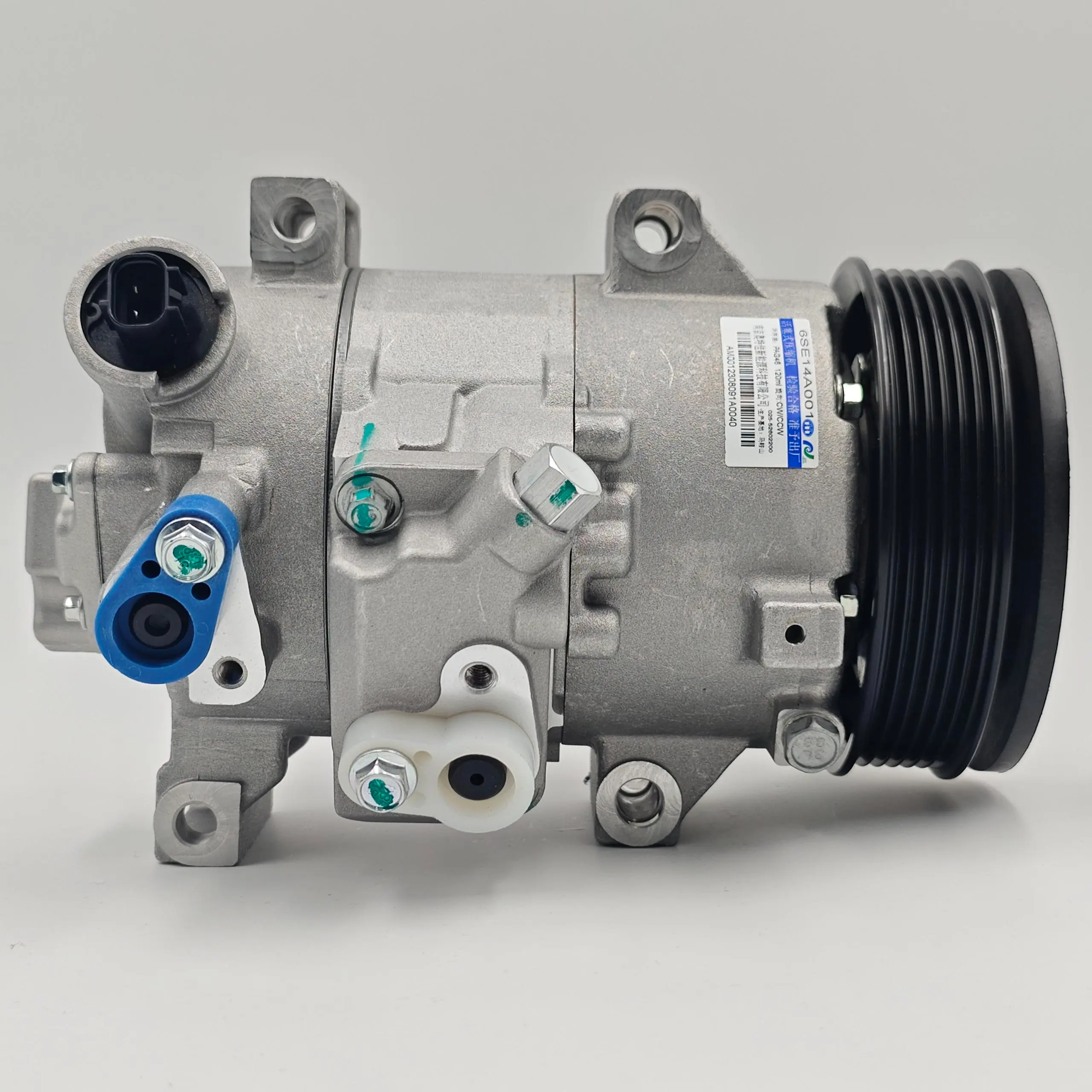
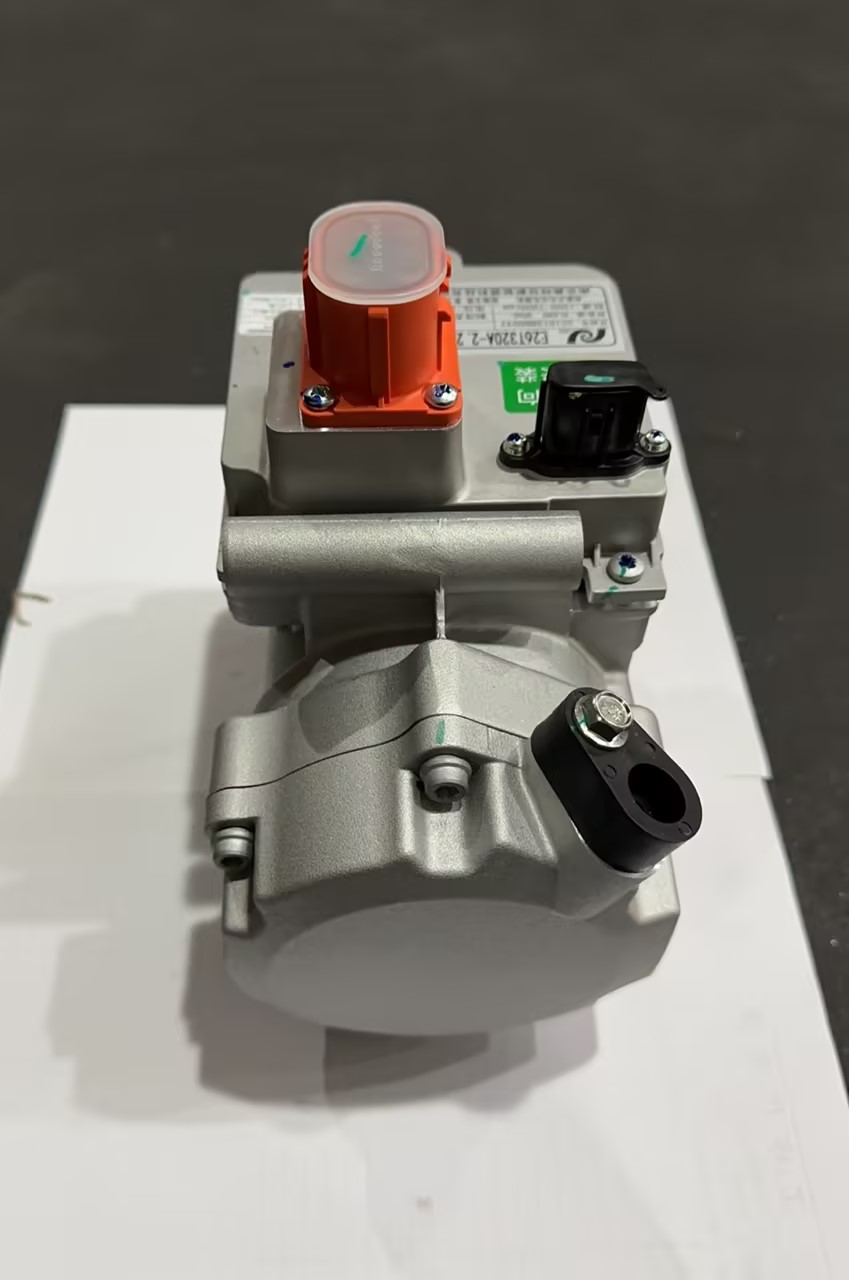
Automotive air conditioning (AC) systems are essential for ensuring passenger comfort and vehicle efficiency, especially in extreme weather conditions. There are two main types of automotive AC systems: manual and automatic climate control.
Manual systems enable drivers to manually adjust the temperature, fan speed, and airflow, whereas automatic systems use sensors and microcontrollers to maintain a preset cabin temperature without constant intervention (Smith et al., 2021; Automotive Engineering Journal, 2020). Understanding these differences enables automotive engineers, fleet operators, and consumers to evaluate system performance, maintenance requirements, and energy efficiency.
Introduction
The automotive air conditioning (AC) system has become an indispensable component in modern vehicles. While initially designed solely to cool the cabin, today’s systems integrate complex refrigeration cycles, electronic controls, and intelligent sensors. This evolution mirrors broader trends in vehicle technology, such as hybrid and electric powertrains, for which energy-efficient climate control is essential.
Automotive air conditioning systems perform several critical functions:
- Temperature regulation: They keep the cabin temperature within comfortable ranges.
- Humidity control: Preventing condensation and fogging.
- Air filtration: Reducing dust, allergens, and particulate matter.
- Defrosting: Clears windows quickly for safety in cold climates.
Manual and automatic systems differ in terms of the degree of control, complexity, and integration with vehicle electronics.
Manual Automotive AC Systems
Overview
Manual air conditioning systems, also known as conventional air conditioning systems, are found in entry-level or economy vehicles. The driver must manually adjust the temperature, fan speed, and airflow distribution.
Key components:
Compressor: Compresses the refrigerant to circulate it through the system.
Evaporator: Absorbs heat from the cabin air.
Condenser: Releases the absorbed heat to the outside environment.
Blower motor: Moves air through the vents.
Control panel: Manual knobs or sliders for adjusting the temperature and fan speed.
Advantages:
Low initial cost and maintenance.
Simple mechanical and electronic components.
It is easy to troubleshoot and repair without specialised equipment.
Limitations:
It requires constant driver attention to maintain comfort.
Less efficient in extreme climates.
Temperature consistency is limited.
Table 1: Manual AC System Components and Functions
| Component | Function | Maintenance Requirement |
| Compressor | Circulates refrigerant | Lubrication & belt check |
| Évaporateur | Absorbs cabin heat | Periodic cleaning |
| Condenser | Releases heat externally | Check for debris |
| Blower Motor | Distributes air | Inspection & lubrication |
| Control Knob | Adjusts temperature & airflow | Rarely needs replacement |
Performance in different climates
Manual air conditioning systems perform adequately in mild climates, but may struggle in extreme conditions. Drivers must continually adjust the settings, and cooling efficiency depends on compressor speed and refrigerant quality.
Maintenance and troubleshooting
Maintenance involves:
- Checking refrigerant levels annually.
- Cleaning or replacing the cabin air filter.
- Inspecting belts, hoses, and blower motor operation.
Manual systems are straightforward to service and often do not require diagnostic tools, making them practical for older vehicles or regions with limited service infrastructure.
Automatic (Climate Control) AC Systems
Overview
Automatic air conditioning (AC) systems, also known as climate control systems, maintain a pre-set temperature automatically. They use sensors to monitor the temperature, humidity, and level of sunlight in the cabin, adjusting the activity of the compressor, the speed of the fan, and the distribution of the airflow without manual intervention.
Key components:
Cabin temperature sensors: Measure internal air temperature.
Humidity sensors: Monitor moisture levels to prevent fogging.
Microcontroller Unit (MCU): Regulates the compressor and blower based on sensor input.
Multi-zone control: Provides independent temperature zones for the driver and passengers.
Automatic fan and vent control: Adjusts airflow for optimal comfort.
Advantages:
Consistently maintains the desired cabin temperature.
It reduces driver workload and enhances convenience.
It can also optimise energy usage in hybrid and electric vehicles.
Limitations:
Higher installation and repair costs.
Specialised diagnostic equipment is required for troubleshooting.
Failure of the sensor or microcontroller can disrupt the entire system.
Table 2: Features of Automatic AC Systems
| Caractéristique | Function | Benefit |
| Cabin Temperature Sensor | Monitors internal temperature | Maintains consistent comfort |
| Humidity Sensor | Detects moisture in the cabin | Prevents windshield fogging |
| Microcontroller | Controls compressor & blower | Optimizes performance & efficiency |
| Multi-Zone Control | Independent temperature zones | Enhances passenger comfort |
| Auto Fan & Vent Control | Adjusts airflow automatically | Reduces energy consumption and noise |
Multi-zone systems
High-end vehicles often feature multi-zone climate control, which allows passengers to select different temperatures in various sections of the cabin. For example, a family SUV might enable the driver, front passenger, and rear passengers to set different temperatures.
Integration with vehicle systems
Automatic air conditioning systems often interface with:
- Engine Control Units (ECUs) to optimise cooling and energy consumption.
- Hybrid or electric battery management systems to reduce energy drain;
- Infotainment systems for user-friendly climate control interfaces.
System Comparison
| Aspect | Manual AC System | Automatic AC System |
| User Control | Manual adjustment required | Maintains set temperature automatically |
| Energy Efficiency | Moderate | High due to optimized operation |
| Complexity | Simple mechanical/electronic | Complex electronics and sensors |
| Maintenance Cost | Lower | Higher due to sensors & MCU |
| Comfort Consistency | Varies | Consistent temperature |
| Cost | Affordable | Premium cost |
Compressor Types in Automotive AC
Both manual and automatic air conditioning (AC) systems rely on compressors, which can be:
Reciprocating compressors: Widely used and mechanically simple.
Scroll compressors: Quieter and more efficient; often found in automatic AC systems.
Rotary compressors: Compact and suitable for smaller vehicles and electric vehicles (EVs).
The type of compressor chosen affects cooling performance, noise levels, and energy efficiency.
Maintenance Best Practices
Proper maintenance ensures longevity and efficiency.
Annual refrigerant check and top-up.
Replace the cabin air filter every 10,000–15,000 km.
Cleaning of the evaporator and condenser.
Belts, hoses, and electrical connectors should be inspected.
Automatic system calibration for sensors and MCU updates.
Table 3: Recommended AC Maintenance Schedule
| Component | Frequency | Notes |
| Refrigerant | Annually | Top up if low, check for leaks |
| Cabin Air Filter | 10,000–15,000 km | Prevents dust & allergens |
| Blower Motor | 20,000 km | Lubricate and inspect for wear |
| Condenser | Annual | Remove debris and check for damage |
| Sensors & MCU | Annual | Calibration and software updates |
How to Choose an Automotive AC System?
Selecting the right automotive air conditioning (AC) system involves balancing comfort, efficiency, cost, and vehicle type. Manual and automatic (climate control) systems are both widely used, and the choice affects passenger comfort, energy consumption, and overall vehicle performance.¹
Determine your cooling requirements.
Cabin size and vehicle type:
Small cars/compact vehicles: standard manual AC is usually sufficient.
SUVs/large vehicles: consider automatic climate control for even cooling.
Climate considerations
Hot, humid regions: prioritise high-capacity compressors and multi-zone airflow.
In mild climates, manual AC may be adequate, reducing cost and complexity.
Decide Between Manual and Automatic AC
| Caractéristique | Manual AC | Automatic / Climate Control |
| Operation | The driver adjusts fan speed and temperature manually | System adjusts fan speed, temperature, and airflow automatically |
| Comfort | Less consistent, requires attention | Maintains stable cabin temperature automatically |
| Cost | Lower upfront and maintenance costs | Higher cost, slightly more complex maintenance |
| Energy Efficiency | Slightly higher consumption due to manual operation | Optimized for fuel or energy efficiency |
| Ideal Users | Budget-conscious buyers | Drivers valuing comfort and convenience |
Select the appropriate compressor type
The type of compressor selected affects efficiency, noise levels, and material compatibility.
Reciprocating compressors: Reliable and low-cost, suitable for manual air conditioning and standard cooling needs.
Scroll compressors: Quiet, efficient, and smooth; ideal for automatic climate control and premium vehicles.
Rotary compressors: Compact and lightweight, they are preferred in electric and hybrid vehicles for energy efficiency.
Consider energy consumption
For electric vehicles, choose systems with low-energy compressors (scroll or rotary).
For ICE vehicles, the compressor type and AC system design affect engine load and fuel efficiency.
Evaluate features and comfort enhancements:
Multi-zone climate control: separate temperature zones for the driver and passengers.
Air quality controls: HEPA or activated carbon filters.
Quick cooling/defrost modes are beneficial in extreme climates.
Maintenance and reliability
Manual air conditioning systems are simpler and easier to maintain.
Automatic air conditioning and high-efficiency compressors require regular servicing, including refrigerant checks and system calibration.
Market Trends and Suppliers
The global automotive air conditioning (AC) market is dominated by companies such as:
Denso (Japan): – OEM supplier for hybrid and electric vehicles.
Valeo (France): – offers advanced automatic climate control systems;
Sanden (Japan): Specialises in compressors for manual and automatic systems.
Emerging trends include:
- Integration with EV heat pumps.
- Smart climate systems linked to mobile apps.
- Energy-optimised compressors for fuel efficiency.
Frequently Asked Questions (FAQ)
Q1: Can manual AC be upgraded to automatic?
A1: Technically possible but requires extensive wiring, sensor installation, and ECU programming; generally cost-prohibitive.
Q2: How often should automotive AC be serviced?
A2: Annual inspection recommended; include refrigerant check, filter replacement, and sensor calibration for automatic systems.
Q3: Which system is more energy-efficient?
A3: Automatic systems optimize compressor and fan operation, making them more efficient in modern vehicles.
Q4: Are automatic AC systems more prone to breakdown?
A4: Slightly, due to electronic complexity, but proper maintenance minimizes risk.
Q5: How do EVs handle AC differently?
A5: EVs use energy-efficient compressors and heat pump integration to reduce battery load.
Q6: What are common AC system failures?
A6: Refrigerant leaks, compressor wear, sensor failure, blower motor issues; manual systems are easier to troubleshoot.
Conclusion
Manufacturers, technicians, and consumers need to understand the two main types of automotive air conditioning (AC) systems: manual and automatic. Manual systems are more affordable and simple to use, while automatic systems offer convenience, consistent comfort, and energy efficiency. To optimise performance and longevity, it is crucial to perform proper maintenance, select the right system, and be aware of market trends.
Those seeking high-performance automotive AC components should look to industry-leading suppliers such as Denso, Valeo, and Sanden. The right system for a vehicle depends on its type, usage patterns, and comfort expectations.