
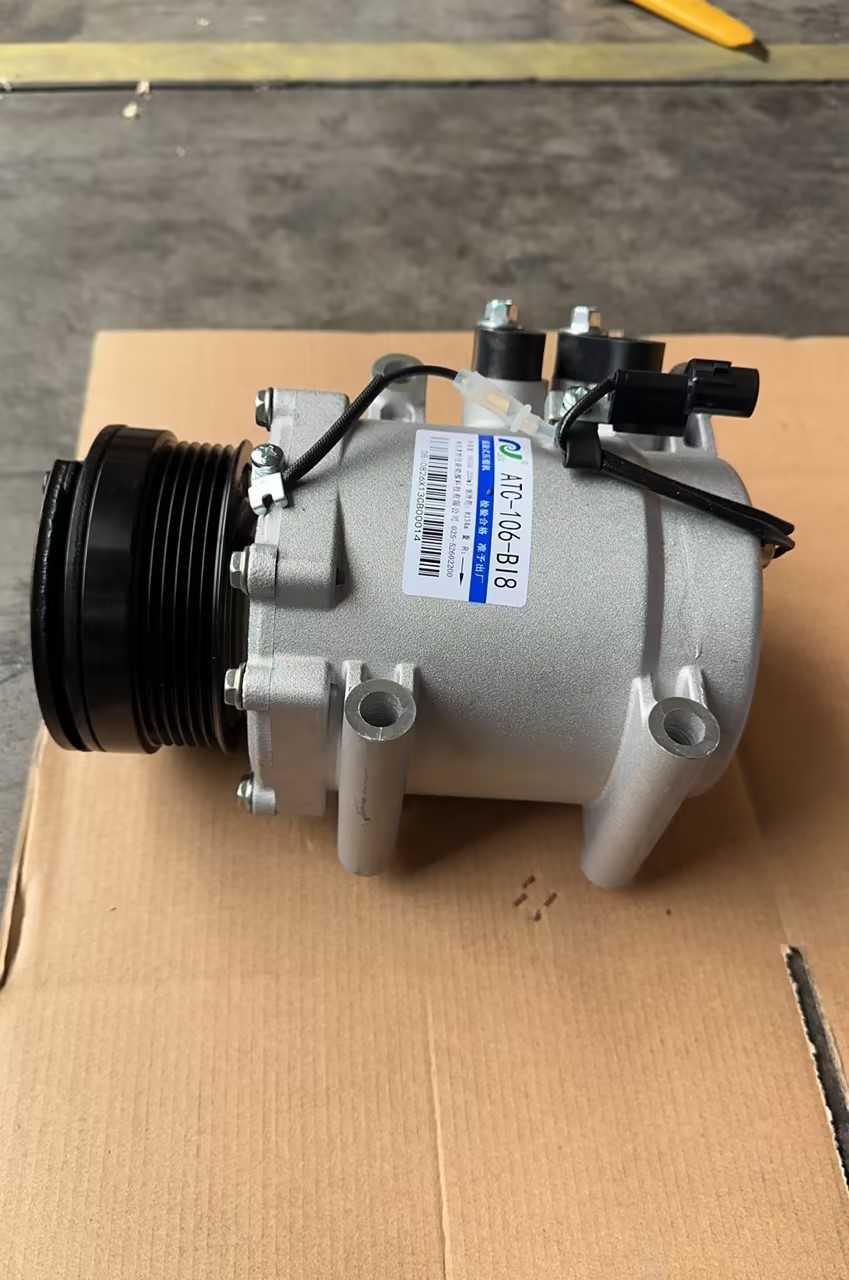
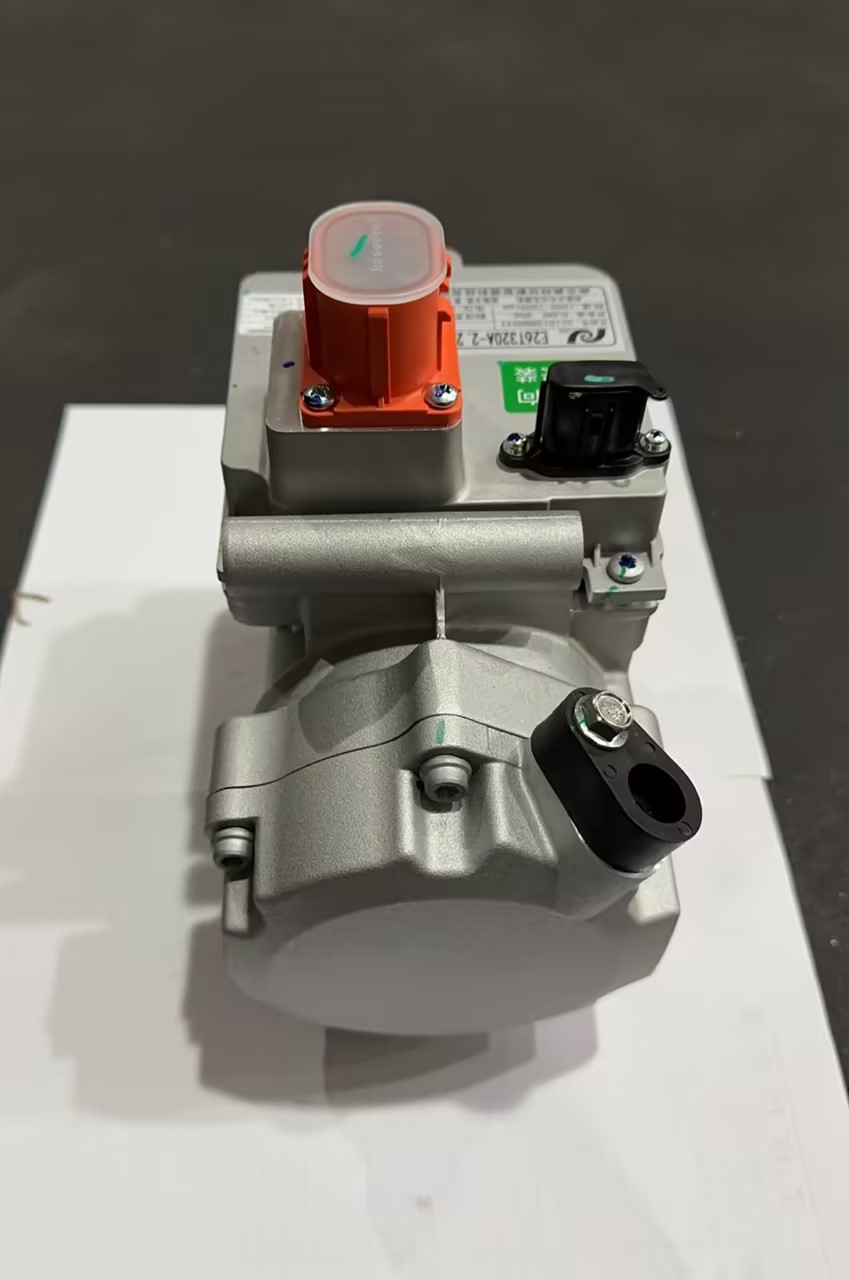
Article Summary: A Kolbenkompressor, also known as a reciprocating air compressor, draws air into a cylinder, compresses it by moving a piston back and forth, and delivers the pressurised air to a storage tank or connected pneumatic system. To operate one safely and efficiently, operators must check the equipment before starting up, follow the manufacturer’s operating instructions, monitor pressure and temperature, drain accumulated condensate, and perform scheduled maintenance in accordance with guidance such as the compressed-air safety requirements of the U.S. Occupational Safety and Health Administration (OSHA) and the U.S. Department of Energy’s Improving Compressed Air System Performance: A Sourcebook for Industry.
What Is a Piston Compressor?
A piston compressor is a positive-displacement machine that increases the pressure of air or gas by reducing its volume inside a cylinder. It uses a piston connected to a crankshaft to convert the rotational motion of an electric motor or engine into reciprocating movement. During the intake stroke, the piston creates a pressure difference that allows air to enter the cylinder through an intake valve. During the compression stroke, the piston moves in the opposite direction, reducing the available volume and increasing the pressure until the discharge valve opens.
Piston compressors are widely used in automotive workshops, manufacturing plants, construction sites, maintenance facilities and small-scale industrial production systems. They can supply compressed air for pneumatic tools, spray equipment, tyre inflation, cleaning applications and selected process operations. They are popular due to their relatively straightforward mechanical design, broad availability across different capacities, and the ability of suitable models to deliver the required pressure for demanding intermittent or continuous-duty applications.
However, not every piston compressor is suitable for every task. A small, portable unit may be adequate for occasional tyre inflation or light workshop use, whereas industrial production may require a larger compressor, an air receiver, aftercooling, filtration and moisture management. Selecting the right machine requires more than just comparing horsepower or maximum pressure; operators must also consider factors such as actual airflow demand, duty cycle, air quality, operating environment and the requirements of the connected equipment.
The U.S. Department of Energy’s Improving Compressed Air System Performance: A Sourcebook for Industry emphasizes the importance of evaluating compressed air as a complete system rather than treating the compressor as an isolated machine. This principle is especially useful when operating a piston compressor because leaks, inappropriate pressure settings, poor maintenance, and inadequate condensate management can reduce system efficiency even when the compressor itself is functioning correctly.
Understand the Main Components Before Operating a Piston Compressor
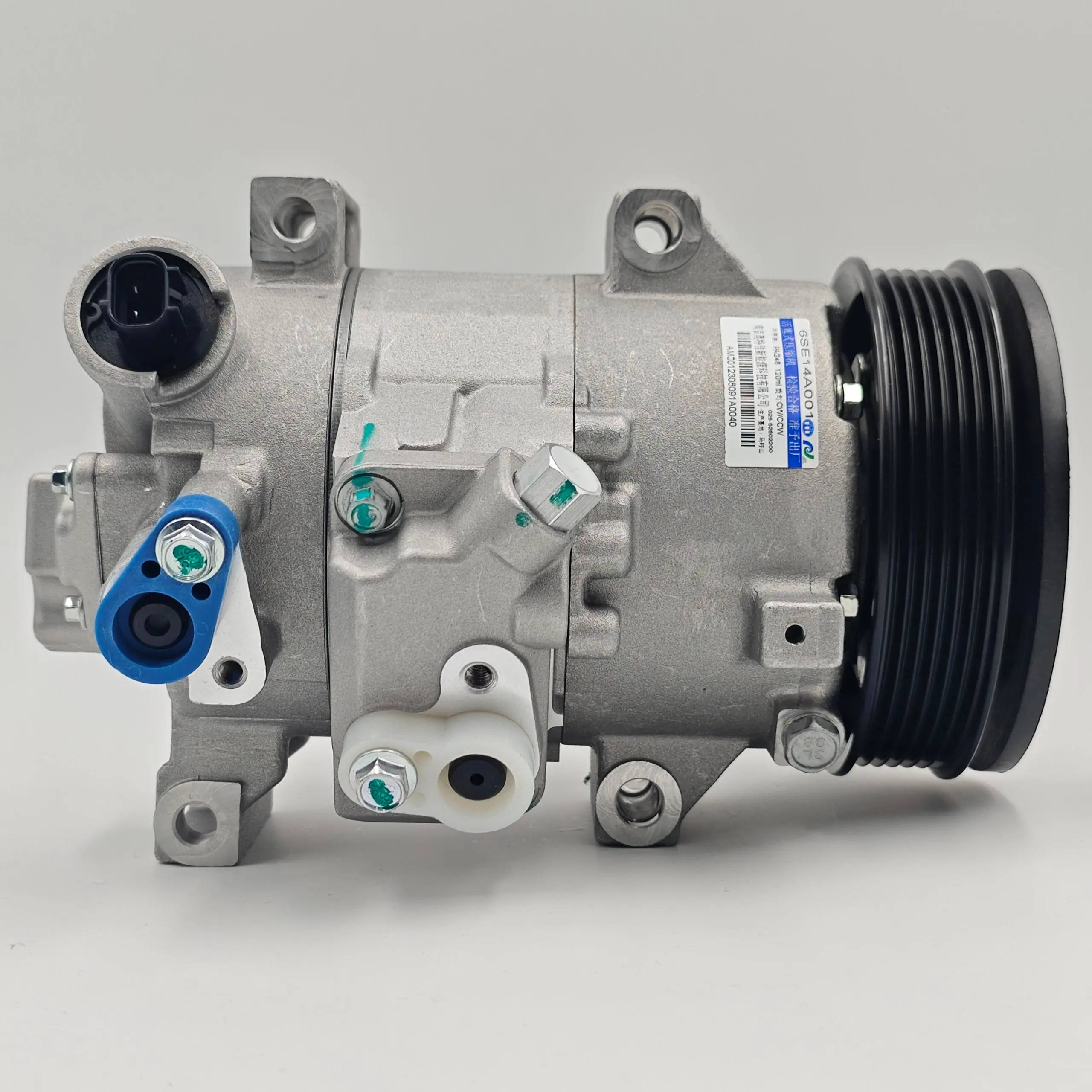
Before operating a piston compressor, it is important to understand how its major components work together. While designs may differ, most air compressors comprise an intake filter, a cylinder and piston assembly, valves, a crankcase, a drive motor, a pressure switch or controller, a discharge line, and an air receiver. Larger systems may also include an aftercooler, a moisture separator, an air dryer and additional filtration equipment. Understanding the function of each component makes it easier to identify abnormal operating conditions and avoid mistakes during start-up or routine use.
The intake filter prevents dust and other airborne particles from entering the compression chamber, while the piston and cylinder perform the compression process itself. The intake and discharge valves control the direction of airflow, and the motor supplies the mechanical energy needed to drive the crankshaft. The air receiver stores compressed air and helps to accommodate differences between compressor output and downstream demand. A pressure gauge indicates system pressure, while the pressure switch or controller manages compressor cycling according to the equipment’s design.
Safety devices are equally important. The pressure relief valve protects the receiver against excessive pressure, and the receiver’s drain allows accumulated water and oil to be removed. OSHA’s general industry standard (29 CFR 1910.169) specifies requirements for air receivers, including pressure gauges, spring-loaded safety valves, and accessible drainage provisions. Operators must never bypass, obstruct, or install a shutoff valve between these devices and the receiver’s required safety valve.
How to Use a Piston Compressor: Step-by-Step Instructions
Operating a piston compressor safely requires a consistent procedure rather than simply switching on the motor and connecting a tool. The exact sequence varies by model, so the manufacturer’s manual takes priority over general instructions. The following workflow applies broadly to conventional workshop and industrial compressed-air systems, provided it is consistent with the specific equipment design.
Step 1: Inspect the Compressor Before Startup
Place the compressor in a suitable, well-ventilated location with sufficient clearance around its cooling surfaces and ventilation openings. Check that the machine is stable, the power supply is appropriate, the intake filter is clean, and the receiver, hoses, fittings, and visible pipework show no signs of damage. For oil-lubricated models, verify the oil level using the method specified by the manufacturer; oil-free models should not be filled with compressor oil. Also inspect the pressure gauge, guards, electrical connections, drain arrangement, and accessible safety devices without dismantling pressurized components.
Before energizing the machine, confirm that the intended application is compatible with the compressor’s rated pressure and airflow. Pneumatic tools often specify both a pressure requirement and an airflow demand, so a compressor that reaches the required pressure may still be too small to operate the tool continuously. Check that the connected accessories are rated for the system pressure and that the equipment is positioned away from combustible materials, excessive heat, and potential sources of harmful fumes.
Step 2: Check the Oil and Condensate Management System
For an oil-lubricated piston compressor, lubrication reduces friction and wear between moving components. Use only the lubricant grade specified by the manufacturer, and never exceed the recommended level. Insufficient oil, unsuitable lubricant, or neglected oil changes can increase operating temperature and accelerate mechanical wear; excessive oil may also cause operational problems depending on the compressor design.
Water vapor in incoming air can condense as the compressed air cools. This moisture may collect in the receiver, downstream filters, and pipework, potentially contributing to corrosion or affecting the quality of the delivered air. Before startup, check that drains and condensate separators are correctly installed and functional. Do not open a drain or remove a component unless the procedure is safe for the system’s current pressure condition and follows the manufacturer’s instructions.
Step 3: Start the Compressor Correctly
Once the pre-start inspection is complete, start the compressor using its designated switch or controller. Some units use direct-on-line starting, while larger models may use other motor-control arrangements, so the startup procedure and electrical requirements must match the installed system. Observe the machine during initial operation and listen for unusual knocking, grinding, excessive vibration, or repeated starting attempts. Stop the compressor if a significant abnormality appears rather than allowing it to continue operating in the hope that the noise will disappear.
During startup, the machine may take time to build receiver pressure. Check that the pressure gauge responds normally and that the compressor’s automatic control system behaves as expected. Do not adjust pressure switches, defeat protective controls, or alter the relief valve setting to accelerate pressurization. If the compressor fails to build pressure, cycles unusually often, or trips its electrical protection, investigate the cause using the troubleshooting instructions or seek qualified service.
Step 4: Connect the Air Tool and Set the Working Pressure
Once the system is operating normally, connect the intended air tool using compatible, pressure-rated fittings and hoses. Isolate the air supply and release pressure from the relevant connection before attaching or changing accessories, following the manufacturer’s procedure. If the system includes a regulator, adjust the downstream pressure to the value required by the tool while monitoring the gauge under the conditions specified by its manufacturer.
The compressor’s receiver pressure and the tool’s working pressure are not necessarily the same. Pressure losses can occur through hoses, filters, regulators, and fittings, especially when airflow demand is high. For this reason, check the pressure at the point of use when performance is inadequate instead of automatically raising the compressor’s pressure setting. Operating at unnecessarily high pressure increases energy consumption and can place additional stress on the equipment.
Step 5: Monitor Operation During Use
While the compressor is running, monitor pressure, temperature, vibration, noise, and the frequency of loading and unloading or motor cycling. A compressor that runs almost continuously may be undersized for the demand, affected by leaks, or experiencing a mechanical problem. Similarly, frequent short cycles may indicate a control issue, an unsuitable receiver arrangement, or an air demand pattern that does not match the system’s capacity.
Use the air tool only for its intended purpose and follow its safety instructions. Never direct compressed air toward a person’s skin or eyes, and do not use compressed air to clean clothing or the body. Where blow-off cleaning is permitted, use suitable protective measures and a purpose-designed nozzle and pressure arrangement that comply with applicable workplace safety requirements.
Step 6: Shut Down and Depressurize When Required
When work is complete, switch off the compressor using its normal stopping procedure and isolate the electrical supply if required. Close the appropriate downstream supply valve where the system design calls for it, then release pressure from the tool or hose through the intended control mechanism. Never disconnect a pressurized hose by force, loosen a fitting to vent the system, or remove a component while it remains under pressure.
If maintenance is planned, follow the manufacturer’s isolation procedure and applicable lockout/tagout requirements. Electrical isolation alone is not enough if compressed air remains trapped in the receiver, pipework, or machine components. Confirm that all relevant energy sources have been isolated and that pressure has been safely released before beginning work.
Operating Parameters That Affect Performance
Correct operation depends on matching the compressor’s capacity and pressure to the actual demand. Maximum pressure, airflow, motor power, receiver volume, and duty cycle describe different aspects of performance and should not be treated as interchangeable measures. For example, a compressor with a large receiver may supply a short burst of air even when its continuous output is modest, but the receiver cannot compensate indefinitely for insufficient compressor capacity.
| Operating factor | What to check | Why it matters |
| Working pressure | Tool requirements and regulator setting | Prevents overpressure and poor tool performance |
| Airflow capacity | Delivered airflow under specified conditions | Determines whether the compressor can meet demand |
| Duty cycle | Manufacturer’s permitted operating pattern | Helps prevent overheating and excessive wear |
| Receiver capacity | Storage volume and pressure range | Supports short-term demand fluctuations |
| Lubrication | Correct oil level and specified lubricant | Protects moving components in oil-lubricated models |
| Condensate removal | Receiver drain and moisture separators | Reduces liquid accumulation and corrosion |
| Air quality | Required filtration and drying | Protects tools and processes from contamination |
| Leakage | Hoses, fittings, valves, and connections | Reduces energy waste and pressure instability |
A practical way to assess system suitability is to compare the compressor’s delivered airflow with the combined demand of the connected equipment. Use the manufacturer’s rated performance data and account for simultaneous tool operation, expected operating duration, and pressure losses. If demand varies significantly throughout the day, receiver capacity and control strategy may help manage peaks, but they should not be used to disguise an undersized compressor.
Piston Compressor Maintenance for Reliable Operation
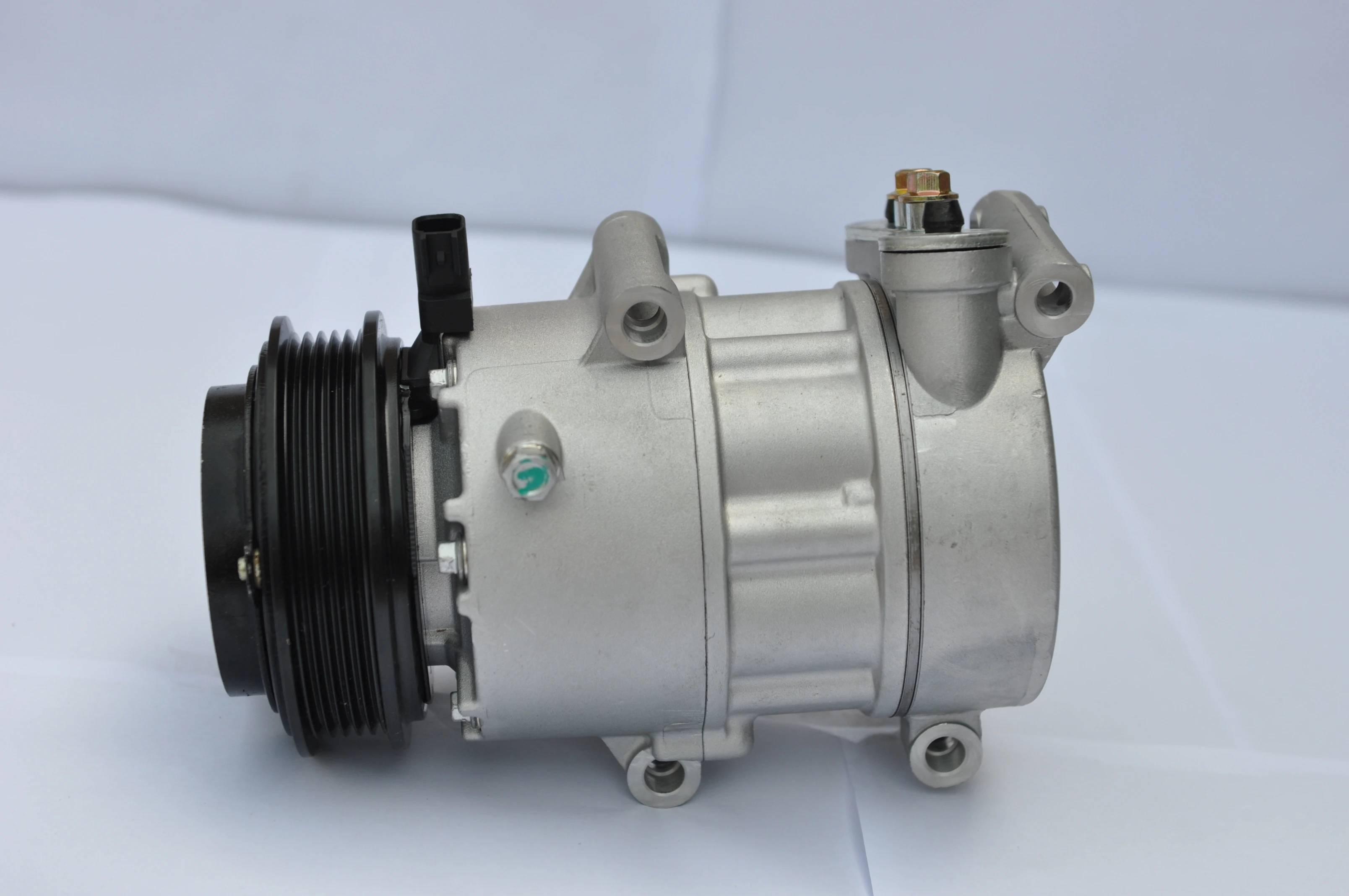
Routine maintenance ensures that a piston compressor operates efficiently and helps to identify problems before they result in unplanned downtime. The U.S. Department of Energy’s ‘Improving Compressed Air System Performance: A Sourcebook for Industry’ recommends maintenance practices such as inspecting filters, checking lubricant levels where applicable, locating air leaks, and adhering to manufacturer-specific service schedules. While the same principles apply to piston compressors, the exact tasks and intervals depend on factors such as design, operating hours, environment, and service conditions.
Operators should establish a maintenance log that records operating hours, oil changes, filter replacements, condensate removal, any abnormal observations, and any service work carried out. Daily or pre-use checks may include a visual inspection, taking pressure readings, listening for unusual noises, and checking for obvious leaks, while more detailed inspections should follow the manufacturer’s schedule. Receiver drains must be managed at sufficient intervals to prevent excessive liquid accumulation. Automatic drains should also be checked, as a blocked or failed drain can allow moisture to build up unnoticed.
Maintenance must be performed with the compressor isolated and depressurised according to the applicable procedure. Never assume that a stopped machine is safe to service, as an automatic control system may restart it and compressed air may remain trapped in the equipment. For industrial installations, follow the site’s lockout/tagout procedure, and ensure that tasks involving electrical systems, pressure vessels, safety valves, or internal mechanical components are performed by qualified personnel.
Common Piston Compressor Problems and Troubleshooting
A piston compressor that fails to deliver expected performance may have a simple issue, such as a blocked intake filter or leaking connection, or a more serious fault involving valves, piston rings, lubrication, or the control system. Troubleshooting should begin with observable symptoms and non-invasive checks, with the equipment shut down and isolated before any inspection that exposes moving parts or pressurized components.
| Problem | Possible causes | Recommended first action |
| Compressor does not start | Power supply fault, overload trip, pressure control issue | Check the supply and controller according to the manual |
| Pressure builds slowly | Air leaks, blocked intake filter, excessive demand | Check accessible connections and filter condition |
| Compressor runs continuously | Demand exceeds capacity, leaks, control fault | Compare airflow demand with rated output |
| Excessive heat | Poor ventilation, incorrect lubrication, high duty cycle | Stop if overheating occurs and inspect operating conditions |
| Ungewöhnliche Geräusche oder Vibrationen | Loose mounting, worn components, mechanical fault | Stop the machine and arrange inspection |
| Water in the air line | Condensate accumulation, inadequate drying | Check drains, separators, and air-treatment requirements |
Do not continue operating a compressor that shows signs of overheating, severe vibration, damaged wiring, abnormal pressure behavior, or a suspected safety-device failure. Avoid dismantling the cylinder head, pressure switch, or relief valve as an initial troubleshooting step. If a basic check does not identify the cause, refer the issue to qualified service personnel.
Frequently Asked Questions About Piston Compressors
Q1. How do you use a piston compressor?
Inspect the machine, confirm lubrication where applicable, check the hoses and safety devices, and start it according to the manufacturer’s instructions. Set the downstream pressure to the tool’s requirements and monitor the compressor while it operates.
Q2. How much pressure should a piston compressor produce?
The correct pressure depends on the compressor’s rated operating range and the connected tool or process. Never exceed the pressure rating of the compressor, receiver, hoses, fittings, or downstream equipment.
Q3. Does a piston compressor need oil?
Oil-lubricated piston compressors require the specified lubricant at the correct level and maintenance interval. Oil-free models are designed to operate without cylinder lubrication in the same way, so always follow the specific model’s instructions.
Q4. How often should you drain a piston compressor tank?
Drain the receiver frequently enough to prevent excessive condensate accumulation, following the manufacturer’s guidance and applicable requirements. Actual frequency depends on humidity, operating hours, air temperature, and whether an automatic drain is installed.
Q5. Why does my piston compressor run but not build pressure?
Common causes include intake restrictions, air leaks, damaged valves, worn piston rings, or excessive downstream demand. Check the accessible items first and arrange qualified service if the problem persists.
Q6. How can I make a piston compressor more energy-efficient?
Repair air leaks, maintain filters and lubrication systems, use only the pressure required by the application, and select a compressor with sufficient delivered airflow for the real demand. A properly maintained system with suitable controls generally operates more efficiently than one that compensates for poor maintenance by running at excessive pressure.
Fazit
To use a piston compressor effectively, it is necessary to perform the correct start-up procedure, adjust the pressure appropriately, monitor operating conditions, and carry out preventive maintenance. Operators should understand the relationship between compressor capacity and air tool demand, ensure that safety devices are functional, manage condensate, and isolate and depressurise the system before carrying out maintenance. Following these practices helps to reduce unnecessary energy consumption, protect equipment and improve operational reliability.
The most important principle for workshops and industrial facilities is to treat the piston compressor as part of a complete compressed air system. Consistent performance is delivered by a correctly sized machine, a well-maintained receiver, suitable air treatment, a leak-free distribution network, and trained operators working together. Always refer to the manufacturer’s manual for operating instructions and ensure that the installation complies with all applicable workplace safety requirements.