
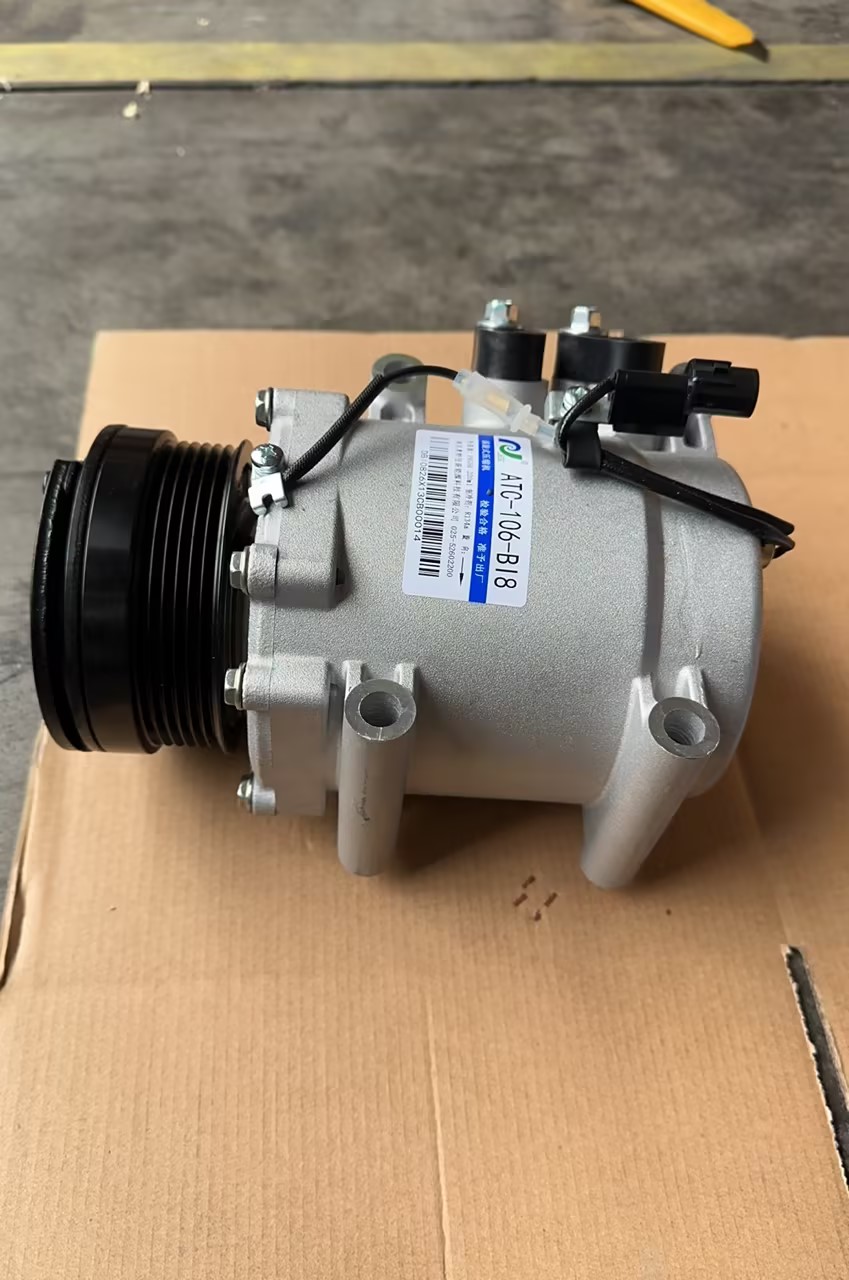
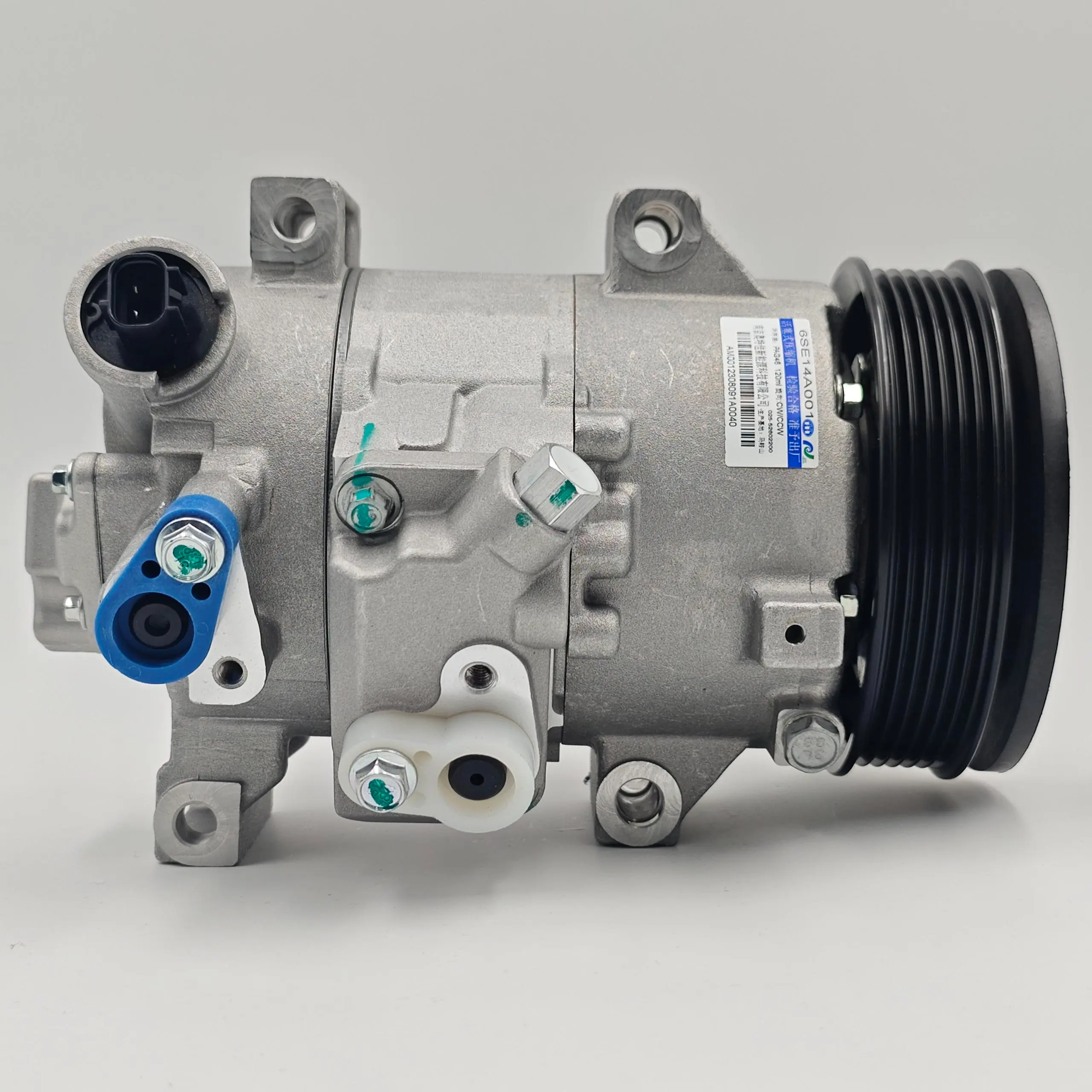
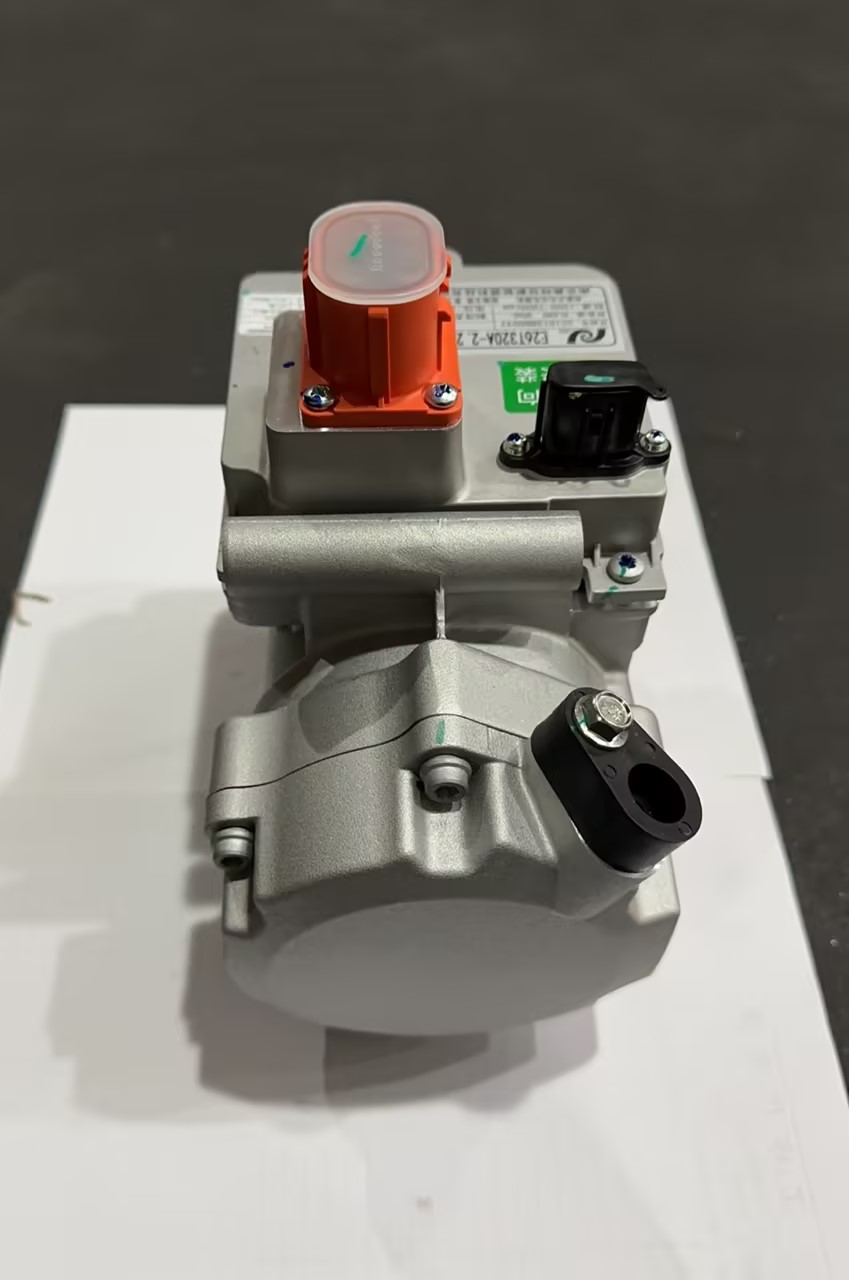
The automotive AC compressor is the core mechanical component of a vehicle’s air conditioning system, responsible for compressing and circulating refrigerant through the cooling loop. According to the SAE International Handbook and research published in the International Journal of Refrigeration, testing the performance of the compressor is essential for diagnosing issues such as cooling inefficiency, abnormal noise, and system pressure imbalance. This is because most failures of AC systems originate from mechanical wear, clutch malfunction, or instability in the flow of refrigerant. Proper testing involves evaluating clutch engagement, pressure readings, electrical signals, and mechanical resistance under controlled conditions.
Introduction
Modern automotive climate control systems rely heavily on the air conditioning (AC) compressor, a precision mechanical device that pressurises the refrigerant to enable heat exchange within the air conditioning cycle. Without a properly functioning compressor, the entire HVAC system becomes ineffective, resulting in poor cabin comfort, fogging issues, and reduced driving safety in extreme weather conditions.
By 2026, automotive air conditioning systems had become more advanced, integrating electronically controlled variable displacement compressors, smart sensors, and ECU-driven climate management systems. While these advancements improve efficiency and fuel economy, they also make diagnostics more complex. Testing an automotive AC compressor now requires a systematic evaluation of electrical, mechanical, and thermodynamic performance, rather than simply checking whether cold air is produced.
This guide provides a comprehensive, professional-level breakdown of how to test an automotive AC compressor. It covers diagnostic methods and tools, symptoms of failure, pressure analysis, electrical testing, and industry-standard troubleshooting workflows used by mechanics and automotive engineers.
What Is an Automotive AC Compressor?
The automotive air conditioning (AC) compressor is a pump driven by a belt or electricity that compresses low-pressure refrigerant gas into high-pressure gas. This enables heat to be dissipated through the condenser.
Core functions:
- Compress refrigerant gas
- Circulate refrigerant through the AC loop
- Maintain pressure differential
- Support cooling cycle efficiency
Without compression, refrigerant cannot absorb and release heat effectively.
Types of Automotive AC Compressors
Understanding the different types of automotive AC compressors is essential before performing diagnostics or testing, as each type operates with distinct control methods, efficiency levels, and applications.
-
Fixed Displacement Compressor
A fixed displacement compressor delivers a constant pumping volume whenever it is engaged.
Key characteristics:
- Fixed refrigerant compression rate
- Operates via on/off clutch engagement
- Output does not adjust to cooling demand
Common usage:
Older or entry-level vehicle models
Advantages:
- Simple design
- Easy to repair and diagnose
- Lower manufacturing cost
Limitations:
- Less energy efficient
- Higher fuel consumption due to constant load when engaged
- Less precise temperature control
-
Variable Displacement Compressor
Variable-displacement compressors can dynamically adjust their pumping capacity based on cooling demand.
Key characteristics:
- Electronically or mechanically controlled displacement
- Continuous operation without frequent clutch cycling
- Output varies according to cabin temperature requirements
Common usage:
Modern internal combustion engine vehicles
Advantages:
- Improved fuel efficiency
- Smoother and more stable cooling performance
- Reduced compressor wear due to fewer on/off cycles
Limitations:
More complex design
Higher repair and diagnostic difficulty
Increased system cost
-
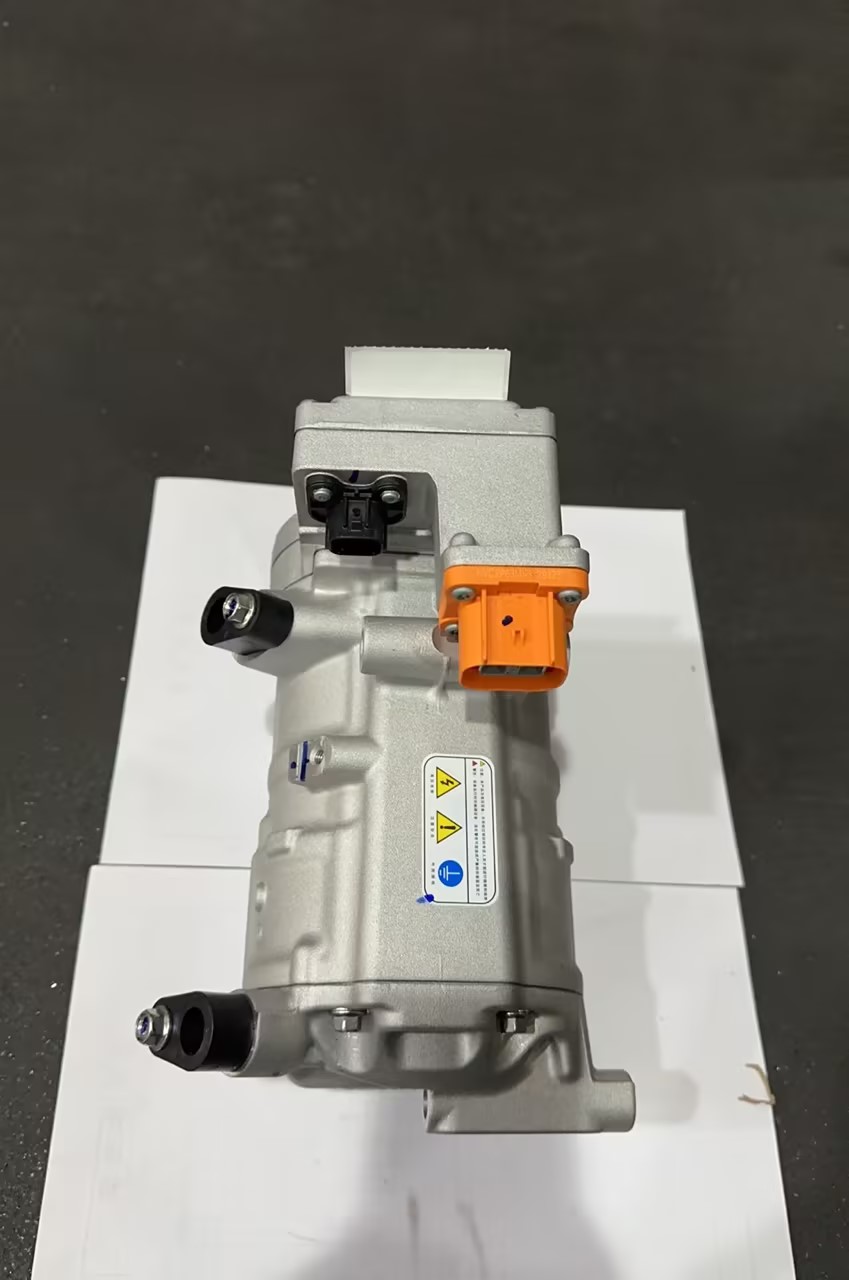
Electric Compressor (EV / Hybrid)
Electric compressors are powered by an independent electric motor rather than the engine belt system.
Key characteristics:
- Fully decoupled from engine RPM
- Operates independently of engine status
- Controlled by vehicle power electronics system
Common usage:
- Hybrid vehicles
- Fully electric vehicles (EVs)
Advantages:
- Works even when the engine is off
- Highly efficient and responsive cooling
- Ideal for start-stop and electric driving conditions
Limitations:
- High system cost
- Requires a high-voltage electrical system
- More complex electronic control systems
Symptoms of a Faulty AC Compressor
Before performing detailed testing or replacement, it is important to recognize the early warning signs of a failing automotive AC compressor. These symptoms often indicate mechanical wear, electrical malfunction, or refrigerant system imbalance.
-
Weak or No Cooling
One of the most common signs is a noticeable drop in cooling performance.
Possible causes:
- Compressor not properly compressing refrigerant
- Internal valve damage or wear
- Low system efficiency due to mechanical failure
Result:
Air from the vents feels warm or only slightly cool, even when the AC is set to maximum.
-
Loud Clicking or Grinding Noise
Unusual noises coming from the engine bay when the AC is turned on are a strong warning sign.
Possible causes:
- Worn internal bearings
- Damaged clutch assembly
- Loose or failing compressor components
Result:
Noise intensity often increases with engine speed or AC load.
-
AC Clutch Not Engaging
The compressor clutch is responsible for connecting engine power to the compressor.
Possible causes:
- Electrical failure (relay, fuse, or wiring issue)
- Faulty clutch coil
- Low refrigerant pressure prevents engagement
Result:
The compressor does not activate when the AC is switched on.
-
Refrigerant Pressure Imbalance
A malfunctioning compressor may cause abnormal pressure readings in the AC system.
Possible causes:
- Internal leakage
- Poor compression efficiency
- Blocked or damaged internal valves
Result:
The system may cycle irregularly or fail to maintain stable cooling pressure.
-
Intermittent Cooling Performance
Cooling may work temporarily but fail unpredictably.
Possible causes:
- Overheating compressor
- Electrical connection instability
- Internal wear causing inconsistent operation
Result:
AC performance fluctuates during driving conditions.
-
Oil Leakage Near Compressor Housing
Visible oil residue around the compressor is a clear mechanical warning sign.
Possible causes:
- Seal failure
- Cracked compressor housing
- Excess internal pressure
Result:
Loss of lubrication reduces compressor lifespan and increases failure risk.
Tools Required for Testing AC Compressor
Proper diagnosis requires professional tools.
| Tool | Purpose |
| Manifold gauge set | Measures high/low pressure |
| Multimeter | Tests the electrical signals |
| OBD2 scanner | Reads compressor-related fault codes |
| UV leak detector | Checks refrigerant leakage |
| Thermometer | Measures vent temperature |
| AC recovery machine | Safe refrigerant handling |
Step-by-Step Guide: How to Test an Automotive AC Compressor
Step 1: Visual Inspection
Start with a basic inspection:
- Check for oil leaks
- Inspect belt condition
- Examine the compressor clutch
- Look for damaged wiring
A damaged belt or leaking seal often indicates compressor-related issues.
Step 2: Check AC Clutch Engagement
Turn on the AC system and observe:
- Does the clutch engage?
- Is there a clicking sound?
- Does the pulley spin freely?
If the clutch does not engage, the issue may be electrical or pressure-related.
Step 3: Measure Refrigerant Pressure
Use a manifold gauge set.
Typical readings:
| Condition | Low Side | High Side |
| Normal | 25–45 psi | 150–250 psi |
| Undercharged | Low | Low |
| Overcharged | High | High |
| Bad Compressor | Irregular | Irregular |
Abnormal readings often indicate internal compressor failure or refrigerant imbalance.
Step 4: Electrical Testing
Use a multimeter to test:
- Compressor clutch coil resistance
- Power supply voltage
- Relay function
- Fuse condition
A healthy clutch coil typically shows resistance between 3–5 ohms (varies by model).
Step 5: OBD2 Diagnostic Scan
Modern vehicles store AC-related fault codes
Common codes:
- Compressor clutch circuit failure
- Refrigerant pressure sensor fault
- ECU communication error
These codes help identify whether the issue is mechanical or electronic.
Step 6: Temperature Output Test
Measure vent temperature:
- Normal AC output: 4°C–10°C
- Weak cooling: 12°C–20°C
- No cooling: above 20°C
Compare results with ambient conditions.
Step 7: Mechanical Resistance Test
With engine off:
- Rotate the compressor pulley manually
- Check for binding or unusual resistance
- A failing compressor may feel stiff or uneven.
Step 8: Pressure Drop Isolation Test
Shut off the engine and monitor the pressure:
- Rapid pressure drop = internal leak
- Stable pressure = healthy sealing system
Advanced Diagnostic Analysis
Modern automotive diagnostics often involve deeper system analysis.
-
Refrigerant Flow Behavior
The compressor must maintain:
- Stable suction pressure
- Controlled discharge pressure
- Continuous refrigerant circulation
Irregular flow indicates valve or piston damage.
-
Noise Pattern Analysis
| Noise Type | Possible Issue |
| Grinding | Internal bearing failure |
| Clicking | Clutch failure |
| Hissing | Refrigerant leak |
| Rattling | Loose internal components |
Compressor Efficiency Testing
Efficiency can be evaluated using:
y = mx + b

In HVAC diagnostic terms, performance degradation often correlates with nonlinear pressure-to-temperature behavior, indicating system inefficiency or internal leakage.
Common Causes of AC Compressor Failure
AC compressor failure typically results from a combination of lubrication issues, electrical faults, and mechanical wear. Understanding the root causes helps in early diagnosis and prevents costly system damage.
- Low Refrigerant Levels
One of the most common causes of compressor failure is insufficient refrigerant in the system.
Effects:
- Reduced cooling performance
- Loss of proper lubrication circulation (oil is carried with refrigerant)
- Increased internal friction and overheating
Result:
Continuous operation under low refrigerant conditions can quickly damage internal compressor components.
- Contaminated Refrigerant Oil
The compressor relies on clean oil for lubrication and smooth operation.
Causes of contamination:
- Moisture entering the system
- Debris from worn components
- Poor-quality or mixed refrigerant oils
Effects:
- Reduced lubrication efficiency
- Increased wear on moving parts
- Internal scoring or damage
- Electrical Faults
Electrical issues can prevent proper compressor operation or cause intermittent failure.
Common sources:
- Faulty relays or fuses
- Damaged wiring harness
- Malfunctioning ECU or AC control module
- Failed clutch coil
Result:
The compressor may not engage or may operate inconsistently.
- Mechanical Wear
Over time, internal components naturally degrade due to continuous operation.
Typical wear points:
- Bearings
- Pistons
- Valves
- Clutch assembly
Effects:
- Reduced compression efficiency
- Unusual noise (grinding or knocking)
- Eventual complete mechanical failure
- Blocked Condenser
A restricted or dirty condenser affects system pressure balance.
Causes:
- Dirt, debris, or insect buildup
- Poor airflow through condenser fins
- External damage or clogging
Effects:
- Increased system pressure
- Excessive compressor load
- Overheating and premature wear
AC Compressor Testing Comparison Table
| Test Type | Accuracy | Complexity | Required Tools |
| Visual Inspection | Low | Easy | None |
| Pressure Test | High | Medium | Gauge set |
| Electrical Test | High | Medium | Multimeter |
| OBD2 Scan | High | Easy | Scanner |
| Mechanical Test | Medium | Easy | Manual |
Professional Diagnostic Workflow (Workshop Standard)
Mechanics typically follow this sequence:
- Visual inspection
- Electrical verification
- Pressure testing
- ECU scan
- Mechanical evaluation
- System recharge test
This ensures accurate diagnosis without unnecessary part replacement.
Safety Considerations
Working with automotive AC systems involves high-pressure refrigerants.
Key safety rules:
- Never open refrigerant lines under pressure
- Wear protective gloves and goggles
- Use certified recovery equipment
- Avoid direct refrigerant exposure
Modern Trends in Automotive AC Compressors (2026)
Electric Variable Compressors
Increasingly used in EVs for independent cooling.
Smart ECU-Controlled Systems
Adjust compressor output dynamically for efficiency.
EcoFriendly Refrigerants
Shift toward low-GWP refrigerants such as R1234yf.
FAQ: Automotive AC Compressor Testing
- How do I know if my AC compressor is bad?
Common signs include no cooling, unusual noise, clutch failure, and abnormal pressure readings.
- Can an AC compressor be tested without removing it?
Yes. Most diagnostics are performed in-vehicle using gauges, scanners, and electrical tests.
- What happens if the AC compressor pressure is too low?
It usually indicates refrigerant loss or internal leakage.
- How long does an AC compressor last?
Typically, 8–12 years, depending on usage and maintenance.
- Can a bad AC compressor still blow air?
Yes, but the air will not be cooled properly.
- Is it safe to drive with a failing AC compressor?
Yes, but it may lead to complete AC system failure over time.
Conclusion
Testing an automotive air conditioning (AC) compressor requires a structured approach combining visual inspection, electrical diagnostics, pressure analysis, and mechanical evaluation. With modern vehicles integrating more advanced climate control systems, it is becoming increasingly important to understand compressor behaviour in order to troubleshoot accurately.
A properly functioning AC compressor ensures optimal cabin comfort, energy efficiency, and system longevity. By following a systematic diagnostic process, technicians and vehicle owners can identify issues early on, avoid unnecessary repairs, and maintain peak HVAC performance throughout the vehicle’s lifecycle.