
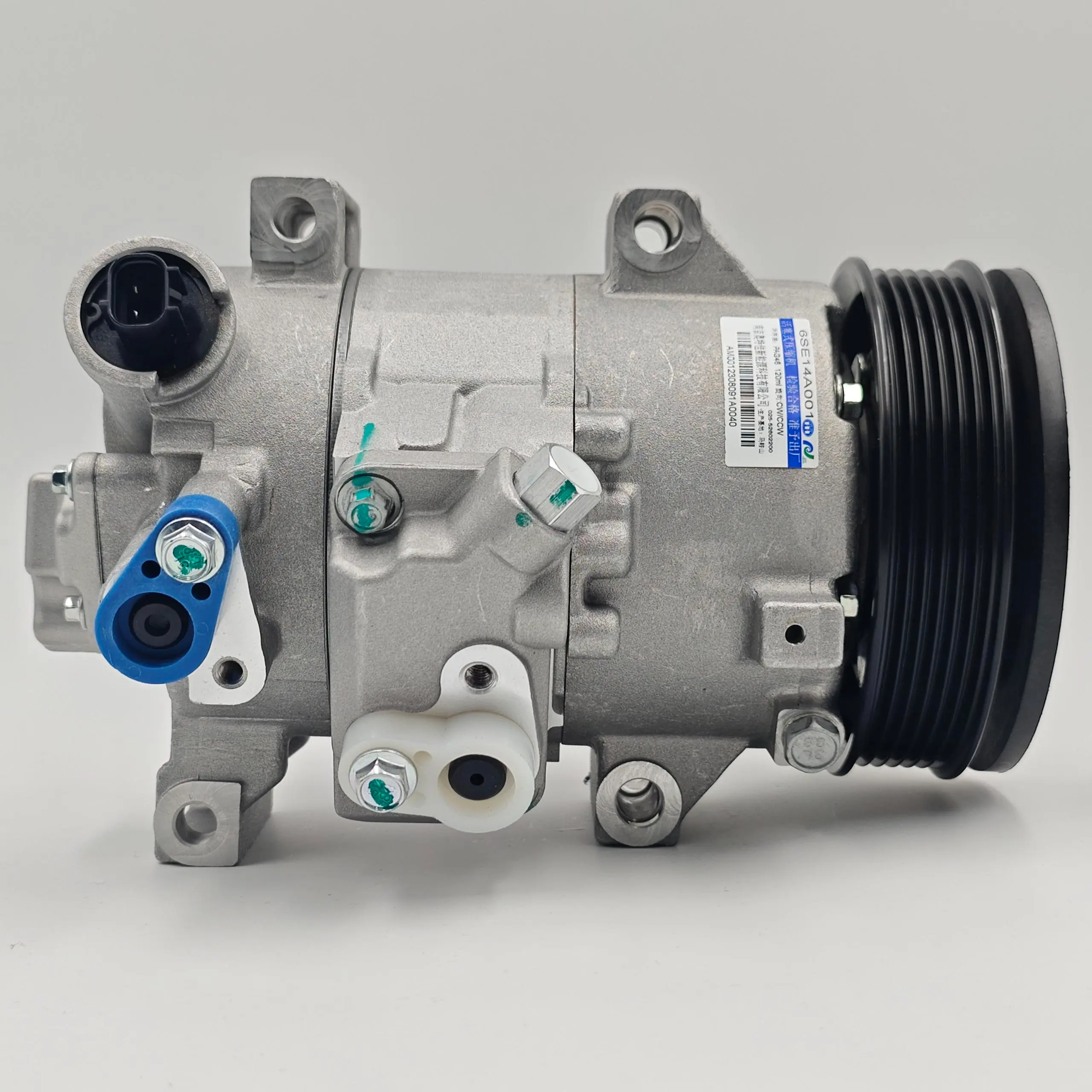
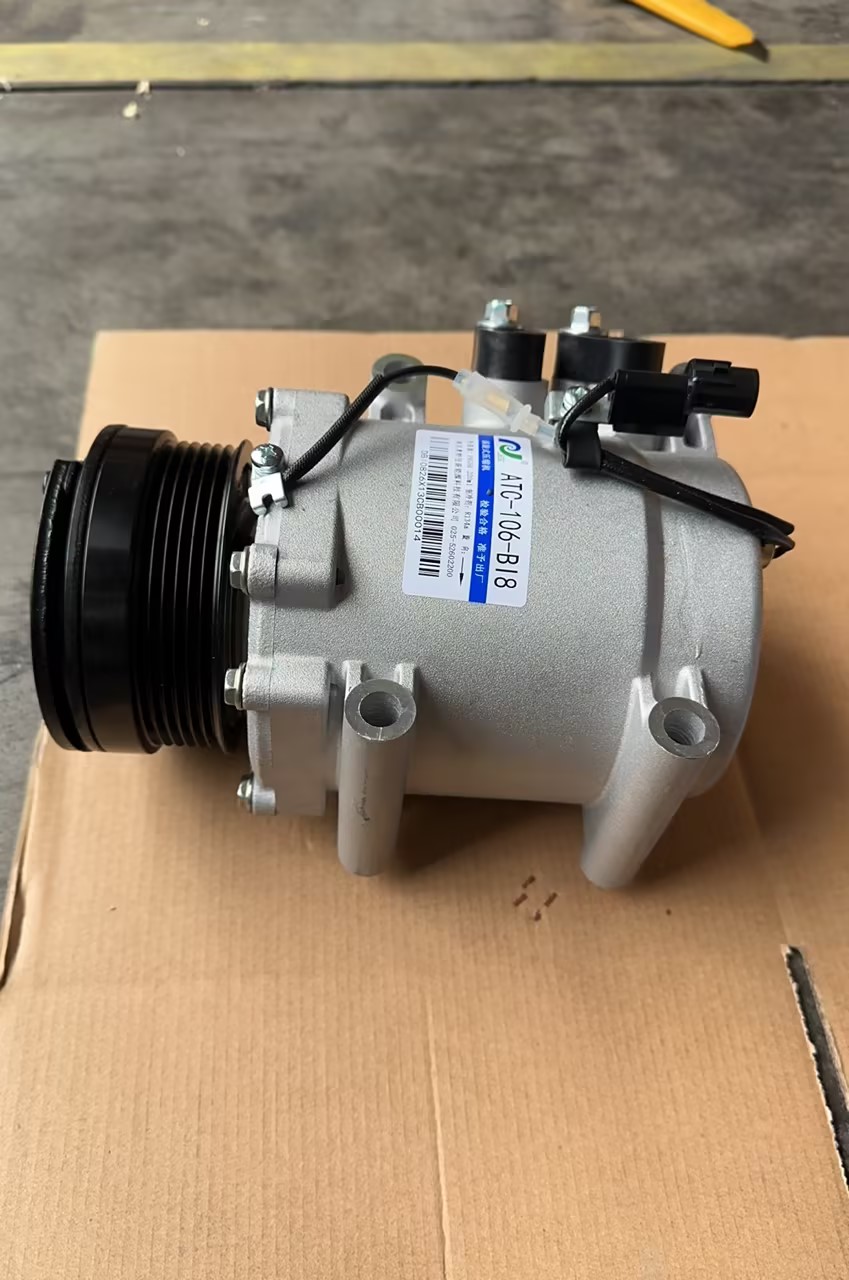
An electric compressor uses an electric motor to power a compression mechanism that draws in air or gas, reducing its volume and increasing its pressure for use in industrial, commercial, or residential applications. Depending on the design of the compressor — such as piston, rotary screw, scroll or centrifugal — the system converts electrical energy into mechanical energy to efficiently generate compressed air.
According to the U.S. Department of Energy and the Compressed Air and Gas Institute’s (CAGI) Compressed Air and Gas Handbook, electric compressors are widely valued in modern manufacturing and HVAC systems for their energy efficiency, automation capability, lower emissions, and reliable pressure control.
Introduction: Why Electric Compressors Matter in Modern Industry
Compressed air has become one of the most important utility resources in the modern industrial world. In many factories, workshops, commercial facilities, and engineering systems, it functions almost like a ‘fourth utility’, alongside electricity, water, and gas. At the heart of these systems is the electric compressor, a machine designed to convert electrical power into compressed air or gas.
Electric compressors are now essential in many industries, including:
- Manufacturing
- Automotive production
- Construction
- Food processing
- Pharmaceutical manufacturing
- HVAC systems
- Medical equipment
- Electronics assembly
- Aerospace engineering
- Renewable energy systems
Unlike traditional fuel-powered compressors, electric compressors offer cleaner operation, lower maintenance requirements, quieter performance, and higher energy efficiency. As industries move towards automation, carbon reduction, and smart manufacturing, electric compressor technology is evolving rapidly.
Understanding how an electric compressor works is important not only for engineers and technicians but also for equipment buyers, plant managers, procurement specialists, and industrial distributors. Compressor performance directly affects energy consumption, production reliability, maintenance costs, and operational efficiency.
This article explores the complete working principle of electric compressors, explains the main types of compressors, examines their internal components, discusses their industrial applications, compares different technologies, and highlights future innovations that are set to shape the compressor industry.
What Is an Electric Compressor?
An electric compressor is a machine that uses an electric motor to compress air or gas to a higher pressure for storage or industrial use.
The compressor achieves this by:
- Drawing in atmospheric air or gas;
- Reducing its volume mechanically;
- Increasing pressure energy;
- Delivering compressed air to a storage tank or system.
Compressed air generated by electric compressors can power tools, machinery, automation systems, pneumatic equipment, refrigeration systems, or industrial processes.
Electric compressors differ from diesel or gasoline-powered compressors in that their primary energy source is electricity rather than an internal combustion engine.
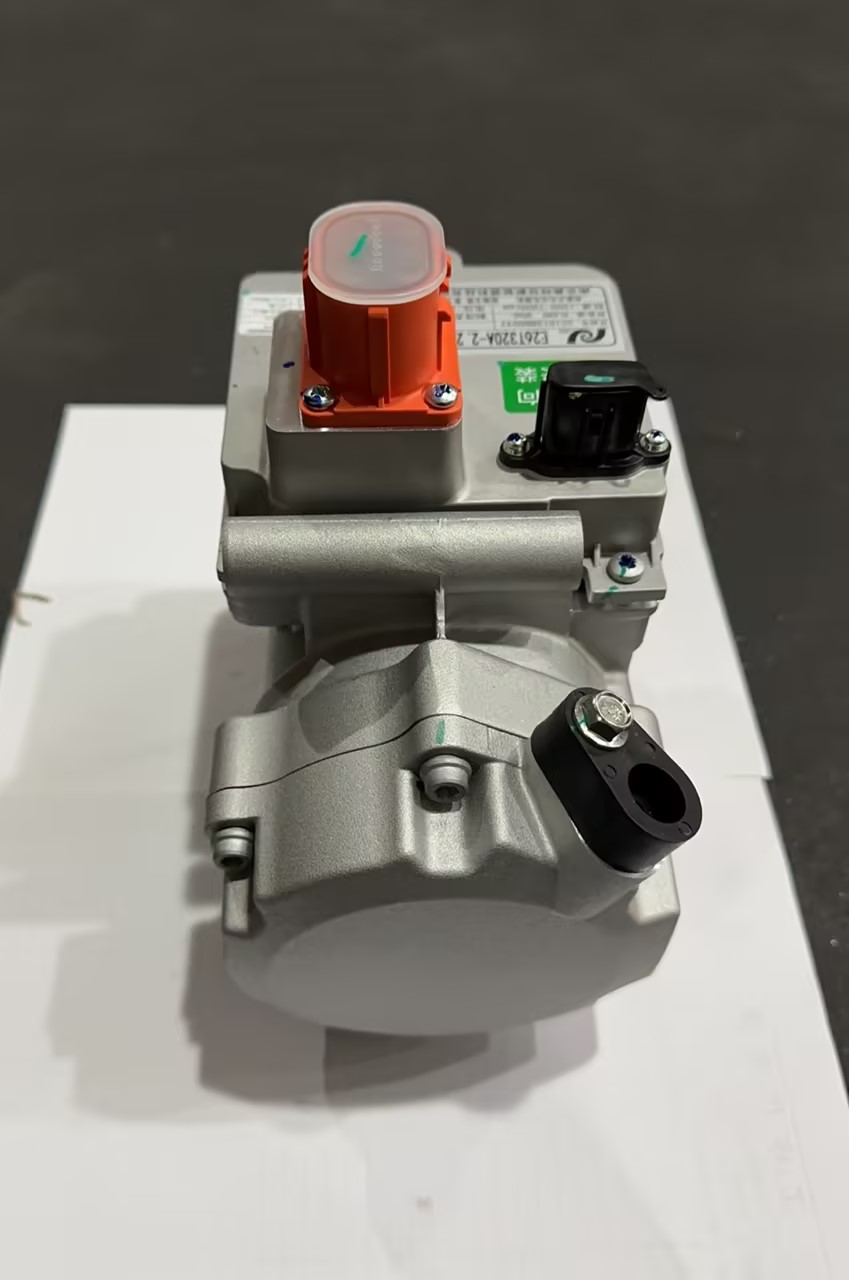
Basic Working Principle of an Electric Compressor
At its core, an electric compressor operates by converting energy.
The system converts:
Electrical energy to mechanical energy to pneumatic energy.
The electric motor powers a mechanical compression mechanism that physically reduces the volume of air or gas. According to Boyle’s law, when the volume of a gas decreases, its pressure increases.
The process usually follows several stages:
- Air intake
- Compression
- Cooling
- Storage or delivery
- Pressure regulation
Although compressor designs vary significantly, the fundamental operating principle remains similar across most electric compressor systems.
Step-by-Step Explanation of How an Electric Compressor Works
Step 1: Air intake
The process begins when atmospheric air enters the compressor via an air filter or intake valve.
The intake filter plays a critical role in preventing the following from entering the compression chamber:
- Dust particles
- Dirt
- Moisture contaminants
- Debris
from entering the compression chamber.
Clean intake air is essential for compressor efficiency, protecting internal components, and ensuring air quality.
Step 2: Electric Motor Activation
The electric motor is the compressor’s primary power source.
When electrical current flows into the motor:
- Electromagnetic fields generate rotational force;
- The motor shaft begins to spin;
- Mechanical motion is transferred to the compression mechanism.
Motor size directly influences compressor performance, airflow capacity, and pressure output.
Modern electric compressors often use:
- AC induction motors
- Permanent magnet motors
- Variable-speed motors
- Brushless DC motors
Depending on application requirements.
Step 3: Air Compression Process
The rotating mechanism compresses the incoming air by reducing its internal volume.
Different compressor types achieve compression in different ways:
- Pistons use reciprocating motion
- Rotary screws use meshing rotors
- Scroll compressors use spiral elements
- Centrifugal compressors use high-speed impellers
As the air volume decreases, the pressure rises significantly.
This compressed air stores potential energy that can later power industrial systems and equipment.
Step 4: Cooling the compressed air
Compression generates substantial heat because pressure increases molecular activity.
Without cooling systems, excessive temperatures could:
- Damage internal components
- Reduce efficiency
- Increase wear
- Create safety risks
Most electric compressors use one of the following cooling systems:
- Air cooling systems
- Oil cooling systems
- Water cooling systems
- Intercoolers
- Aftercoolers
to regulate the operating temperature.
Step 5: Air Storage and Distribution
After compression, the high-pressure air moves into a storage tank or directly into the pneumatic system.
Storage tanks help:
- Stabilize pressure
- Reduce motorcycling
- Improve efficiency
- Provide reserve capacity
Pressure regulators control output pressure based on system requirements.
Main Components of an Electric Compressor
Understanding internal components helps explain how electric compressors operate efficiently.
Key Electric Compressor Components
| Component | Function |
| Electric Motor | Provides mechanical power |
| Compression Chamber | Compresses air or gas |
| Intake Valve | Controls air entry |
| Discharge Valve | Releases compressed air |
| Air Filter | Removes contaminants |
| Cooling System | Controls temperature |
| Pressure Switch | Regulates pressure levels |
| Storage Tank | Stores compressed air |
| Lubrication System | Reduces friction |
| Controller System | Automates operations |
Each component contributes to operational efficiency, durability, and system safety.
Types of Electric Compressors
There are several major categories of electric compressors, each designed for specific applications.
Reciprocating (piston) electric compressor
Reciprocating compressors use pistons moving inside cylinders to compress air.
Working principle:
- The piston moves downwards.
- Air enters through the intake valve.
- The piston moves upwards.
- Air volume decreases.
- Pressure increases.
- Compressed air exits through the discharge valve.
Advantages:
- High-pressure capability.
- Strong durability.
- Suitable for intermittent operation.
- Lower initial cost.
Limitations:
- Higher noise levels.
- More vibration.
- Increased maintenance requirements.
These compressors are common in workshops, garages, and small industrial facilities.
Rotary Screw Electric Compressor
Rotary screw compressors are among the most widely used industrial electric compressors today.
How they work: two helical rotors rotate inside a housing.
As air enters:
- The rotors trap the air.
- The air volume gradually decreases.
- The pressure rises continuously.
- The compressed air exits smoothly.
Advantages:
- Continuous operation capability
- Lower noise
- Higher efficiency
- Reduced vibration
- Stable airflow
Common applications:
- Manufacturing plants
- Automotive factories
- Food processing
- Industrial automation
Rotary screw compressors dominate many large-scale industrial environments.
Scroll Electric Compressor
Scroll compressors use two spiral-shaped scrolls to compress air or refrigerant gas.
One scroll remains stationary while the other orbits around it, and the spiral movement gradually compresses the gas towards the centre.
Benefits:
- Extremely quiet operation
- High efficiency
- Compact design
- Low vibration
These compressors are widely used in:
- HVAC systems
- Refrigeration equipment
- Heat pumps
- Medical devices
Centrifugal Electric Compressor
Centrifugal compressors use high-speed rotating impellers to accelerate air outward using centrifugal force.
Diffusers then convert velocity into pressure.
Characteristics
Oil-free operation
Very high airflow capacity
Excellent for continuous industrial processes
Typical Industries
Petrochemical plants
Steel manufacturing
Large HVAC systems
Power generation
These compressors are typically used in large industrial facilities requiring massive airflow volumes.
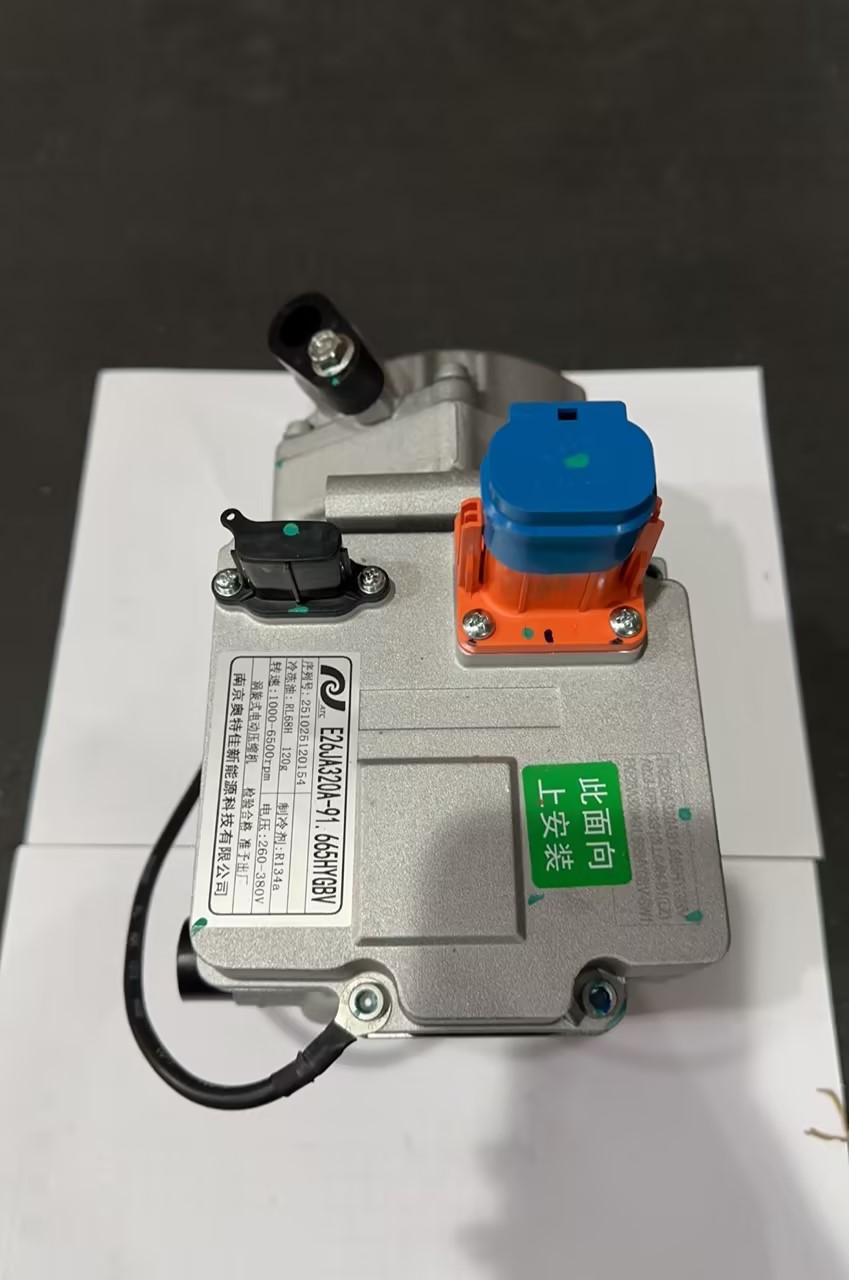
Comparison of Electric Compressor Types
| Tipo de Compressor | Pressure Capability | Noise Level | Maintenance | Best Use |
| Piston | High | High | Moderate | Workshops |
| Rotary Screw | Medium to High | Low | Low | Industrial production |
| Rolamento | Medium | Very low | Low | HVAC systems |
| Centrifugal | Medium | Moderate | Complex | Large industrial plants |
Each technology offers unique advantages depending on operational needs.
Oil-Free vs Oil-Lubricated Electric Compressors
Electric compressors are usually categorised as either oil-free or oil-lubricated.
- Oil-lubricated compressors
These compressors use oil for:
- Lubrication
- Cooling
- Sealing
Advantages:
- Longer component lifespan
- Better cooling
- Higher durability
Disadvantages:
- Risk of oil contamination
- More maintenance
- Oil-free compressors Oil-free compressors
Oil-free compressors avoid direct oil contact within the compression chamber.
Advantages:
- Clean compressed air
- Reduced contamination risks
- Lower environmental impact
Applications:
- Medical industries
- Food processing
- Electronics manufacturing
- Pharmaceutical production
Variable Speed Drive (VSD) Technology
One of the most important compressor innovations today is Variable Speed Drive (VSD) technology.
Traditional compressors operate at fixed motor speeds regardless of demand.
VSD compressors automatically adjust motor speed based on airflow requirements.
Benefits of VSD Compressors
| Benefit | Impact |
| Energy savings | Lower electricity consumption |
| Reduced wear | Longer equipment lifespan |
| Stable pressure | Improved system efficiency |
| Lower operating cost | Reduced utility expenses |
| Reduced noise | Better workplace environment |
Energy efficiency has become a major purchasing factor in compressor markets globally.
Electric Compressor Applications Across Industries
Electric compressors are essential in countless industries.
- Manufacturing industry
Compressed air powers:
- Pneumatic tools
- Assembly systems
- Robotics
- Packaging machinery
- Production automation
- Automotive industry
Electric compressors support:
- Paint systems
- Tyre inflation
- Air suspension systems
- Vehicle assembly lines
- EV thermal management systems
- HVAC industry
Scroll and rotary compressors are critical components in:
- Air conditioners
- Refrigeration systems
- Heat pumps
- Medical industry
Oil-free compressors provide clean air for:
- Ventilators
- Dental equipment
- Surgical tools
- Laboratory systems
- Food and Beverage Industry
Compressed air supports: Food and beverage industry
Compressed air supports:
- Packaging
- Bottling
- Food transport
- Automated processing systems
Clean air standards are especially important in these environments.
Electric Compressors in Electric Vehicles (EVs)
Electric compressors are playing an increasingly important role in electric vehicle technology.
In EVs, they help to manage:
- Battery cooling
- Cabin climate control
- Thermal management systems
Unlike engine-driven compressors in petrol vehicles, EV compressors operate independently using battery power.
This improves:
- Energy efficiency
- Temperature control precision
- Passenger comfort
The rise of EV manufacturing is driving significant innovation in compact electric compressor technologies.
Advantages of Electric Compressors
Compared with fuel-powered alternatives, electric compressors offer several major benefits.
Key advantages:
Lower emissions: electric compressors produce no direct combustion emissions.
Lower noise: modern electric motors operate more quietly than internal combustion engines.
Higher efficiency: electric systems often achieve superior energy conversion efficiency.
Easier automation: electric compressors integrate easily with:
- Smart controllers
- IoT systems
- Industrial automation networks
Reduced maintenance: electric motors generally require less maintenance than fuel engines.
How to Improve Electric Compressor Efficiency?
Improving efficiency can significantly reduce operating costs.
Best practices:
Fix air leaks. Compressed air leaks waste enormous amounts of energy.
Maintain filters: dirty filters reduce airflow and increase power consumption.
Use proper sizing: oversized compressors waste electricity during partial-load operation.
Implement VSD systems: variable speed drives improve energy matching.
Monitor system pressure: excessive pressure settings increase energy demand unnecessarily.
Smart Electric Compressors and Industry 4.0
Modern compressors are becoming increasingly intelligent.
Advanced systems now feature:
- IoT connectivity
- Predictive maintenance
- AI-driven diagnostics
- Remote monitoring
- Cloud-based analytics
Smart compressors help facilities:
- Reduce downtime
- Improve efficiency
- Predict maintenance needs
- Optimise energy use
Industry 4.0 technologies are rapidly transforming compressed air management.
Sustainability Trends in Electric Compressor Technology
Environmental sustainability is now a major industry priority.
Manufacturers are investing in:
- Energy-efficient motors;
- Oil-free technologies;
- Heat recovery systems;
- Low-carbon manufacturing;
- Smart energy management.
Governments worldwide are implementing stricter energy regulations to encourage businesses to adopt more efficient compressor systems.
Future Innovations in Electric Compressors
The future of electric compressors will likely include the following:
- AI-powered optimisation
- Magnetic bearing systems
- Advanced lightweight materials
- Ultraefficient motors
- Integrated renewable energy compatibility
- Hydrogen compression technologies
As industries move towards decarbonisation and automation, compressor technology will continue to evolve rapidly.
FAQ: Electric Compressor Questions People Commonly Ask
- What does an electric compressor do?
An electric compressor compresses air or gas using an electric motor to generate pressurized air for industrial, commercial, or residential applications.
- How does an electric compressor create pressure?
The compressor reduces the volume of air mechanically. According to gas laws, reducing volume increases pressure.
- What is the difference between electric and gas compressors?
Electric compressors use electric motors, while gas compressors use internal combustion engines. Electric models are generally quieter, cleaner, and easier to maintain.
- Are electric compressors energy efficient?
Yes. Modern electric compressors, especially VSD models, are highly energy efficient and suitable for automated industrial systems.
- What industries use electric compressors?
Industries including manufacturing, automotive, HVAC, healthcare, food processing, pharmaceuticals, and electronics rely heavily on electric compressors.
- What type of electric compressor is best?
The best compressor depends on the application. Rotary screw compressors are ideal for continuous industrial use, while piston compressors are suitable for smaller intermittent operations.
Conclusion
Electric compressors are among the most important machines in modern industrial and commercial systems. By converting electrical energy into compressed air power, they support manufacturing automation, heating, ventilation, and air conditioning (HVAC) systems, medical equipment, automotive production, refrigeration, and countless other applications.
While the basic working process — air intake, mechanical compression, cooling and pressure delivery — remains consistent across different compressor types, technologies such as piston, rotary screw, scroll and centrifugal systems each offer unique operational advantages.
As the focus on energy efficiency, sustainability, and smart manufacturing continues to shape the global industry landscape, electric compressor technology is evolving rapidly. Innovations such as variable speed drives, Internet of Things (IoT) integration, oil-free systems, and artificial intelligence (AI)based optimisation are improving performance while reducing operating costs and environmental impact.
Understanding how electric compressors work enables businesses to select the right systems, optimise efficiency, reduce downtime and remain competitive in an increasingly automated industrial landscape.