 Skip to content
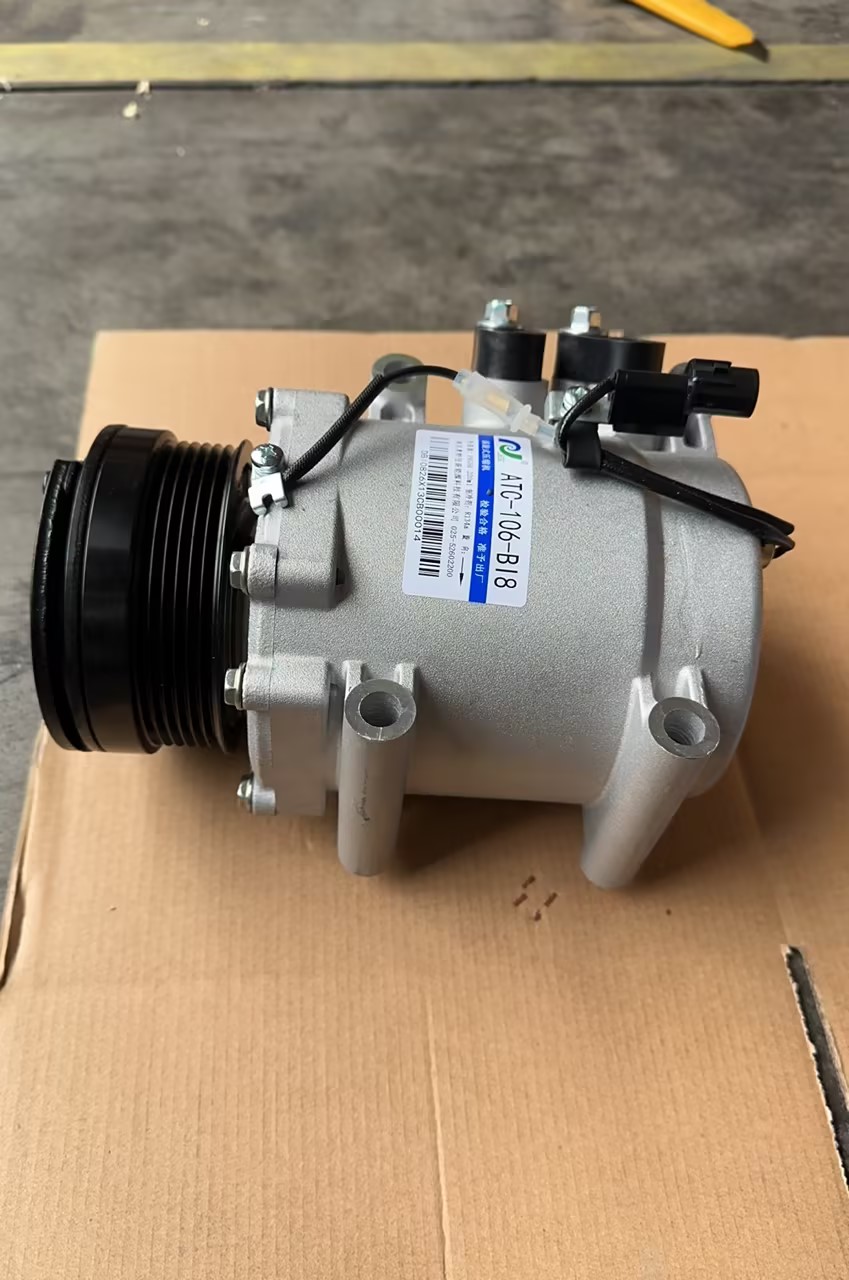
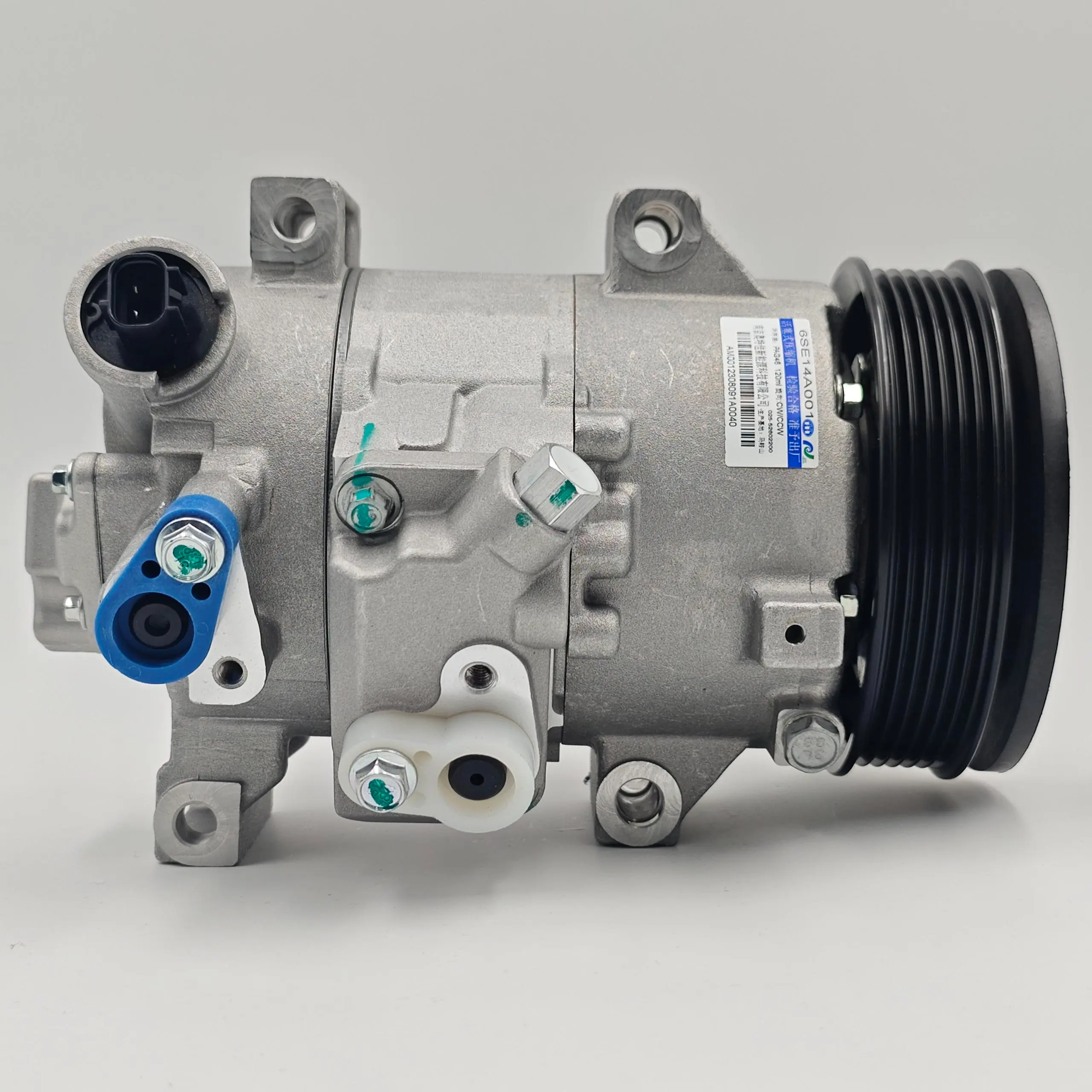
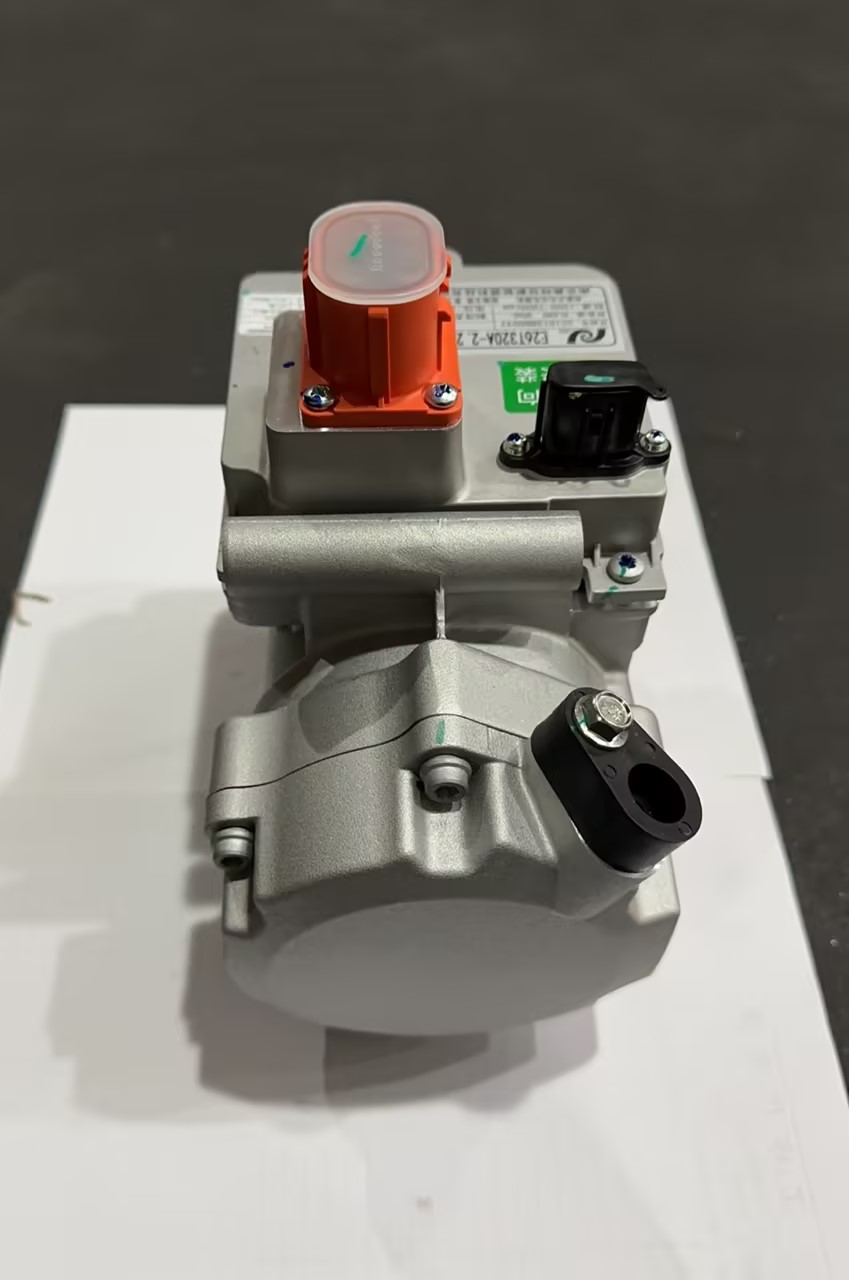
A piston compressor is a positive displacement machine used for compressing air or gas. It uses reciprocating pistons, driven by a crankshaft, to reduce the volume of the gas, thereby increasing its pressure. This enables its use in industrial pneumatic, refrigeration, manufacturing, and energy applications.
According to engineering references published by the American Society of Mechanical Engineers (ASME) and research into compressor technology, piston compressors remain one of the most widely used types of compressor because of their high-pressure capability, reliability, and adaptability in small workshops, automotive systems, petrochemical facilities, and heavy industrial operations.
Modern industrial studies also demonstrate that piston compressors efficiently provide intermittent-duty compression for compressed air systems, refrigeration cycles, gas transport, and industrial automation processes. Despite the rise of rotary screw and scroll compressor technologies, piston compressors continue to play a critical role in manufacturing, mining, energy, medical, and HVAC industries thanks to their relatively simple mechanical structure, high compression ratios, and broad operating flexibility.
Introduction: Why Piston Compressors Remain Essential in Modern Industry
Compressed air and industrial gas systems are the invisible backbone of modern industry. They are fundamental to countless industrial processes, from automotive assembly plants and food processing facilities to refrigeration systems, medical gas delivery, petrochemical operations, and manufacturing automation. At the heart of many of these systems is one of the oldest yet most relevant compression technologies ever developed: the piston compressor.
Despite rapid advancements in compressor engineering, including rotary screw, centrifugal, and scroll technologies, the piston compressor continues to dominate numerous industrial sectors thanks to its durability, high-pressure performance, mechanical simplicity, and broad adaptability.
A piston compressor, also known as a reciprocating compressor, operates by using a piston that moves back and forth inside a cylinder to mechanically compress gas. This reciprocating motion reduces the volume of the gas and increases its pressure according to fundamental thermodynamic principles.
Although the operating concept may appear simple, piston compressors are highly sophisticated machines capable of handling a variety of applications, including:
- Air compression
- Industrial gases
- Refrigeration refrigerants
- Highpressure applications
- Chemical processing
- Pneumatic systems
- Medical gas systems
- Natural gas compression
Modern piston compressor systems are engineered for applications ranging from small, portable workshop compressors to massive, multistage industrial gas compression systems used in refineries and power plants.
The continued popularity of piston compressors is largely due to their many engineering advantages:
- High pressure capability;
- Strong mechanical reliability;
- Relatively low initial cost;
- Excellent intermittent duty performance;
- Adaptability to various gases;
- A wide operating pressure range;
- Ease of maintenance.
Unlike some rotary compressor systems, which are optimised primarily for continuous operation, piston compressors are particularly effective in applications requiring variable demand, high discharge pressures and flexible operating conditions.
Today, piston compressors are used in a variety of industries worldwide, including:
- Automotive repair shops
- Construction equipment
- Refrigeration systems
- Industrial manufacturing
- Oil and gas processing
- Chemical plants
- Mining operations
- Healthcare systems
- Food packaging
- Beverage processing
As energy efficiency standards rise and industrial automation expands globally, piston compressor technology continues to evolve through innovations such as:
- Variable-speed drives
- Oil-free compression systems
- Smart monitoring technologies
- Advanced cooling designs
- Improved valve engineering
- Low-noise operation
Understanding what a piston compressor is and how it works is therefore critically important for engineers, plant managers, maintenance technicians, HVAC specialists, industrial buyers, and manufacturing professionals across nearly every industrial sector.
What Is a Piston Compressor?
A piston compressor is a type of positive displacement compressor that compresses gas by moving a piston back and forth inside a cylinder.
The piston is mechanically connected to a crankshaft via a connecting rod. As the crankshaft rotates, the piston moves back and forth within the cylinder, creating an alternating cycle of suction and compression.
This draws gas into the cylinder, compresses it, and discharges it at a higher pressure.
According to gas compression principles, pressure increases as the gas volume decreases during compression.
Piston compressors are often classified as follows:
- Single stage
- Multistage
- Oillubricated
- Oil-free
- Single-acting
- Double-acting
Their design can vary significantly depending on industrial requirements and pressure demands.
The core operating principle is positive displacement compression, whereby a fixed volume of gas is mechanically reduced within a confined space.
The following table summarizes the major components of a piston compressor:
| Component | Function |
| Piston | Compresses gas inside the cylinder |
| Cylinder | Compression chamber |
| Crankshaft | Converts rotational motion into reciprocating motion |
| Connecting rod | Transfers motion to the piston |
| Intake valve | Allows gas entry |
| Discharge valve | Releases compressed gas |
| Flywheel | Stabilizes rotational energy |
| Cooling system | Reduces operating temperature |
Piston compressors may compress:
- Atmospheric air
- Refrigerants
- Natural gas
- Nitrogen
- Hydrogen
- Industrial process gases
Their versatility explains their widespread industrial usage.
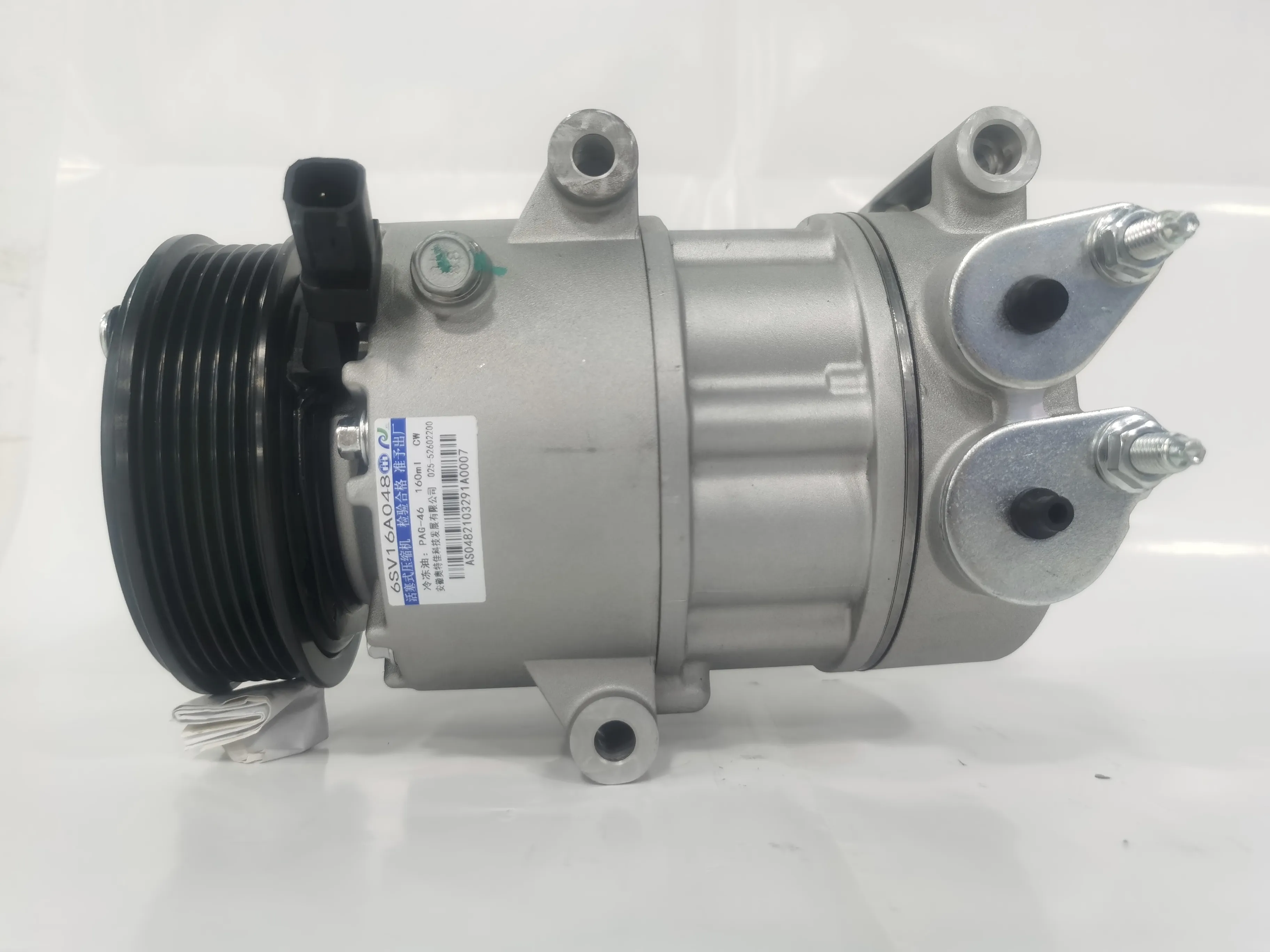
How Does a Piston Compressor Work?
The operation of a piston compressor involves a repeating mechanical and thermodynamic cycle. This cycle usually comprises four stages:
- Intake
- Compression
- Discharge
- Expansion/reset
The reciprocating movement of the piston drives the entire process.
Step 1: Intake stroke
During the intake stroke:
The piston moves downwards, the cylinder volume increases, the internal pressure drops below the inlet pressure, the intake valve opens automatically, and gas flows into the cylinder due to the pressure difference.
The discharge valve remains closed during this stage.
Step 2: Compression stroke
As the crankshaft continues to rotate:
The piston moves upwards, the cylinder volume decreases, and the gas pressure increases. Once the cylinder pressure exceeds the intake pressure, the intake valve closes, and the gas becomes compressed within the cylinder chamber.
The gas compression process can be approximated using thermodynamic relationships.
The pressure-volume relationship during ideal compression is often represented as follows:
PVn = C.
This equation describes the polytropic compression relationship, which is commonly used in compressor thermodynamics.
Step 3: Discharge Stroke
When the pressure in the cylinder exceeds the discharge line pressure, the discharge valve opens, and the compressed gas exits the cylinder. The gas then moves into:
- Air tanks
- Refrigeration systems
- Process pipelines
- Pneumatic systems
Step 4: Expansion and Cycle Repetition
After discharge:
The piston reverses direction, the residual gas expands slightly, and the cycle begins again. This continuous reciprocating process generates a flow of compressed gas.
Types of Piston Compressors
Depending on industrial requirements, piston compressors are available in multiple configurations.
- Single-stage piston compressors
Single-stage compressors compress gas once before discharge.
Characteristics:
- Simpler design
- Lower cost
- Moderate pressure capability
- Common in workshops and small industries
Typical applications:
- Pneumatic tools
- Automotive repair
- Small manufacturing facilities
- Multistage piston compressors
Multistage compressors compress gas through multiple cylinders sequentially. Multistage piston compressors
Multistage compressors compress gas through multiple cylinders sequentially.
Between stages, intercoolers reduce the temperature of the gas.
Advantages:
- Higher pressure capability
- Improved efficiency
- Reduced discharge temperatures
Applications:
- Industrial gas systems
- Petrochemical processing
- High-pressure air systems
- Oil-lubricated piston compressors
These compressors use oil for:
- Lubrication
- Cooling
- Wear reduction
Advantages:
- Longer component lifespan
- Improved efficiency
- Better sealing performance
Limitations:
Potential oil contamination
- Oil-free piston compressors
Oil-free systems avoid lubricant contamination entirely.
Applications:
- Medical gas systems
- Food processing
- Pharmaceutical manufacturing
- Electronics production
Advantages:
- Clean compressed air
- Regulatory compliance
- Single-Acting vs Double-Acting Compressors
| Type | Compression Location |
| Singleacting | One side of the piston |
| Doubleacting | Both sides of the piston |
Double-acting compressors improve compression efficiency and capacity.
Thermodynamics of Piston Compression
Understanding piston compressor performance requires understanding gas thermodynamics.
When gas compresses:
- Pressure increases
- Temperature rises
- Volume decreases
The compression process may follow several thermodynamic models:
| Compression Type | Characteristics |
| Isothermal | Constant temperature |
| Adiabatic | No heat transfer |
| Polytropic | Real-world approximation |
Real industrial compressors typically operate under polytropic compression conditions.
Higher compression ratios generate more heat, which is why cooling systems are essential.
Modern compressors use:
- Air cooling
- Water cooling
- Intercoolers
- Aftercoolers
To manage thermal loads effectively.
Advantages of Piston Compressors
Piston compressors remain highly popular due to their numerous important engineering advantages.
- High-pressure capability:
Piston compressors can achieve extremely high discharge pressures compared to many rotary systems.
This makes them ideal for:
- Industrial gas storage
- PET bottle manufacturing
- High-pressure process systems
- Strong reliability
The basic reciprocating design is highly proven and durable.
Many industrial piston compressors operate reliably for decades with proper maintenance.
- Flexible capacity range
Piston compressors are available in:
- Small, portable units
- Massive industrial systems
- Excellent intermittent operation
They perform well in stop-start operating environments.
- Lower initial cost
Compared with some advanced compressor technologies, piston systems often have lower purchase costs.
Applications of Piston Compressors
Piston compressors remain an essential component in many industries.
- Automotive industry
Used for:
- Pneumatic tools
- Tyre inflation
- Spray painting
- Service stations
- Manufacturing
Compressed air powers:
- Automation systems
- Robotics
- Assembly lines
- Refrigeration and HVAC
Reciprocating compressors are widely used in refrigeration cycles.
- Oil and gas
Natural gas compression remains a major industrial application.
- Healthcare
Oil-free compressors supply medical-grade air.
- Food and drink
Clean compressed air supports packaging and production systems.
Maintenance of Piston Compressors
Proper maintenance has a significant impact on the lifespan and efficiency of compressors.
- Key maintenance areas:
- Lubrication: oil-lubricated compressors require regular oil monitoring and replacement.
- Filter replacement: dirty intake filters reduce efficiency.
- Valve inspection: worn valves decrease compression performance.
- Cooling system maintenance: cooling failures increase thermal stress.
- Leak detection: air leaks waste energy and reduce system efficiency.
Preventive maintenance improves:
- Reliability
- Energy efficiency
- Component lifespan
- Operating safety
FAQ About Piston Compressors
What is a piston compressor used for?
Piston compressors are used for compressed air systems, refrigeration, industrial gas compression, manufacturing automation, and pneumatic tools.
How does a piston compressor work?
A piston moves inside a cylinder to draw in gas, compress it mechanically, and discharge it at higher pressure.
What is the difference between a piston compressor and a rotary compressor?
Piston compressors use reciprocating motion, while rotary compressors use rotating compression mechanisms.
Are piston compressors efficient?
They are highly efficient for intermittent duty and high-pressure applications.
Why do piston compressors get hot?
Gas temperature naturally rises during compression because of the thermodynamic pressure increase.
How long does a piston compressor last?
Industrial piston compressors can operate for many years or even decades with proper maintenance.
Conclusion
A piston compressor is one of the most important and widely used positive displacement compression technologies in modern industry. Using reciprocating piston motion inside cylinders, these compressors efficiently compress air and gases for a range of applications, including manufacturing, refrigeration, medical systems, and petrochemical processing.
Despite the emergence of newer compressor technologies, piston compressors remain highly valued due to their high-pressure capability, reliability, mechanical simplicity, and operational flexibility. Their ability to function effectively in both small-scale and large industrial systems ensures their continued importance in global industrial infrastructure.
As energy efficiency, automation and clean air requirements evolve, so too will piston compressor technology, advancing through smarter controls, improved materials, quieter operation and more sustainable engineering solutions.