 Skip to content
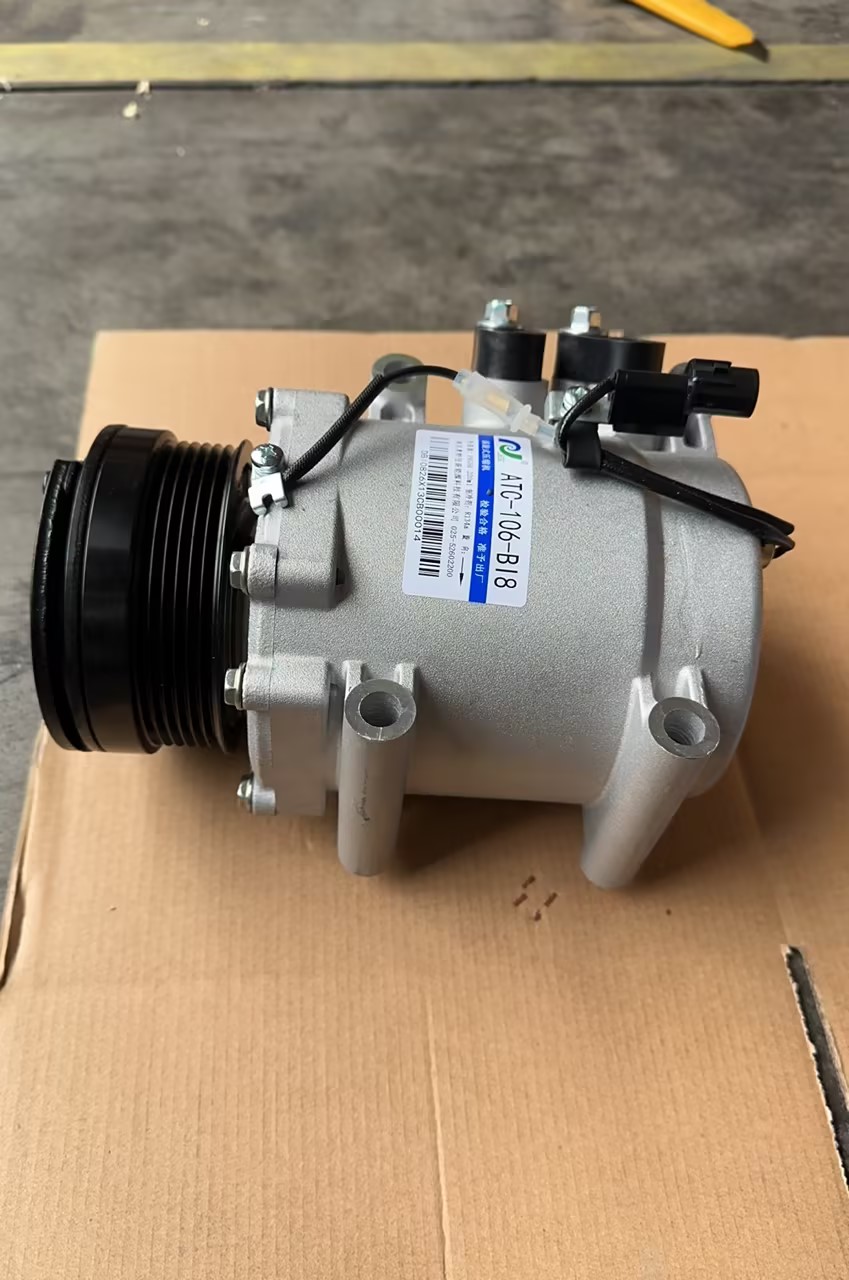
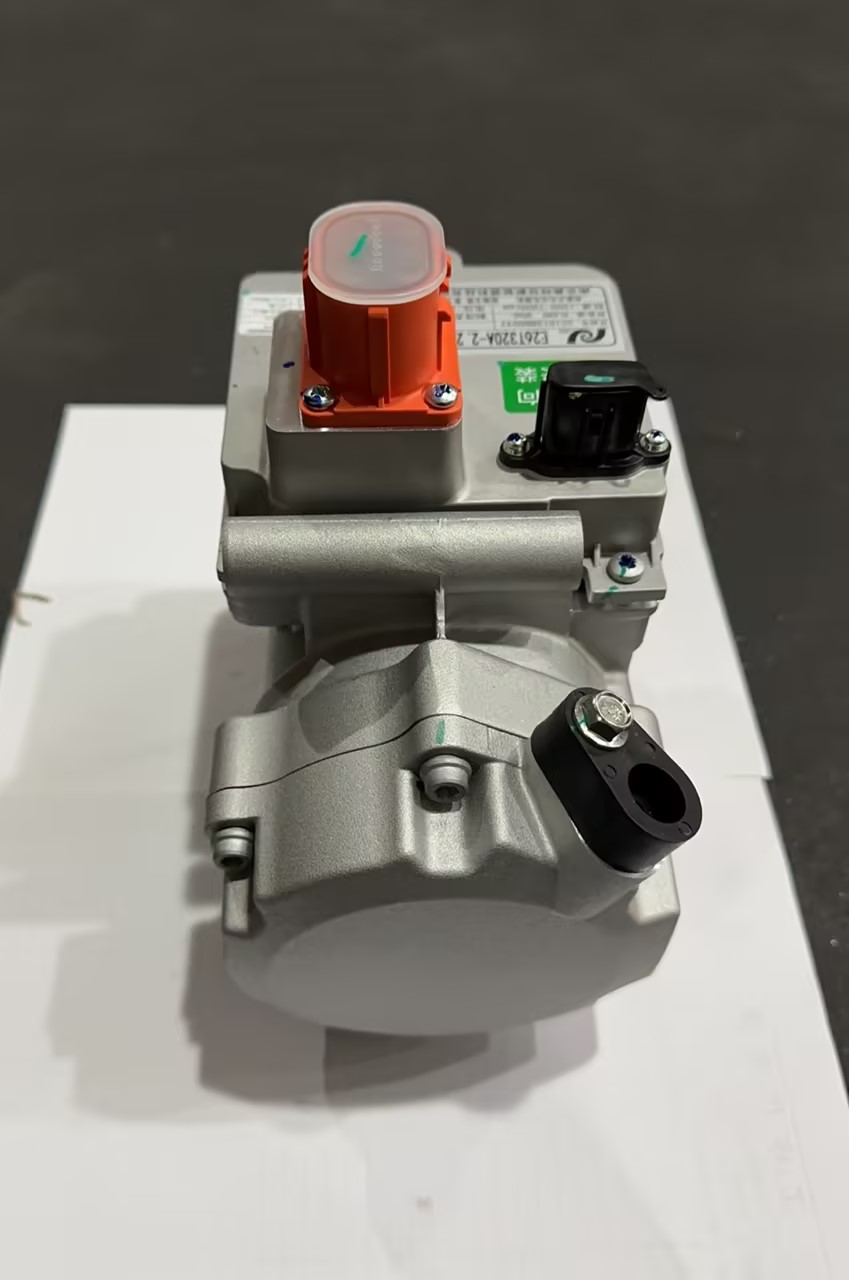
A piston compressor uses the reciprocating motion of a piston inside a cylinder to compress air or gas, while a rotary compressor uses continuously rotating elements to produce a smoother, more consistent airflow. According to the Compressed Air and Gas Handbook (Compressed Air and Gas Institute), Perry’s Chemical Engineers’ Handbook and The Industrial Compressor Handbook, the choice between these types of compressor depends on factors such as pressure requirements, duty cycle, energy efficiency, maintenance expectations and the application environment, rather than one technology being universally superior.
Introduction
In modern industry, compressed air is often referred to as the ‘fourth utility’ because it powers countless manufacturing processes, automation systems, pneumatic tools, refrigeration equipment and industrial machinery. From automotive workshops and food processing facilities to pharmaceutical manufacturing and chemical plants, compressors provide a reliable source of compressed gas to ensure efficient production.
Of the many compressor technologies available today, piston and rotary compressors remain the two most widely adopted solutions. Although both are designed to increase gas pressure by reducing its volume, they achieve this through different mechanical principles. These design differences directly influence airflow stability, operating efficiency, maintenance requirements, noise levels, equipment lifespan, and overall operating costs.
Therefore, selecting the appropriate compressor is not simply a matter of comparing purchase prices. Engineers, equipment manufacturers and plant managers must consider working pressure, operating hours, airflow demand, energy consumption, maintenance capability and future production expansion when choosing the most suitable technology. Understanding the strengths and limitations of each system helps to optimise equipment performance and reduce long-term operating expenses.
What Is a Piston Compressor?
A piston compressor, also known as a reciprocating compressor, is a type of positive displacement compressor that increases the pressure of a gas by moving a piston back and forth inside a sealed cylinder. As the piston moves downwards, the volume of the cylinder increases, creating a vacuum that draws air in through the inlet valve. During the upward stroke, the piston compresses the trapped air until it reaches the desired pressure, after which it is discharged through the outlet valve.
This compression process repeats continuously, producing compressed air in individual cycles rather than as a continuous flow.
The primary components of a piston compressor include:
cylinder, piston, connecting rod, crankshaft, inlet valve, discharge valve, flywheel, and lubrication system. Each component contributes to converting rotary motor motion into reciprocating piston movement while maintaining reliable compression under demanding operating conditions.
Because piston compressors generate high compression ratios within individual cylinders, they can achieve relatively high discharge pressures. Multi-stage piston compressors can further increase pressure by compressing air through multiple cylinders arranged in sequence, making them suitable for applications requiring compressed gas at significantly higher pressures.
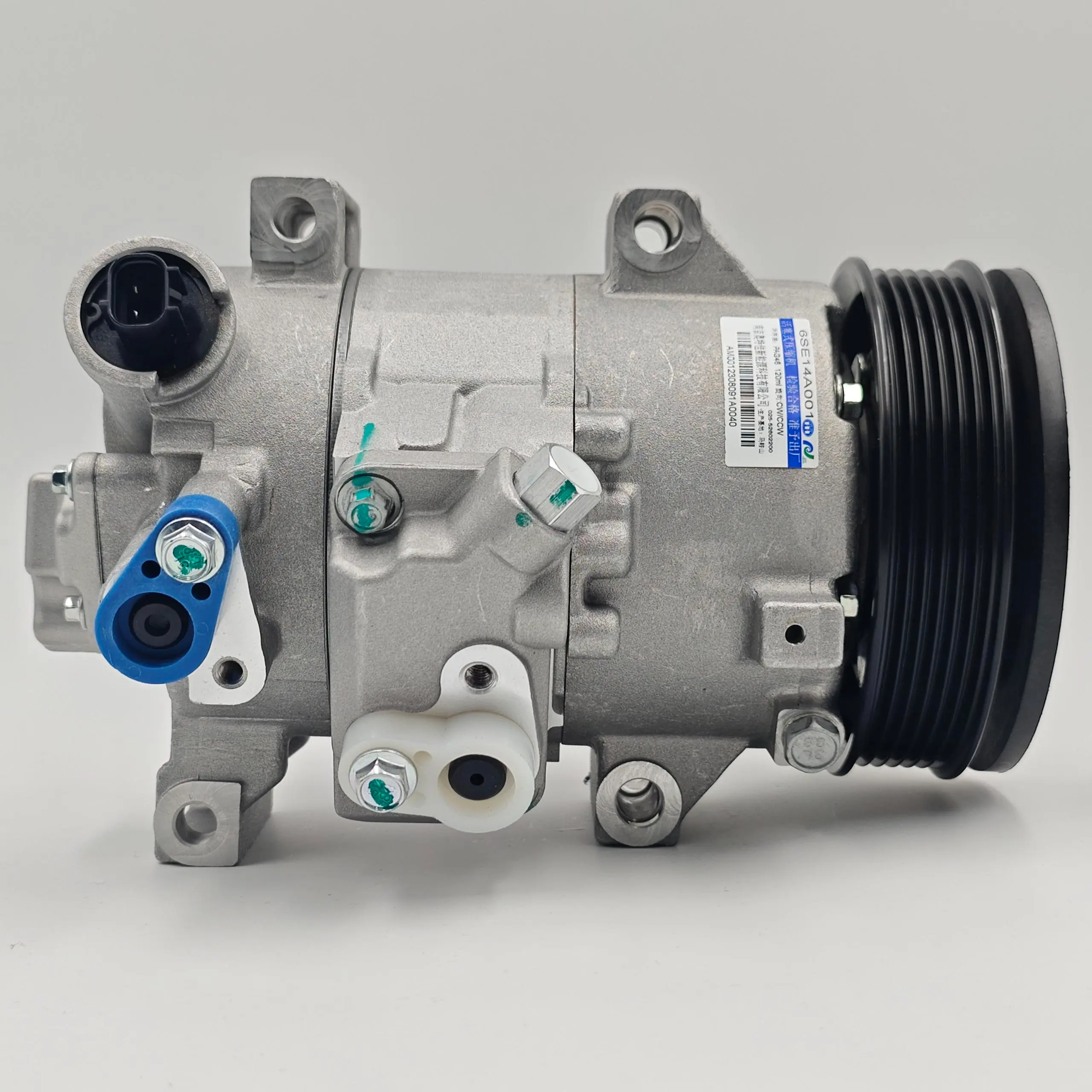
How Does a Piston Compressor Work?
The operating cycle of a piston compressor consists of four primary stages:
- Intake: The piston moves downward, reducing cylinder pressure and allowing atmospheric air to enter through the inlet valve.
- Compression: The piston reverses direction and moves upward, decreasing cylinder volume while increasing air pressure.
- Discharge: Once the compressed air reaches the designed pressure, the discharge valve opens, releasing compressed air into the storage tank or downstream system.
- Repeat Cycle: The crankshaft continuously rotates, repeating the compression process.
Because air delivery occurs during each compression stroke, piston compressors naturally produce pulsating airflow rather than perfectly continuous output. Air receivers are therefore commonly installed to stabilize pressure fluctuations.
Advantages of Piston Compressors
Piston compressors remain popular because they offer several practical benefits:
- High pressure capability
- Excellent performance for intermittent operation
- Relatively simple mechanical design
- Lower initial investment
- Easy maintenance and repair
- Suitable for small and medium production facilities
These characteristics make piston compressors widely used in automotive repair shops, construction sites, maintenance workshops, laboratories, and industrial systems requiring moderate airflow but relatively high pressure.
What Is a Rotary Compressor?
A rotary compressor is another type of positive displacement compressor. Rather than using reciprocating pistons, it compresses air using continuously rotating mechanical elements. These components trap incoming air, gradually reducing its volume and discharging compressed air in a smooth, continuous stream.
Unlike piston compressors, rotary compressors deliver an almost uninterrupted airflow, resulting in lower pressure fluctuations, reduced vibration, and quieter operation.
Several rotary compressor technologies are commonly used in industry:
- Rotary screw compressors
- Rotary vane compressors
- Scroll compressors
- Rotary lobe compressors
Although their internal mechanisms differ, they all rely on continuous rotational motion to achieve gas compression.
Currently, rotary screw compressors are the most widely used type of rotary compressor for industrial compressed air systems, as they combine high efficiency, continuous-duty capability, and reliable operation.
How Does a Rotary Compressor Work?
The operating principle of a rotary compressor relies on the use of rotating compression elements rather than reciprocating movement.
In a rotary screw compressor, for instance, two precisely machined, intermeshing rotors rotate within a compression chamber. As they turn, incoming air is trapped between the rotor lobes and the compressor housing. The available volume gradually decreases as the air moves towards the discharge end, increasing the pressure until the air is compressed and exits the system.
Since compression occurs continuously throughout rotor rotation, airflow remains smooth and consistent, free from the pulsations associated with reciprocating compressors.
This continuous operating principle provides several important advantages:
- Stable airflow
- Lower vibration
- Reduced mechanical shock
- Higher efficiency during continuous operation
- Lower noise levels
- Improved energy performance under constant load conditions
Rotary compressors are therefore widely used in factories operating multiple production shifts, where the demand for compressed air remains relatively constant throughout the day.
Working Principle Comparison
The fundamental difference between the two compressor technologies lies in how they compress air and deliver output.
| Caractéristique | Compresseur à piston | Rotary Compressor |
| Compression Method | Reciprocating piston movement | Continuous rotary motion |
| Air Delivery | Pulsating airflow | Continuous airflow |
| Pressure Capability | Very high | Medium to high |
| Operating Style | Intermittent duty preferred | Continuous-duty operation |
| Mechanical Motion | Back-and-forth reciprocating | Continuous rotation |
| Vibration Level | Higher | Lower |
| Noise Level | Generally higher | Generally quieter |
While both technologies can produce reliable compressed air, their mechanical differences significantly influence performance, maintenance requirements, and operating efficiency in various industrial applications.
Key Differences Between Piston Compressor and Rotary Compressor
Although both compressor types perform the same basic function, their engineering principles create significant differences in performance, operating cost, and suitability for various industrial applications. Understanding these distinctions allows engineers and equipment buyers to select the most efficient solution for their production requirements.
-
Compression Efficiency
Efficiency depends largely on operating conditions rather than compressor type alone.
A piston compressor performs exceptionally well during intermittent operation. When compressed air demand varies throughout the day, reciprocating compressors can start and stop efficiently without significant performance loss. Their relatively simple mechanical design also allows them to generate very high pressures without requiring continuous operation.
A rotary compressor, particularly a rotary screw compressor, achieves higher efficiency when operating continuously. Because compression occurs smoothly with fewer pressure fluctuations, less energy is lost through repeated start-stop cycles. Modern rotary compressors are also commonly equipped with variable-speed drives (VSD), allowing airflow to adjust according to demand while reducing electricity consumption.
-
Airflow Stability
Air delivery represents one of the most noticeable differences between the two technologies.
Piston compressors discharge compressed air in pulses during each compression stroke. Although air receivers help stabilize pressure, minor fluctuations remain unavoidable.
Rotary compressors deliver a continuous stream of compressed air, making them ideal for automated production lines, precision pneumatic equipment, and manufacturing processes requiring stable operating pressure.
-
Noise and Vibration
Because piston compressors rely on reciprocating mechanical motion, they generally produce higher vibration and more mechanical noise. Proper installation and vibration isolation can reduce these effects but cannot eliminate them completely.
Rotary compressors operate with smooth rotational motion, resulting in lower vibration levels and quieter operation. This makes them suitable for indoor manufacturing facilities, laboratories, hospitals, and production environments where noise reduction is important.
-
Maintenance Requirements
Maintenance schedules vary because of different mechanical structures.
Piston compressors contain numerous moving components—including pistons, connecting rods, valves, piston rings, and crankshafts—that experience continuous mechanical loading. These parts require regular inspection, lubrication, and periodic replacement.
Rotary compressors generally contain fewer heavily loaded reciprocating components. Although they still require oil changes, filter replacement, separator maintenance, and routine servicing, maintenance intervals are often longer during continuous industrial operation.
-
Initial Investment vs Operating Cost
Piston compressors usually require lower initial capital investment, making them attractive for small workshops and businesses with limited budgets.
Rotary compressors typically have higher purchase prices but often deliver lower operating costs over long production cycles due to improved energy efficiency and continuous-duty performance.
Therefore, total ownership cost should be evaluated instead of purchase price alone.
Piston Compressor vs Rotary Compressor: Which One Should You Choose?
There is no universally “better” compressor. The correct choice depends entirely on operating conditions, production objectives, and budget.
A piston compressor is often the preferred option when:
- Air demand is intermittent.
- High discharge pressure is required.
- Initial equipment cost is an important consideration.
- Maintenance can be performed in-house.
- The compressor operates only a few hours each day.
A rotary compressor becomes the better solution when:
- Continuous airflow is essential.
- The facility operates multiple shifts.
- Energy efficiency is a priority.
- Low noise levels are desired.
- Production automation requires stable air pressure.
Selecting the proper compressor therefore involves balancing purchase cost, operating expenses, maintenance capability, and expected service life rather than focusing on a single performance indicator.
Typical Industrial Applications
Both types of compressor serve a wide range of industries, but each one performs best under different operating conditions.
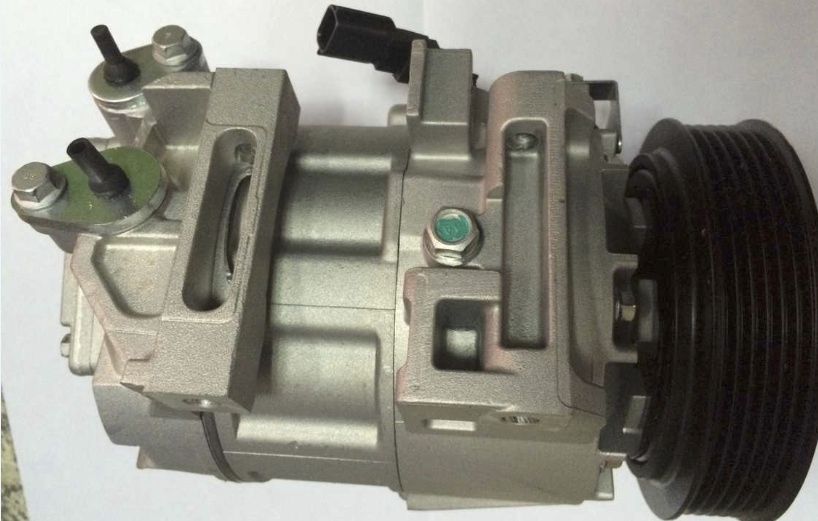
Piston compressors are widely used in automotive service centres, small manufacturing workshops, the maintenance of agricultural equipment, gas compression systems, laboratories and construction sites. Their ability to generate high pressure using relatively simple equipment makes them ideal for applications involving moderate air consumption.
In contrast, rotary compressors dominate modern industrial production due to their continuous airflow and superior efficiency over long operating periods. They are commonly installed in automotive manufacturing plants, electronics factories, pharmaceutical production facilities, food processing plants, textile manufacturing plants, packaging lines, and large pneumatic control systems.
The growing adoption of Industry 4.0 and automated manufacturing has further increased the demand for rotary compressors, since a stable supply of compressed air directly influences the accuracy of equipment and the consistency of production.
Application Selection Guide
| Application | Recommended Compressor | Primary Reason |
| Automotive Repair Shop | Compresseur à piston | High pressure with moderate daily use |
| Small Manufacturing Workshop | Compresseur à piston | Lower initial investment |
| Heavy Industrial Plant | Rotary Compressor | Continuous-duty efficiency |
| Food Processing Facility | Rotary Compressor | Stable airflow and reduced downtime |
| Pharmaceutical Manufacturing | Rotary Compressor | Consistent pressure for precision equipment |
| Construction Site | Compresseur à piston | Portability and high-pressure capability |
| Automated Production Line | Rotary Compressor | Continuous air supply |
| Large Pneumatic System | Rotary Compressor | Lower operating cost over time |
Frequently Asked Questions (FAQ)
- What is the main difference between a piston compressor and a rotary compressor?
A piston compressor uses reciprocating piston movement to compress air in cycles, while a rotary compressor uses continuously rotating elements to produce smoother and more consistent compressed airflow.
- Which compressor is more energy efficient?
For continuous industrial operation, rotary compressors generally offer better energy efficiency. For intermittent use with shorter operating periods, piston compressors can provide a more economical solution.
- Is a rotary compressor better than a piston compressor?
Neither is universally better. Rotary compressors are preferable for continuous production environments, whereas piston compressors remain an excellent choice for high-pressure and intermittent applications.
- Which compressor requires less maintenance?
Rotary compressors typically require less frequent mechanical maintenance because they contain fewer reciprocating components. However, both compressor types require regular servicing to maintain reliability.
- Can piston compressors be used in industrial factories?
Yes. Many industrial facilities use piston compressors for specialized high-pressure applications, backup systems, and production areas with moderate compressed air demand.
- How should I choose between a piston compressor and a rotary compressor?
Evaluate your required operating pressure, airflow demand, daily operating hours, maintenance capability, available budget, and long-term energy costs. Matching compressor technology to actual production conditions usually provides the best return on investment.
Conclusion
Both piston and rotary compressors are well-established, reliable technologies that continue to play an essential role in modern industrial systems. Rather than competing directly, they address different operational requirements. Piston compressors are ideal for applications requiring high discharge pressure, flexible intermittent operation and lower initial investment, making them well-suited to workshops, maintenance facilities and specialised industrial processes.
In contrast, rotary compressors have become the preferred choice for continuous manufacturing due to their ability to deliver stable airflow, reduced vibration, improved energy efficiency and lower long-term operating costs. They are widely adopted across industries such as automotive manufacturing, food processing, pharmaceuticals, electronics, and packaging due to their ability to support automated production lines, precision equipment, and multi-shift operations.
When selecting between these two technologies, organisations should consider total lifecycle value rather than equipment price alone. Factors including operating hours, airflow stability, maintenance resources, energy consumption, production growth, and application requirements all influence the optimal choice. Aligning compressor technology with actual production needs can improve equipment reliability, reduce operating expenses, and boost long-term productivity.