 Skip to content
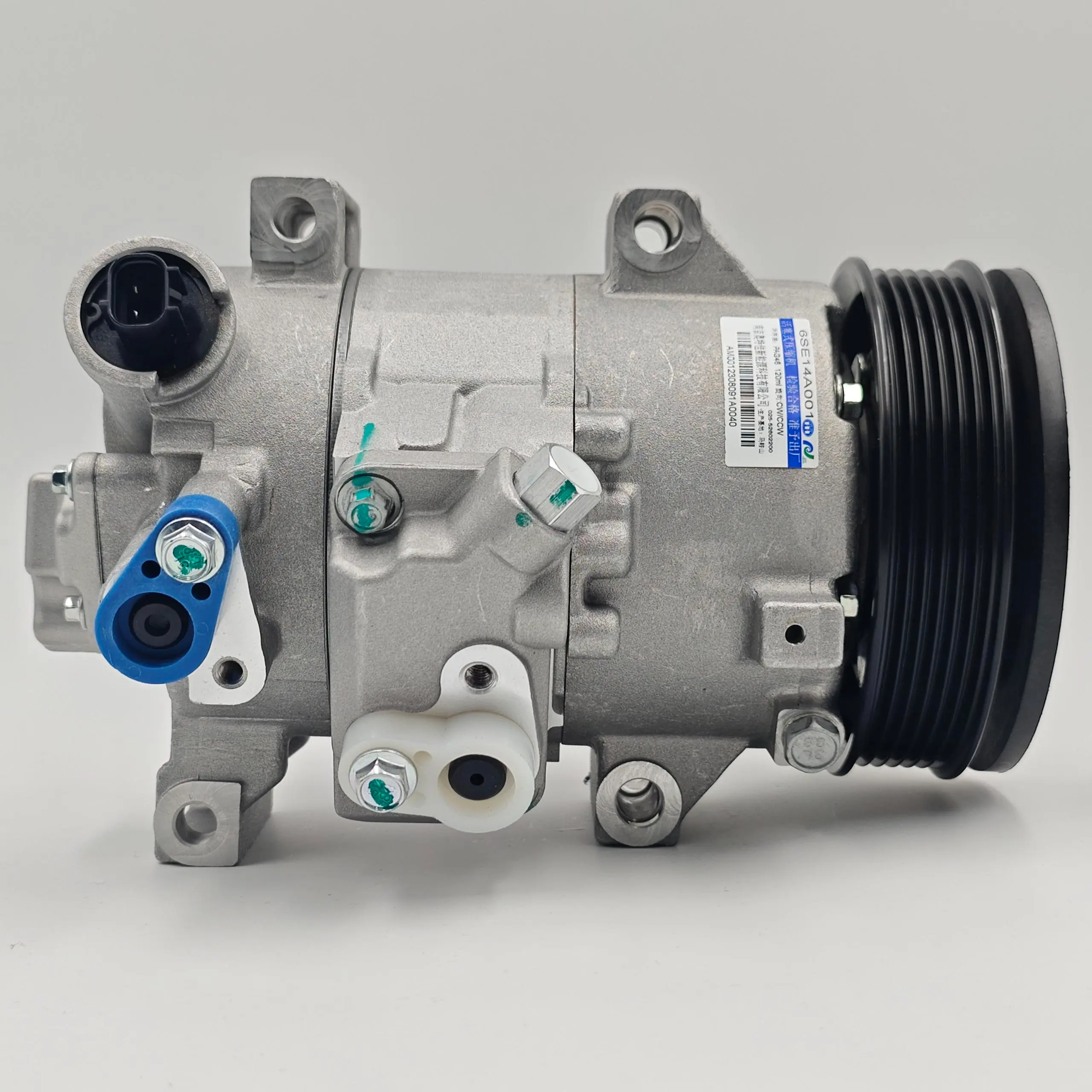
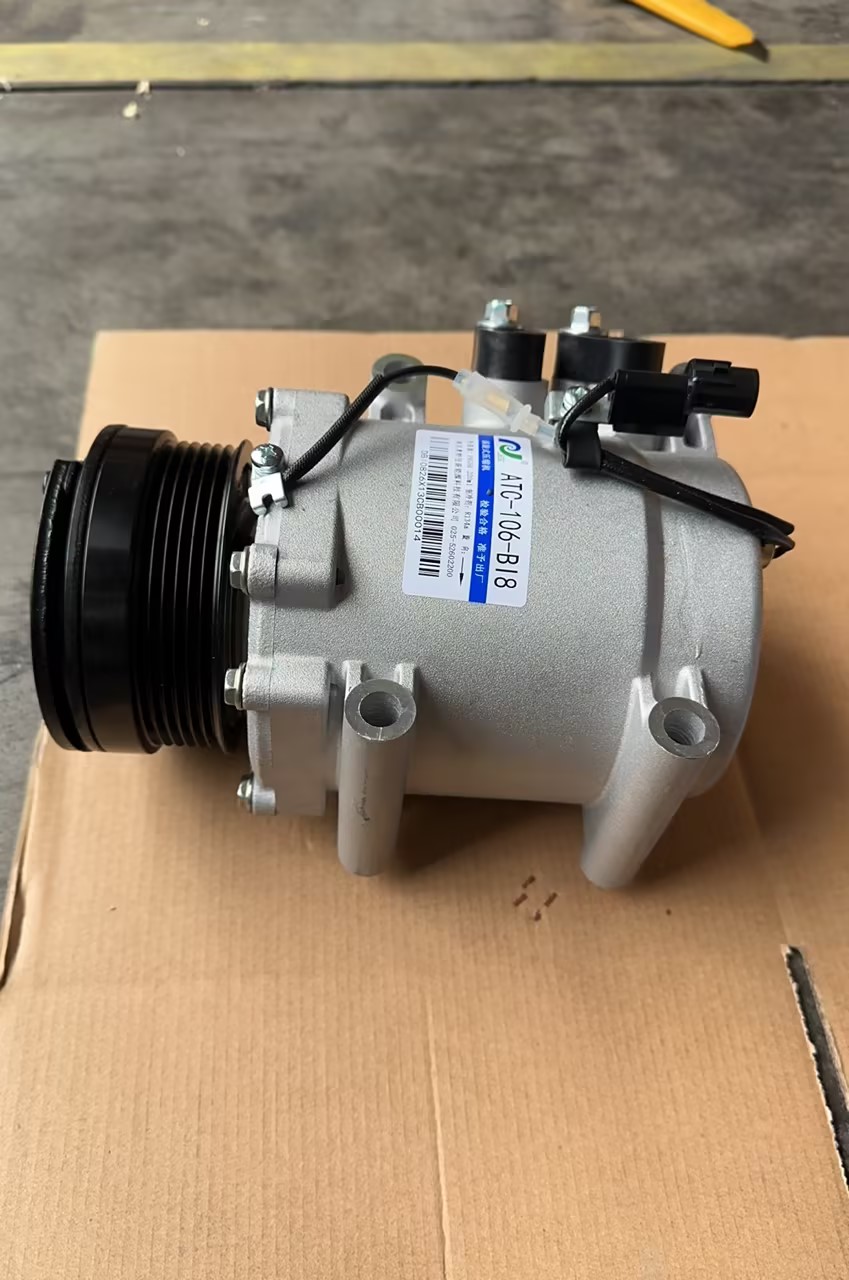
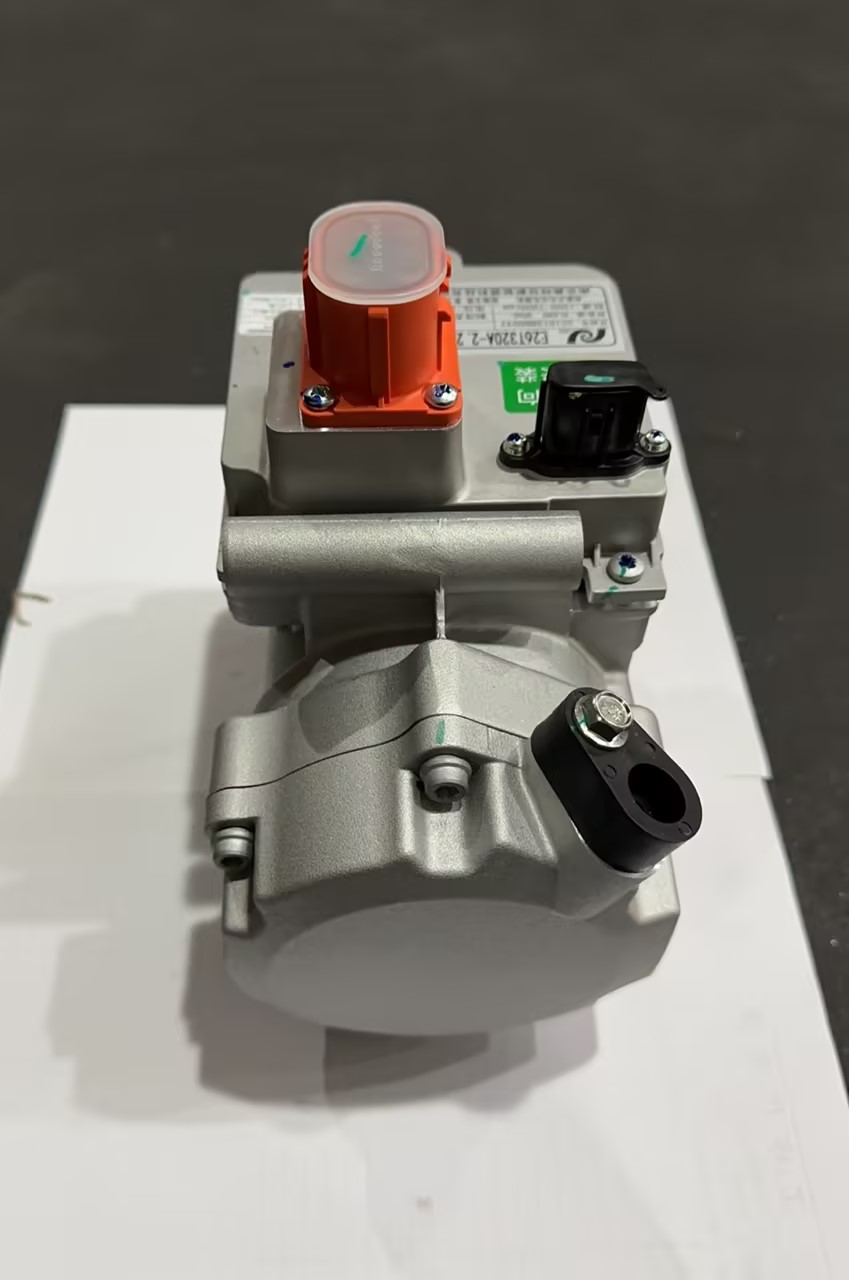
The choice between an electric and a gas compressor depends on the application environment, power availability, operating costs, and required mobility. According to the ASHRAE Handbook: HVAC Systems and Equipment and the Compressed Air Handbook, published by the Compressed Air and Gas Institute (CAGI), electric compressors are generally preferred for stationary industrial applications due to their higher energy efficiency and lower maintenance requirements. In contrast, gas compressors are more advantageous in remote locations where electrical power is limited or unavailable.
Electric compressors use an electric motor to drive the compression mechanism, offering quiet operation, precise control, and lower emissions. In contrast, a gas compressor uses an internal combustion engine or gas-powered drive system, providing greater mobility and independence for use in oil fields, construction sites, and off-grid applications.
Introduction: Electric Compressor vs Gas Compressor — Why Does the Choice Matter?
Compressors are essential machines used in a variety of industries, including manufacturing, refrigeration, energy production, construction, transportation, and many others. They increase gas pressure by reducing volume, enabling compressed air and other gases to be used for power transmission, process control, cooling and industrial operations.
One of the most important decisions when selecting a compressor system is choosing between an electric compressor and a gas compressor.
At first glance, both types perform the same fundamental task of compressing air or gas. However, their energy sources create significant differences in the following areas:
- Operating cost
- Installation requirements
- Maintenance needs
- Environmental impact
- Mobility
- Long-term reliability
For factories located in areas with a stable electricity supply, electric compressors are often the preferred solution because they provide efficient and reliable operation. In contrast, gas compressors are valuable in remote environments such as oil fields, mining operations, and construction sites, where electrical infrastructure may be unavailable.
Therefore, there is no universal answer to the question, ‘Which is better, a gas or electric compressor?’ The better option depends on the specific working conditions and operational goals.
What Is an Electric Compressor?
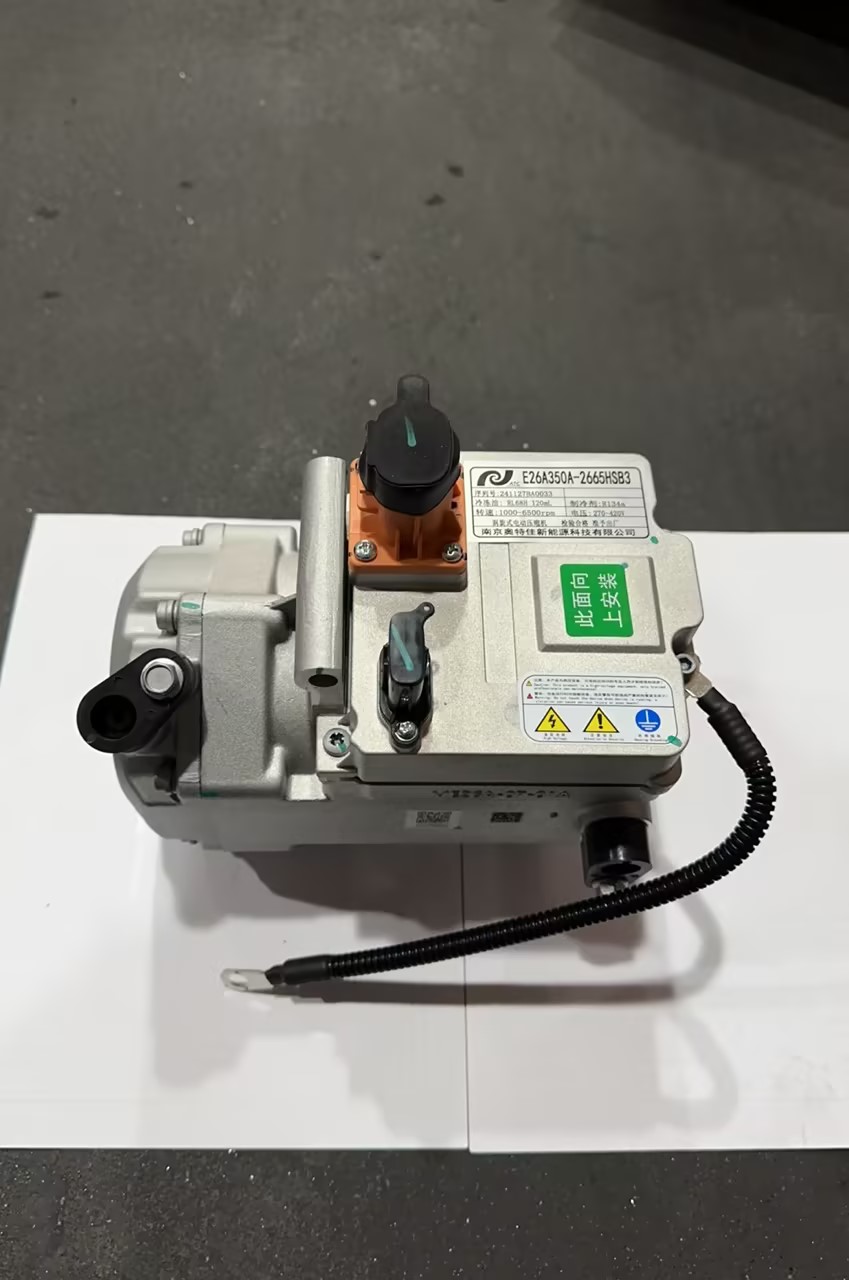
An electric compressor is a compression system that is powered by an electric motor.
The motor converts electrical energy into mechanical energy to drive components such as:
pistons, rotors, scroll mechanisms, and screws, to compress air or refrigerant gases.
Electric compressors are widely used in:
- Manufacturing plants
- HVAC systems
- Automotive factories
- Food processing facilities
- Medical equipment
- Workshop applications
Common electric compressor types include:
- Electric piston compressors
- Electric screw compressors
- Electric scroll compressors
- Electric rotary compressors
Electric compressors are popular due to their efficient operation, low noise levels and compatibility with automated industrial systems.
What Is a Gas Compressor?
A gas compressor is a compressor powered by a gas-fueled engine, usually using:
- Natural gas
- Gasoline
- Diesel fuel in engine-driven systems
The engine provides mechanical power to operate the compression mechanism.
Gas compressors are commonly used where electrical power is unavailable or unreliable.
Typical applications include:
- Oil and gas pipelines
- Remote drilling sites
- Mining operations
- Emergency power applications
- Large outdoor construction projects
Gas compressors offer independence from electrical grids, making them valuable for mobile and remote operations.
How Do Electric and Gas Compressors Work?
Although their power sources differ, both systems follow the same basic compression principle.
A compressor generally works through four stages:
- Gas intake
- Compression
- Pressure increase
- Gas discharge
The main difference is how mechanical power is generated.
| الميزة | ضاغط كهربائي | Gas Compressor |
| Power Source | Electric motor | Gas-powered engine |
| Energy Conversion | Electricity to mechanical energy | Fuel combustion to mechanical energy |
| Typical Location | Factories and buildings | Remote or outdoor sites |
| Operation Style | Continuous operation | Flexible/mobile operation |
| Control Method | Electronic control systems | Engine-based control |
Electric Compressor Advantages
-
Higher Energy Efficiency
One of the biggest advantages of electric compressors is energy efficiency.
Electric motors convert energy into mechanical power more efficiently compared with combustion engines because they avoid energy losses caused by:
- Exhaust heat
- Combustion processes
- Engine friction
For industrial facilities operating compressors for many hours per day, energy efficiency directly affects operating costs.
Manufacturing plants often choose electric compressors because even small efficiency improvements can create significant savings over long operating periods.
-
Lower Maintenance Requirements
Electric compressors usually require less maintenance because they have fewer mechanical components associated with combustion systems.
Gas compressors require regular maintenance for:
- Engine oil changes
- Fuel systems
- Ignition components
- Exhaust systems
Electric systems generally focus maintenance on:
- Motor inspection
- Lubrication systems
- Filters
- Compressor components
This can reduce downtime and maintenance expenses.
-
Cleaner Operation
Electric compressors produce no direct exhaust emissions at the operating location.
This makes them suitable for:
- Indoor factories
- Laboratories
- Food processing facilities
- Medical environments
Where air quality requirements are strict, electric compressors provide significant advantages.
Gas Compressor Advantages
-
Independent Operation Without Grid Power
The biggest advantage of gas compressors is energy independence.
They can operate in areas where:
- Electricity is unavailable
- Power supply is unstable
- Temporary operation is required
Examples include:
- Remote oil extraction sites
- Construction locations
- Emergency operations
-
Better Mobility
Many gas compressors are designed for outdoor operation and transportation.
They can be installed on:
- Trucks
- Trailers
- Mobile platforms
This makes them suitable for industries requiring portable compression solutions.
-
Suitable for Large-Scale Gas Applications
In certain industries, gas compressors are integrated directly into gas processing systems.
Examples include:
- Natural gas transmission
- Pipeline boosting
- Gas storage facilities
In these applications, gas-driven systems may provide practical advantages.
Electric Compressor vs Gas Compressor: Detailed Comparison
Choosing between an electric compressor and a gas compressor requires evaluating more than the initial purchase price. The total performance depends on energy source availability, operating hours, environmental conditions, maintenance requirements, and application requirements.
For example, a manufacturing facility operating 24 hours per day will usually benefit from the efficiency and reliability of an electric compressor. However, a pipeline construction project located far from electrical infrastructure may achieve better productivity with a gas compressor.
The following comparison highlights the major differences between the two technologies.
| Comparison Factor | ضاغط كهربائي | Gas Compressor |
| Energy Source | Electricity | Natural gas, gasoline, or fuel-powered engine |
| Energy Efficiency | Generally higher efficiency | Lower due to combustion energy losses |
| Operating Cost | Usually lower in areas with affordable electricity | Depends on fuel price and availability |
| Installation | Requires electrical infrastructure | Can operate independently |
| Noise Level | Lower operating noise | Higher engine noise |
| Emissions | No direct onsite emissions | Produces combustion emissions |
| Maintenance | Lower maintenance requirements | Higher engine maintenance requirements |
| Mobility | Usually stationary | Suitable for mobile applications |
| Best Environment | Industrial plants, buildings, workshops | Remote sites, outdoor operations |
Operating Cost Comparison Between Electric and Gas Compressors
When evaluating compressor investment, operating cost is often more important than initial equipment price.
The main cost factors include:
- Energy consumption
- Maintenance expenses
- Downtime
- Replacement parts
- Service requirements
-
Electric Compressor Operating Costs
Electric compressors typically provide lower long-term operating costs because electric motors are highly efficient and require less maintenance.
Advantages include:
- Lower energy loss
- Predictable electricity consumption
- Reduced service frequency
- Longer motor lifespan
For facilities with stable electrical supply, the energy savings can become significant over years of continuous operation.
Industrial applications such as:
- Automotive manufacturing
- Electronics production
- Food processing
- Pharmaceutical production
often prioritize electric compressor systems because compressed air demand is usually continuous.
-
Gas Compressor Operating Costs
Gas compressors may have higher operating expenses due to fuel consumption and engine maintenance.
Typical maintenance requirements include:
- Engine oil replacement
- Fuel system inspection
- Spark plug or ignition maintenance
- Exhaust system checks
- Cooling system maintenance
However, these costs may be justified when electricity infrastructure is unavailable.
For remote operations, the cost of installing electrical systems may exceed the additional fuel and maintenance costs of a gas compressor.
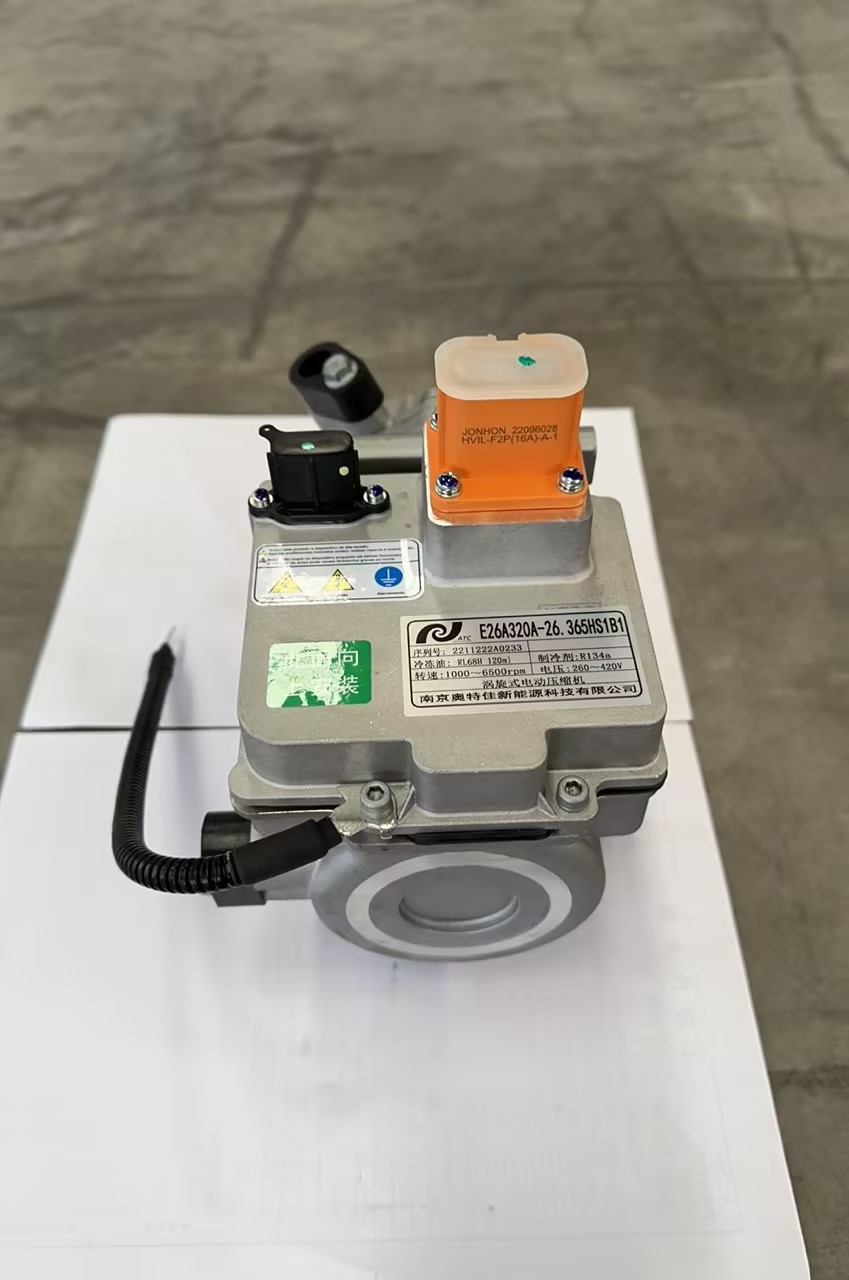
Which Compressor Is More Environmentally Friendly?
Environmental performance has become an increasingly important consideration for industrial equipment selection.
-
Electric Compressor Environmental Advantages
Electric compressors produce no direct exhaust emissions during operation.
This makes them suitable for:
- Indoor applications
- Clean production environments
- Facilities with strict emission requirements
If electricity comes from renewable energy sources, the overall carbon footprint can be further reduced.
-
Gas Compressor Environmental Considerations
Gas compressors rely on combustion engines, which produce emissions including:
- Carbon dioxide
- Nitrogen oxides
- Other combustion by-products
However, natural gas-powered compressors may still be practical in industries where direct gas utilization improves overall system efficiency.
For example, in natural gas transportation facilities, using available gas resources to power compressors may provide operational advantages.
Application Comparison: Where Is Each Compressor Better?
Different industries have different compressor requirements.
| Industry/Application | Recommended Compressor | Reason |
| Factory compressed air systems | Electric compressor | Efficient continuous operation |
| HVAC and refrigeration | Electric compressor | Reliable and quiet operation |
| Medical facilities | Electric compressor | Clean and low-noise operation |
| Oil and gas fields | Gas compressor | Suitable for remote locations |
| Pipeline projects | Gas compressor | Independent operation |
| Construction sites | Gas compressor | Portable and flexible |
| Workshops | Electric compressor | Easy installation and maintenance |
How to Choose Between an Electric Compressor and Gas Compressor?
The best compressor depends on several practical questions.
-
Is Electrical Power Available?
This is usually the first consideration.
Choose an electric compressor if:
- Reliable electricity is available
- The compressor will operate indoors
- Long-term operating efficiency is important
Choose a gas compressor if:
- The location lacks electrical infrastructure
- Operations are temporary
- Mobility is required
-
How Many Hours Will the Compressor Operate?
Operating frequency strongly affects the best choice.
For continuous operation:
- Electric compressors are usually more economical
- Maintenance intervals are longer
- Energy costs are easier to control
For occasional or remote operation:
Gas compressors may provide greater flexibility
-
What Are the Environmental Requirements?
Consider:
- Noise restrictions
- Indoor air quality
- Emission regulations
Electric compressors are generally preferred in:
- Factories
- Laboratories
- Commercial buildings
Gas compressors are more common outdoors where ventilation is not a limitation.
Maintenance Requirements Comparison
Maintenance directly affects compressor reliability and total ownership cost.
| Maintenance Item | ضاغط كهربائي | Gas Compressor |
| Motor Inspection | Required periodically | Not applicable |
| Engine Oil Change | Not required | Required regularly |
| Fuel System Maintenance | Not required | Required |
| Filter Replacement | Required | Required |
| Cooling System Service | Limited | More frequent |
| Engine Component Inspection | Not required | Required |
Electric compressors generally have simpler maintenance structures, while gas compressors require additional engine-related servicing.
Common Mistakes When Selecting a Compressor
-
Choosing Based Only on Purchase Price
A cheaper compressor may have higher lifetime costs because of:
- Higher energy consumption
- Frequent maintenance
- Lower reliability
A proper evaluation should consider total cost of ownership.
-
Ignoring Operating Environment
A compressor designed for indoor factory operation may not perform well in remote outdoor conditions.
Factors to consider include:
- Temperature range
- Dust exposure
- Available energy sources
- Required mobility
-
Selecting Incorrect Capacity
An oversized compressor wastes energy, while an undersized compressor may experience:
- Excessive loading
- Reduced lifespan
- Poor performance
The compressor capacity should match:
- Air demand
- Pressure requirements
- Duty cycle
FAQ: Electric Compressor and Gas Compressor
- Is an electric compressor better than a gas compressor?
An electric compressor is usually better for stationary industrial applications because it offers higher efficiency, lower maintenance, and quieter operation. A gas compressor may be better for remote locations where electricity is unavailable.
- What is the main advantage of a gas compressor?
The main advantage of a gas compressor is operational independence. It can work in areas without reliable electrical power, making it suitable for oil fields, construction sites, and remote industrial projects.
- Are electric compressors cheaper to operate?
In most industrial applications, yes. Electric compressors generally have lower operating costs because electric motors are efficient and require less maintenance compared with combustion engines.
- Can a gas compressor be used indoors?
Gas compressors are generally not recommended for enclosed indoor spaces because combustion engines produce exhaust emissions. Proper ventilation and safety controls are required for any indoor fuel-powered equipment.
- Which compressor lasts longer, electric or gas?
Service life depends on design, maintenance, and operating conditions. However, electric compressors often have longer service intervals because they contain fewer engine-related components.
- How do I choose the right compressor for my application?
Consider:
- Available power source
- Operating location
- Required pressure
- Air volume demand
- Operating hours
- Maintenance capability
Industrial facilities typically prefer electric compressors, while remote operations often select gas compressors.
Conclusion: What Is Better, a Gas or Electric Compressor?
There is no single type of compressor that is universally superior. The right choice depends on how and where the equipment will be used.
For most factories, workshops and commercial facilities, an electric compressor is usually preferable because it offers efficient performance, lower maintenance requirements, quieter operation and better long-term cost-effectiveness.
However, for remote locations, temporary projects and industries without reliable electrical infrastructure, a gas compressor remains a practical solution as it provides independent power and mobility.
The most effective approach to selecting a compressor is to evaluate the entire operating environment, rather than focusing solely on the price of the equipment. By considering factors such as energy availability, workload, maintenance requirements and application conditions, users can select the compressor technology that will deliver the greatest reliability and lowest total cost over its service life.